
What Are Cellular Frequency Bands and Why Do They Matter?

What are cellular frequency bands, and how do they affect your mobile signal? This guide explains low, mid, and high-band spectrum, showing how each impacts coverage, speed, building penetration, and network reliability. Learn why frequency bands shape your 4G and 5G experience and what they mean for your device and carrier performance.
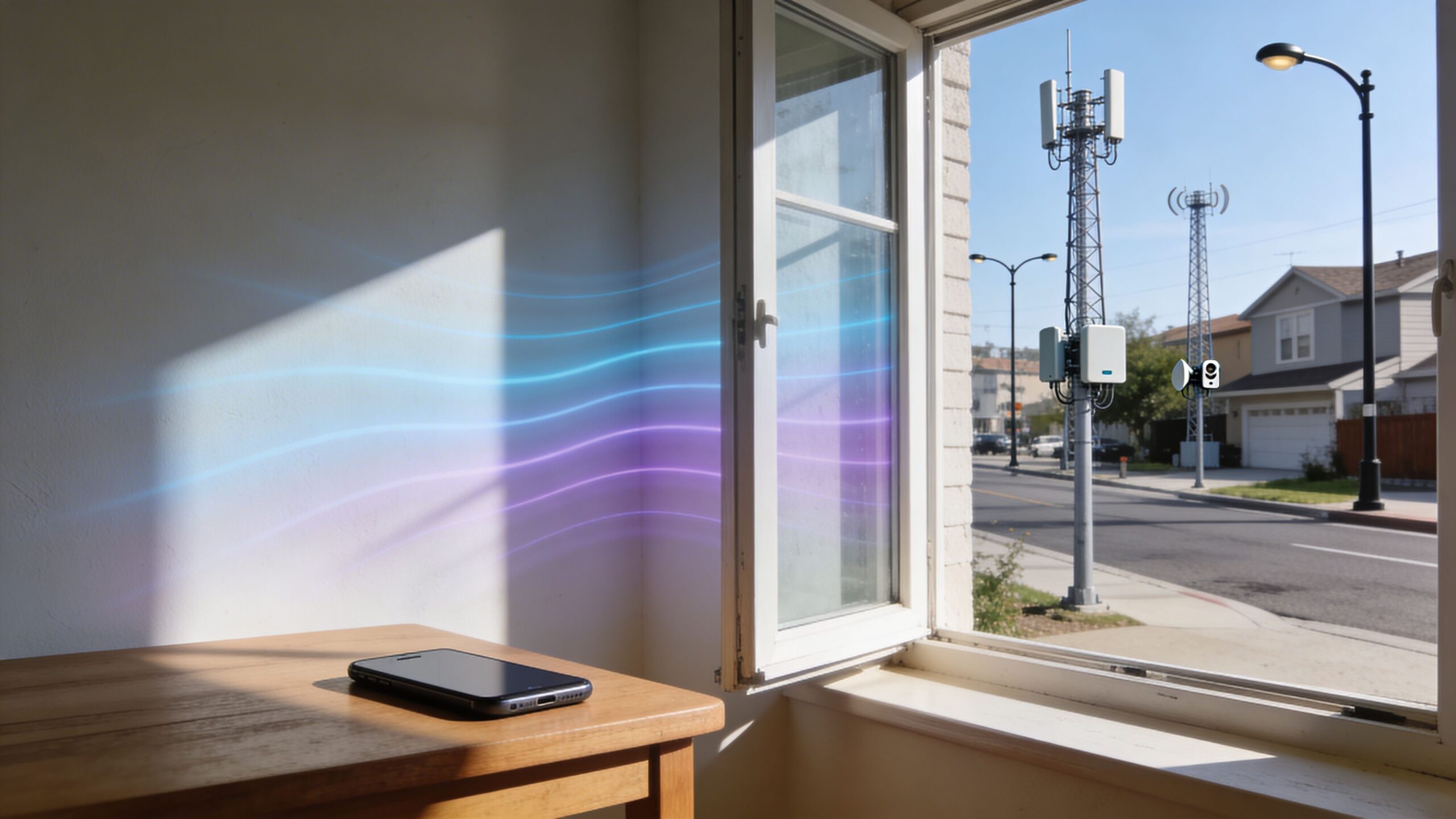

How Frequency Bands Impact Your Mobile Signal Strength

Why does your mobile signal drop indoors or vary between cities and rural areas? The answer lies in frequency bands. This guide explains how low, mid, and high spectrum ranges affect signal strength, building penetration, network congestion, and overall performance—helping you understand what really powers your mobile connection.

mmWave vs Sub-6 GHz: Which 5G Band Is Better?

Is mmWave really faster than Sub-6 GHz, and does that mean it’s better? This guide breaks down the key differences between 5G bands, including speed, coverage, latency, infrastructure, and real-world performance. Discover how each spectrum powers modern networks and which 5G band makes the most sense for your location, devices, and everyday connectivity needs.

Low-Band 5G vs Mid-Band 5G: Speed, Range, and Coverage Compared

Is low-band 5G slower than mid-band 5G? The difference goes beyond speed. From wide-area rural coverage to high-performance urban networks, each spectrum band plays a distinct role. This guide compares low-band 5G and mid-band 5G across speed, range, indoor performance, and coverage strategy so you can understand what truly powers your 5G connection.

What Is 5G Spectrum? A Complete Guide to Frequency Bands

How does 5G deliver faster speeds and wider coverage? The answer lies in spectrum. From low-band’s long-range stability to mid-band’s balanced performance and high-band’s ultra-fast capacity, each frequency layer plays a critical role. This complete guide explains what 5G spectrum is, how frequency bands work, and why they are the foundation of modern wireless networks.

Frequency Bands Explained: Low-Band vs Mid-Band vs High-Band

What makes some wireless networks faster while others reach farther? The answer lies in frequency bands. From low-band’s wide coverage to mid-band’s balanced performance and high-band’s ultra-fast speeds, each layer of spectrum plays a critical role in modern connectivity. This guide breaks down how low-band, mid-band, and high-band frequencies shape 5G networks, performance, and the future of wireless technology.