Every time you make a call, stream a video, or refresh a social feed, your smartphone reaches into the air and connects to an invisible highway of radio waves. Most people blame their carrier when signal bars drop, but the real story often lies deeper—in the frequency bands powering your connection. Understanding how frequency bands impact your mobile signal strength unlocks a clearer view of why coverage differs between cities and rural highways, why basements kill reception, and why some 5G connections feel dramatically faster than others. Mobile networks operate on specific slices of the electromagnetic spectrum. These slices, known as frequency bands, determine how far signals travel, how well they penetrate obstacles, how much data they can carry, and how stable your connection remains. Signal strength is not just about tower proximity. It is about physics, infrastructure, interference, and network design working together. To truly understand your mobile experience, you must understand frequency. Once you do, those fluctuating signal bars start to make sense.
A: Walls and coated windows attenuate higher frequencies; low-band travels through better, and Wi-Fi calling can fix indoor dead zones.
A: Not always—signal quality (SINR/RSRQ) can matter more than raw strength for speed and call clarity.
A: Congestion, shared spectrum, poor backhaul, or weak quality can make “5G” feel slower even if the icon is on.
A: Mid-band is usually the sweet spot—good range with much better capacity than low-band.
A: It’s chasing the best combination of strength, quality, and capacity as you move and the network load changes.
A: Enable Wi-Fi calling, update carrier settings, try different placements at home, and consider a carrier-approved femtocell if available.
A: Often yes—newer modems and antenna tuning can improve sensitivity and band aggregation, but it varies by model.
A: Too many devices share limited spectrum; networks use mid-band and sometimes small cells to add capacity in dense areas.
A: It’s not a “strength” band—mmWave is about short-range capacity. For reliability, low- and mid-band matter more.
A: Compare performance in multiple spots (window/outside/another neighborhood) and look at quality metrics—if outside fixes it, penetration is the culprit.
Low, Mid, and High: The Spectrum That Powers Your Phone
Mobile carriers divide their networks into three primary spectrum categories: low-band, mid-band, and high-band frequencies. Each plays a distinct role in determining mobile signal strength and overall performance.
Low-band frequencies typically operate below 1 GHz. These signals travel long distances and penetrate buildings effectively. That is why low-band spectrum is often used to provide rural coverage and maintain indoor connectivity. When you have signal deep inside a large building or while driving across open countryside, low-band frequencies are usually at work.
Mid-band frequencies, commonly between 1 GHz and 6 GHz, strike a balance between coverage and capacity. They do not travel as far as low-band frequencies, but they can carry more data. Mid-band spectrum has become essential for modern 4G LTE and 5G networks because it offers improved speed without sacrificing too much range.
High-band frequencies, often referred to as millimeter wave or mmWave, operate above 24 GHz. These bands deliver extraordinary data speeds but struggle to travel long distances or penetrate walls. They are powerful in dense urban environments but limited in coverage.
Each band impacts your mobile signal strength differently. The lower the frequency, the stronger and farther the signal travels. The higher the frequency, the faster the potential speed—but the shorter the range.
Why Lower Frequencies Travel Farther
The reason low frequencies provide stronger coverage lies in basic wave physics. Radio waves with longer wavelengths experience less signal loss over distance. They also bend and diffract more effectively around obstacles such as hills, buildings, and trees.
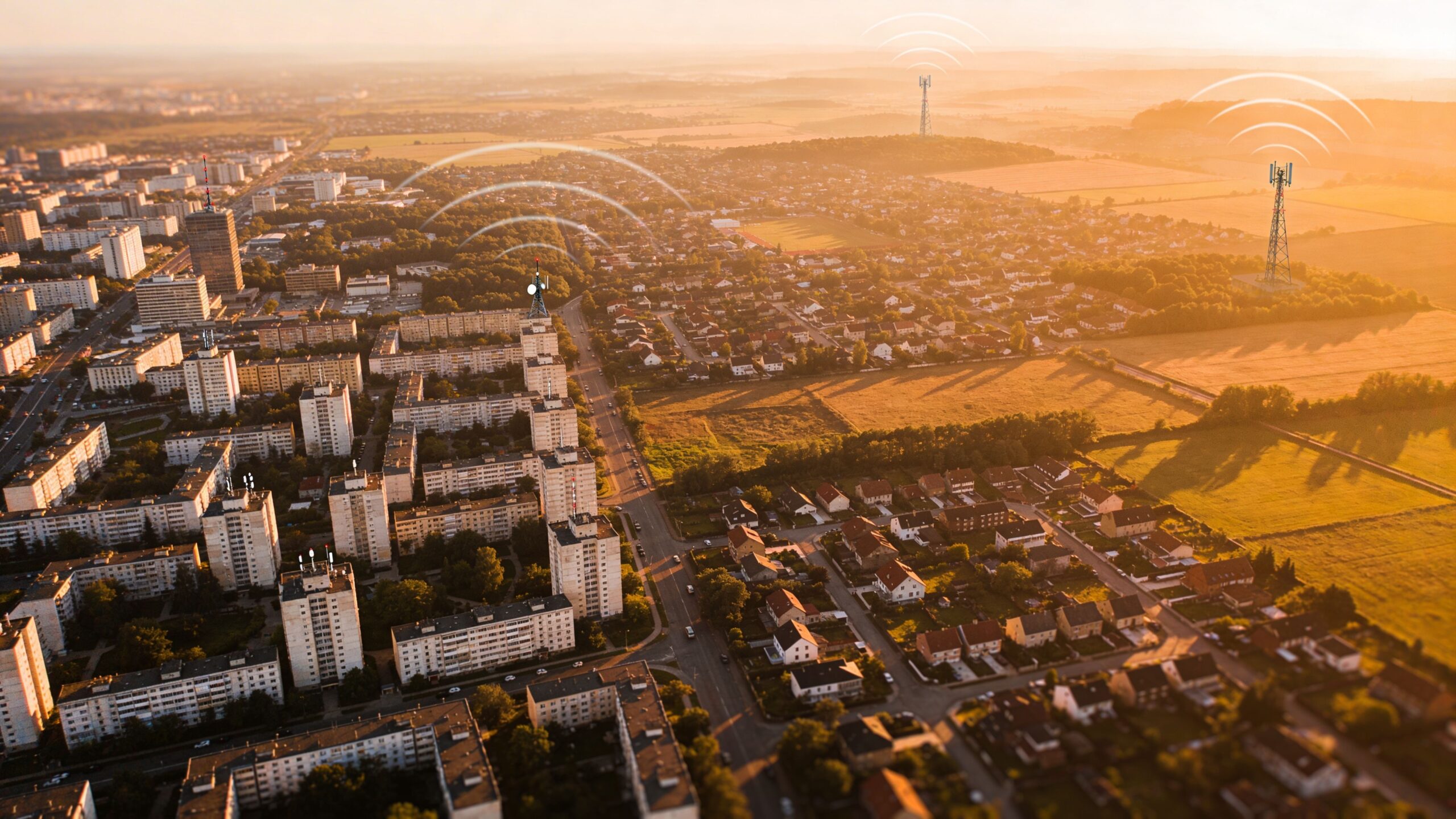
This phenomenon allows low-band signals to maintain strength across larger geographic areas. A single cell tower operating on low frequencies can cover many miles. That efficiency reduces the number of towers required in rural regions, making it economically viable to extend coverage across highways, farmland, and small towns.
In contrast, higher frequencies have shorter wavelengths. These waves struggle to bend around obstacles and lose energy more quickly. Even though they can carry more data, they require a denser network of towers placed closer together.
When your phone shows strong signal bars in a rural location, low-frequency spectrum is likely providing that stability. When signal drops in a basement, it is often because higher frequencies cannot penetrate concrete effectively.
Building Penetration and Indoor Performance
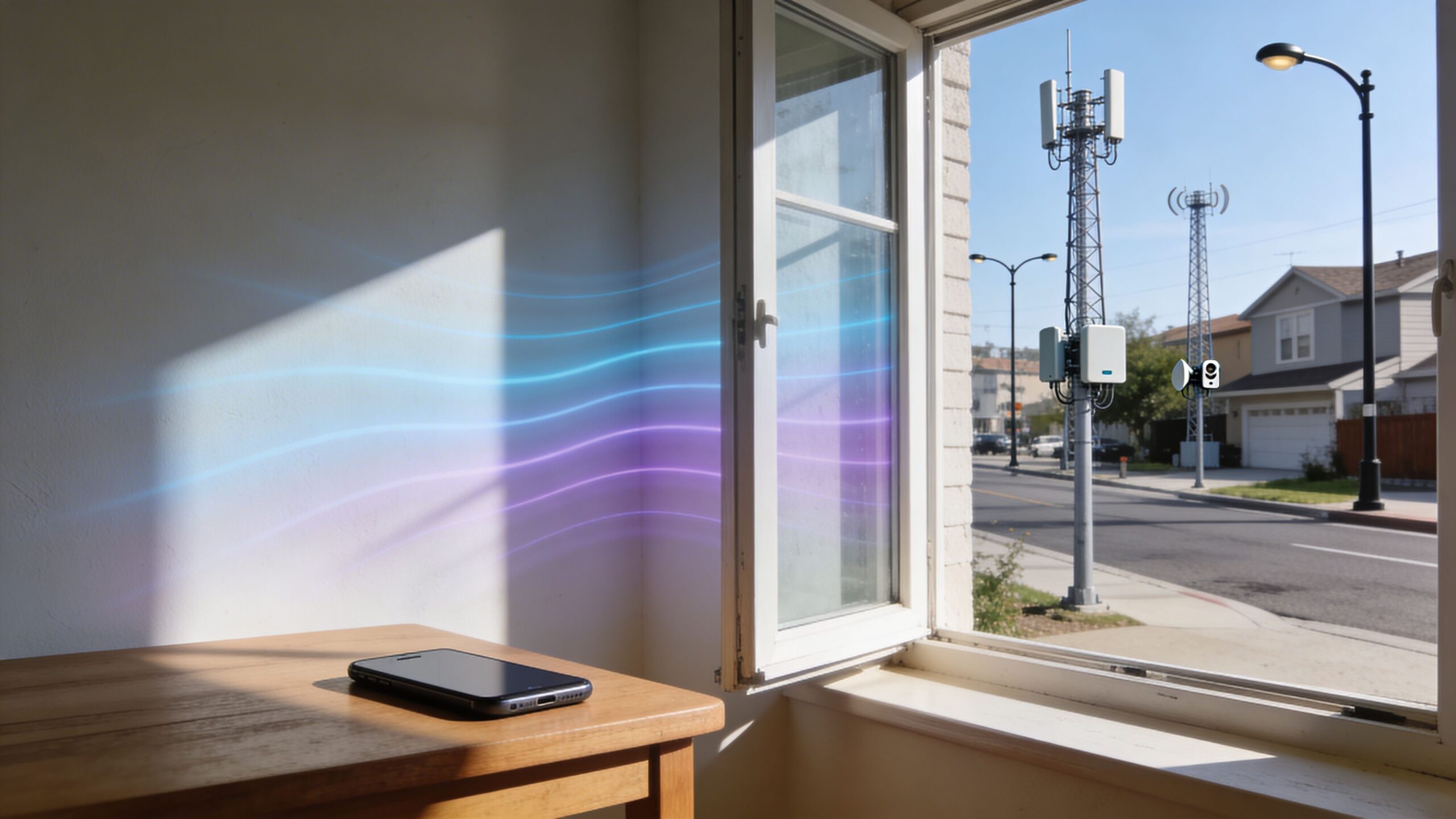
One of the most noticeable ways frequency bands impact mobile signal strength is through building penetration. Walls, glass, metal, and insulation materials all interact differently with various frequencies.
Low-band signals penetrate most building materials relatively well. This makes them ideal for indoor coverage in homes, offices, and shopping centers. Even thick walls have limited impact compared to how they affect higher frequencies.
Mid-band signals offer moderate indoor performance. In many cases, they work well inside buildings but may weaken in large structures or areas with dense materials like reinforced concrete.
High-band signals struggle significantly indoors. mmWave frequencies, for example, can be blocked by walls, tinted glass, and even foliage. That is why high-band 5G often requires indoor small cells or repeaters to function reliably inside buildings.
If you notice your signal dropping when you enter certain structures, it may not be your device at fault. It may be the frequency band serving your connection.
Capacity and Congestion: When More Data Means Less Coverage
While lower frequencies offer stronger signal reach, they have limited bandwidth. This means fewer data channels are available within that portion of the spectrum. In crowded environments, such as concerts or sporting events, low-band frequencies can become congested.
Higher frequencies provide more available bandwidth, allowing networks to handle more simultaneous users and larger data loads. That is why carriers deploy mid-band and high-band spectrum in dense urban areas. The additional capacity supports streaming, gaming, and high-definition video calls without overwhelming the network.
However, increased capacity does not automatically mean stronger signal strength. In fact, high-frequency networks often require you to be physically closer to the transmitter for optimal performance.
This tradeoff between capacity and coverage explains why your phone may show full signal bars but still experience slow speeds during peak usage times. The signal may be strong, but the available bandwidth may be limited.
Tower Density and Infrastructure Strategy
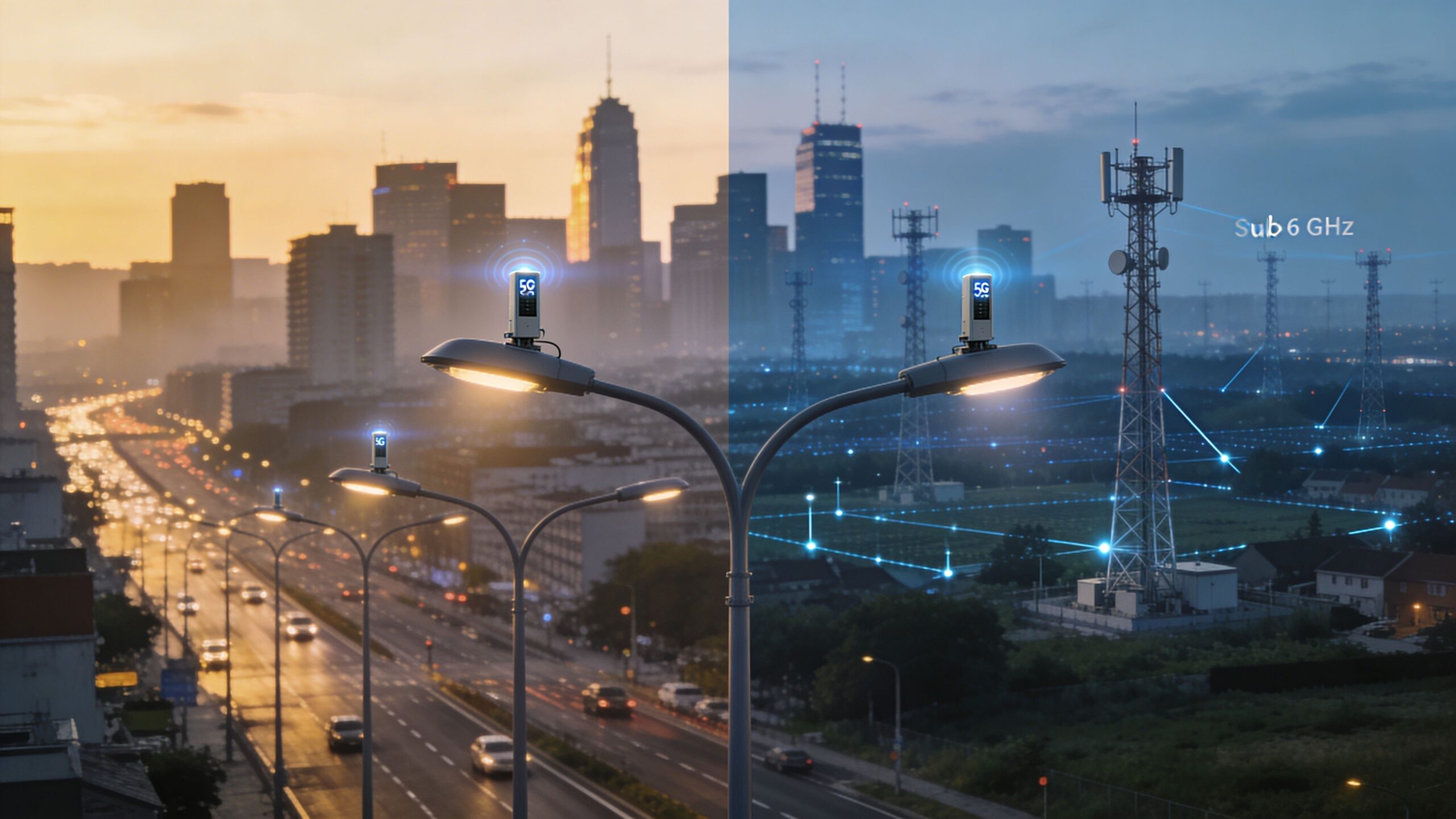
Frequency bands also determine how carriers design their infrastructure. Low-band networks require fewer towers because signals travel farther. High-band networks require many more transmission points because signals fade quickly.
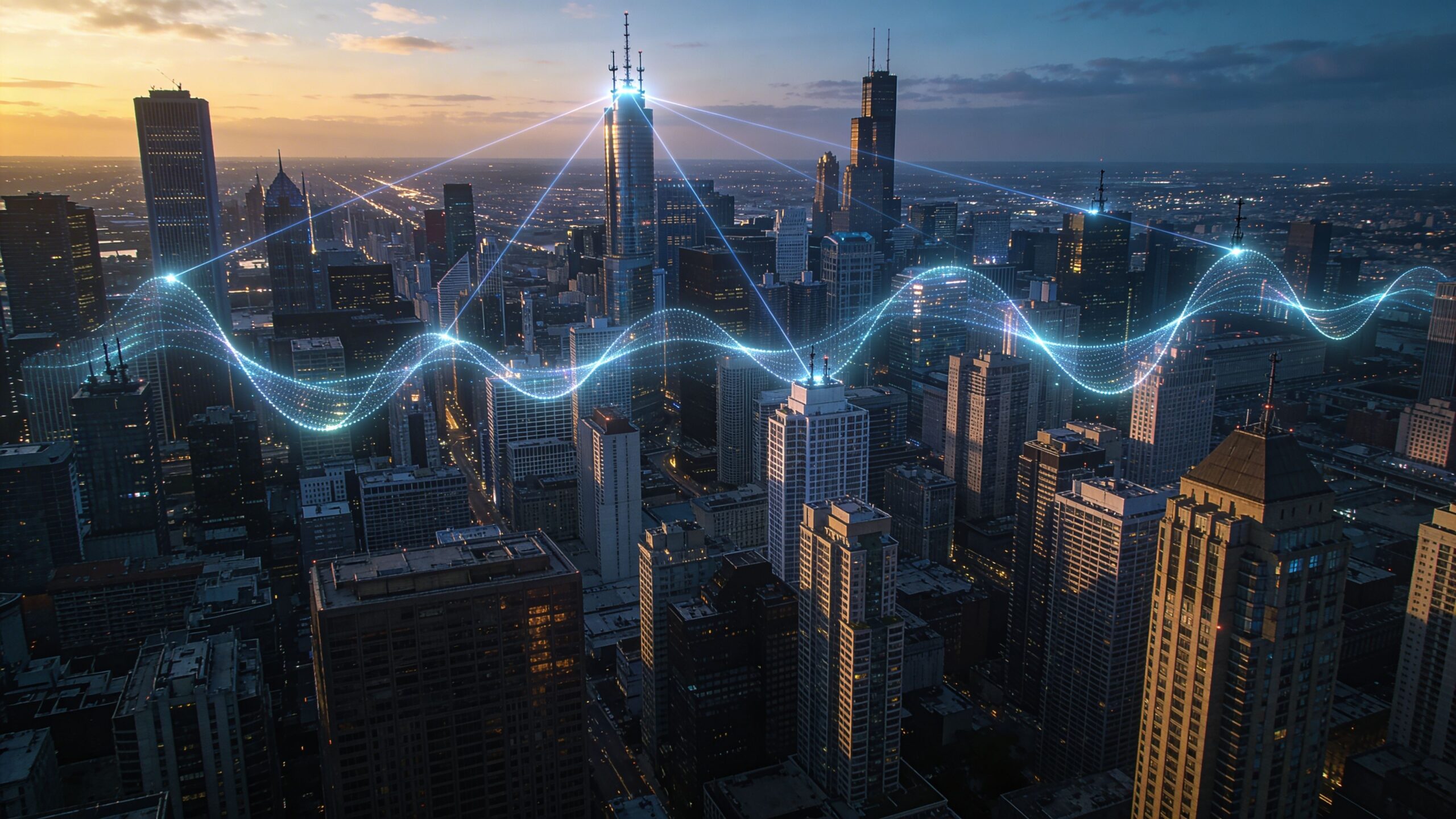
In urban environments, carriers install small cells on light poles, rooftops, and building sides to support high-frequency spectrum. These compact transmitters create dense coverage zones that boost capacity in crowded areas.
In suburban and rural regions, larger macro towers operating on low- and mid-band frequencies provide broader coverage with fewer installations. This layered approach ensures a mix of coverage and performance.
Your mobile signal strength is therefore not just about distance from a single tower. It reflects the network architecture in your area and which frequency bands dominate that architecture.
As 5G networks expand, carriers continue to layer multiple frequency bands together. Your device dynamically switches between them depending on availability, signal quality, and network demand.
Device Design and Antenna Technology
Your smartphone plays a critical role in how frequency bands impact your signal strength. Modern devices include multiple antennas designed to handle various spectrum ranges. They use advanced techniques such as beamforming and carrier aggregation to improve performance.
Beamforming allows devices and towers to direct signals more precisely, improving reliability at higher frequencies. Carrier aggregation enables phones to combine multiple bands simultaneously, boosting both speed and signal stability.
However, not all devices support every frequency band. Older smartphones may lack compatibility with certain mid-band or high-band 5G spectrum. This limitation can affect signal strength and speed, even if the network supports advanced frequencies.
Device placement also matters. Holding your phone in certain ways can block antenna paths, especially at higher frequencies. This subtle interaction can influence signal quality during calls or data sessions.
Understanding that your device hardware interacts directly with frequency bands helps explain why two people on the same carrier may experience different signal performance.
Environmental Factors and Signal Interference
Beyond infrastructure and device design, environmental conditions influence how frequency bands perform. Weather, terrain, and interference from other radio sources can all affect signal strength.
Low frequencies are generally more resilient to environmental interference. They are less affected by rain, foliage, and minor obstacles. This stability makes them reliable for consistent voice and data coverage.
Higher frequencies are more sensitive. Heavy rain, dense foliage, and even human bodies can attenuate high-band signals. In extreme cases, weather events can temporarily reduce signal reliability in high-frequency networks.
Urban environments introduce additional challenges. Buildings reflect and scatter radio waves, creating multipath interference. While modern signal processing mitigates these effects, they still impact overall performance.
When your signal fluctuates during storms or inside dense city centers, environmental interaction with frequency bands may be the cause.
The Future of Spectrum and Smarter Connectivity
As mobile technology evolves toward advanced 5G and future 6G systems, frequency band strategy will become even more sophisticated. Researchers are exploring new spectrum ranges, including terahertz frequencies, to support ultra-high data rates and next-generation applications. Future networks will rely heavily on dynamic spectrum sharing and intelligent allocation. Artificial intelligence systems may analyze real-time usage patterns and automatically shift traffic across bands to optimize signal strength and capacity. The goal is seamless connectivity. Users should not need to think about frequency bands. Devices and networks will handle transitions invisibly, ensuring stable performance whether indoors, outdoors, rural, or urban. However, the physics of radio waves will always matter. Lower frequencies will continue to provide foundational coverage. Mid-band spectrum will balance speed and reach. High-band frequencies will push the limits of performance in targeted zones. Understanding how frequency bands impact your mobile signal strength prepares you for this future. It empowers you to interpret network claims, evaluate device compatibility, and appreciate the engineering complexity behind every call and download. In the end, signal strength is not just about bars on a screen. It is about spectrum strategy, infrastructure investment, device innovation, and environmental physics working together. The invisible architecture of frequency bands shapes your mobile experience every second of the day. When you understand that architecture, your connection becomes more than just a service. It becomes a glimpse into the science powering modern communication.