The world talks about 5G as if it is a single technology switch that suddenly makes everything faster. In reality, 5G is powered by something far more fundamental: spectrum. The true engine behind 5G performance is the carefully allocated range of radio frequencies known as 5G spectrum. These frequencies determine how far signals travel, how much data they can carry, and how reliable connections feel in real-world environments. Whether you are streaming ultra-high-definition video, running a smart factory, building autonomous vehicle systems, or simply checking social media on your phone, 5G spectrum is doing the heavy lifting. It is the invisible infrastructure shaping our digital economy. Understanding 5G spectrum means understanding why speeds vary by location, why some areas get stronger coverage than others, and why certain networks feel dramatically faster than previous generations.
A: It can be. 5G uses some refarmed 4G bands plus new mid/high allocations; the mix varies by carrier and country.
A: Usually mid-band, because it adds capacity and speed without requiring you to be extremely close to the site.
A: High-band signals struggle with walls and obstacles, so your phone hands off to lower bands for reliability.
A: Not necessarily—congestion, backhaul, and spectrum width can matter more than raw signal strength.
A: Band support, modem generation, antenna design, and plan prioritization can all change performance.
A: It’s when the network combines multiple channels/bands so you get higher throughput and steadier connections.
A: Repurposing older spectrum (2G/3G/4G) to boost 5G coverage or capacity.
A: The cell is busier—capacity is shared, so more users can mean slower speeds even with strong signal.
A: Yes—good Wi-Fi can outperform cellular indoors, especially where building materials weaken mid/high bands.
A: Use your phone’s field test mode or a trusted network info app to view band/channel details.
What Is 5G Spectrum and Why Does It Matter?
5G spectrum refers to the range of radio frequencies allocated for fifth-generation wireless communication. Spectrum is measured in hertz, which represents cycles per second. The higher the frequency, the more cycles occur in a second. These frequencies carry data wirelessly between devices and network infrastructure.
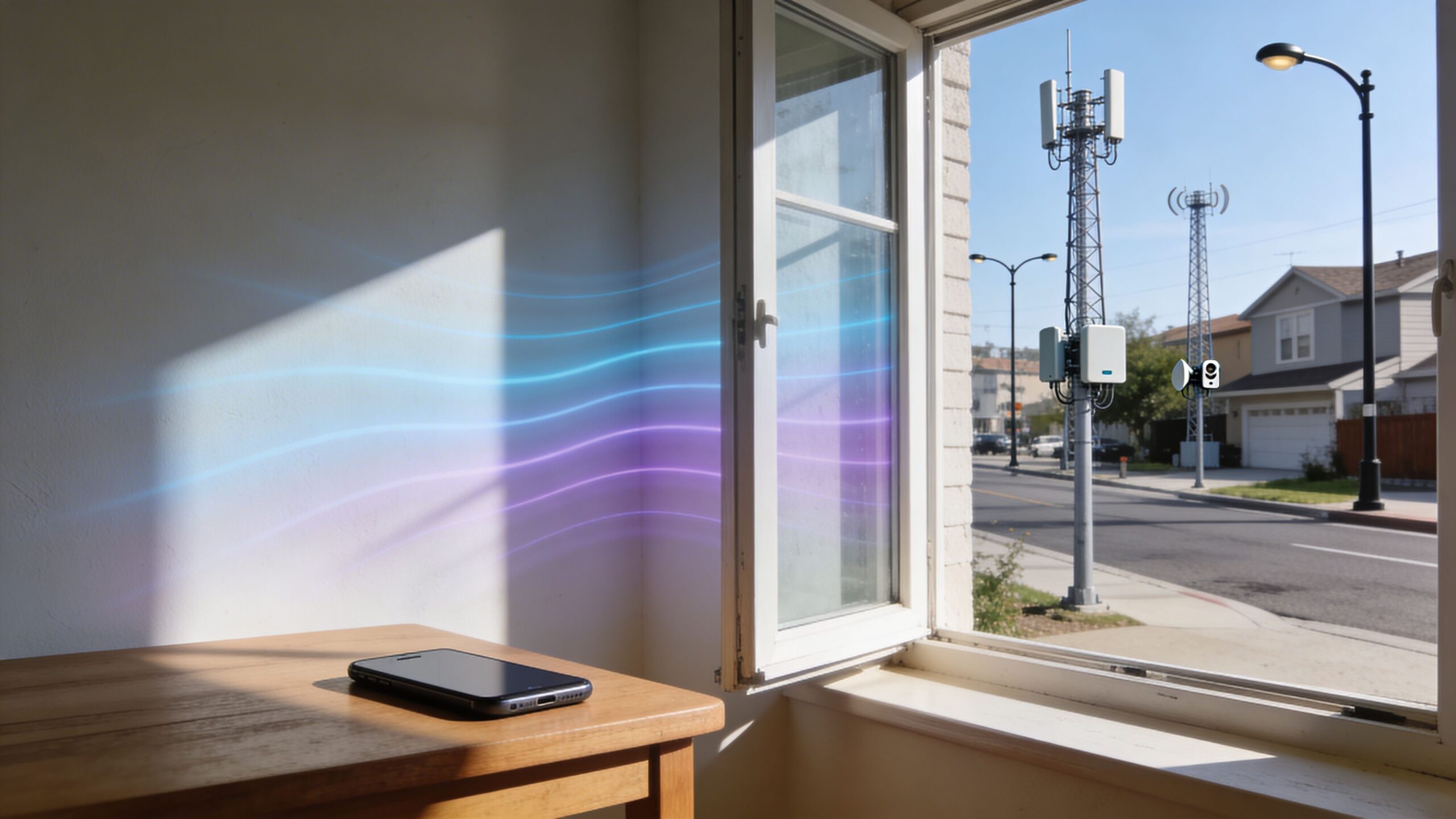
The importance of 5G spectrum lies in its physical properties. Lower frequencies have longer wavelengths, which allow them to travel farther distances and penetrate buildings more effectively. Higher frequencies have shorter wavelengths, which can carry more data at faster speeds but struggle with distance and obstacles. These physical laws shape everything about wireless performance.
Governments regulate spectrum allocation to prevent interference and ensure efficient use of airwaves. Telecommunications providers acquire licenses to operate within specific frequency ranges. These ranges are then engineered into network infrastructure, including towers, antennas, and small cells. The quality of a 5G experience is not just about the phone in your hand; it depends heavily on which spectrum bands are deployed in your area.
Spectrum matters because it defines the balance between coverage, speed, capacity, and latency. Without the right mix of frequencies, 5G would not be able to deliver the transformative capabilities it promises. Spectrum is not simply a technical detail. It is the foundation of the entire wireless ecosystem.
The Three Core Categories of 5G Frequency Bands
To understand 5G spectrum, you must first understand how it is categorized. 5G frequency bands are generally divided into three major groups: low-band, mid-band, and high-band. Each category offers distinct advantages and limitations.
Low-band spectrum typically operates below 1 GHz. Mid-band spectrum ranges roughly between 1 GHz and 6 GHz. High-band spectrum, often referred to as millimeter wave, operates above 24 GHz. These divisions are not arbitrary. They reflect fundamental differences in how radio waves behave.
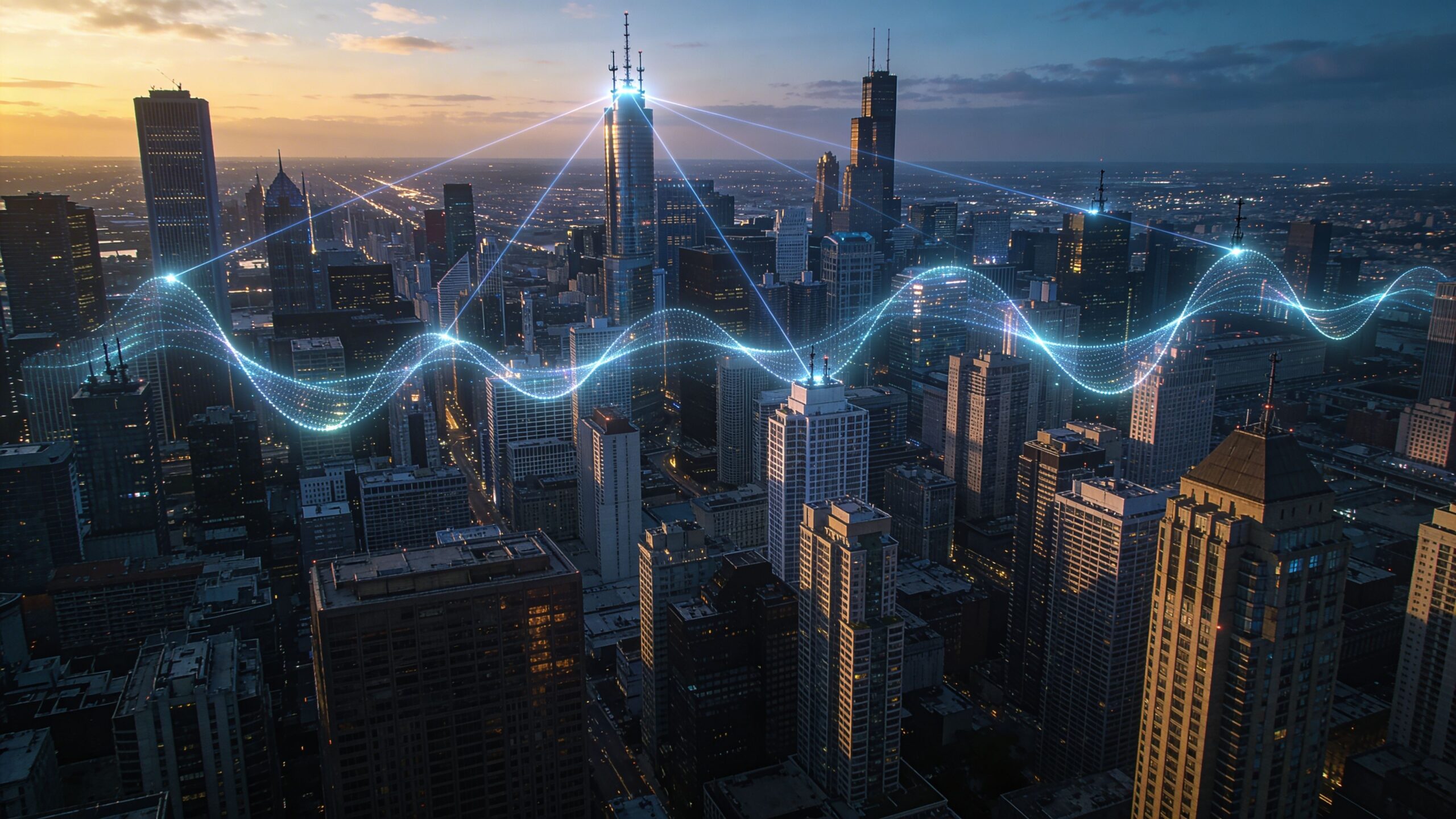
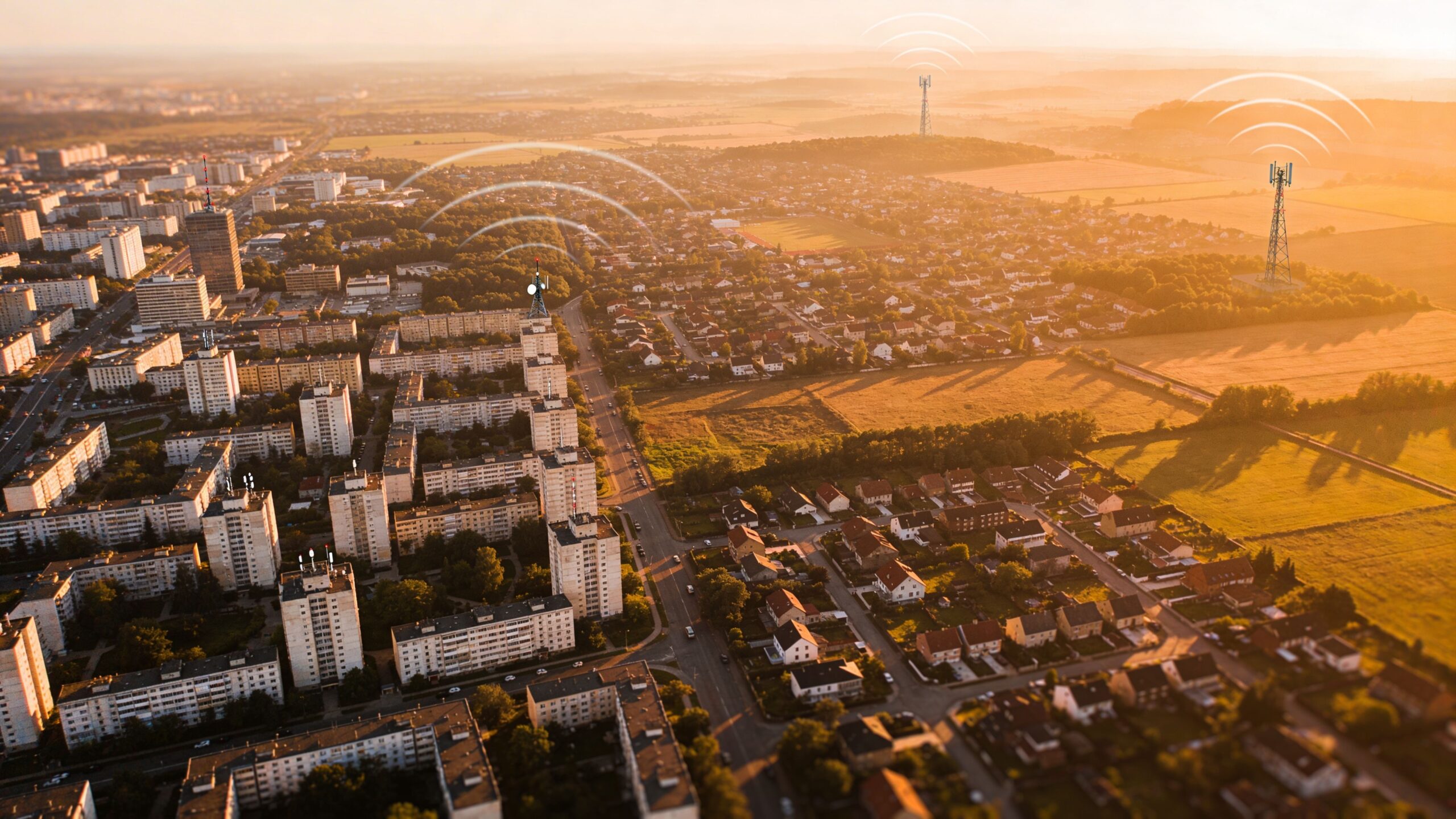
Low-band spectrum provides wide geographic coverage. Mid-band spectrum offers a balance of speed and reach. High-band spectrum delivers ultra-fast speeds and massive data capacity in dense environments. Together, these bands form a layered network architecture that enables 5G to serve both rural communities and crowded urban centers.
Instead of relying on a single frequency, 5G integrates multiple bands simultaneously. This multi-layered strategy allows networks to adapt dynamically to user demand and environmental conditions. It is the orchestration of these bands that makes 5G so powerful.
Low-Band Spectrum: The Backbone of Broad Coverage
Low-band 5G spectrum is often described as the coverage layer of the network. Operating below 1 GHz, these frequencies travel long distances and penetrate buildings effectively. This makes them ideal for rural areas, highways, and wide suburban regions where infrastructure may be more spread out.
Because low-band frequencies cover larger areas per tower, they are cost-effective for expanding nationwide 5G availability. When carriers announce broad 5G coverage maps, low-band spectrum is usually responsible for reaching vast geographic regions.
However, low-band spectrum has limitations in terms of data speed. While it can support 5G technology and deliver improvements over 4G LTE, its narrower bandwidth means it cannot match the blazing speeds of higher frequencies. In densely populated cities with heavy data demand, low-band alone would struggle to maintain performance.
Despite this, low-band remains essential. It ensures reliable connectivity indoors and across long distances. It acts as a foundation layer that keeps devices connected even when higher-frequency signals are unavailable. In the grand architecture of 5G, low-band spectrum provides stability and reach.
Mid-Band Spectrum: The Performance Sweet Spot
Mid-band 5G spectrum is often considered the most valuable portion of the spectrum for modern networks. Operating roughly between 1 GHz and 6 GHz, mid-band frequencies strike a powerful balance between coverage and capacity.
These frequencies travel shorter distances than low-band but still provide meaningful geographic reach. At the same time, they support significantly higher data speeds and wider bandwidth channels. This combination makes mid-band spectrum particularly well-suited for urban and suburban environments where both coverage and speed matter.
Mid-band 5G is often responsible for the noticeable performance leap users experience when upgrading from 4G. Faster downloads, smoother streaming, and reduced latency are typically powered by mid-band deployments. For enterprises, mid-band spectrum enables smart campuses, connected logistics hubs, and advanced automation systems.
However, mid-band infrastructure requires more investment than low-band because towers must be deployed more densely to maintain consistent performance. Even so, mid-band has become the centerpiece of many national 5G strategies. It delivers scalable performance that meets the growing appetite for mobile data.
High-Band Spectrum: Unlocking Extreme Speeds
High-band 5G spectrum, often called millimeter wave, operates at frequencies above 24 GHz. These frequencies unlock extraordinary performance levels, including multi-gigabit download speeds and ultra-low latency.
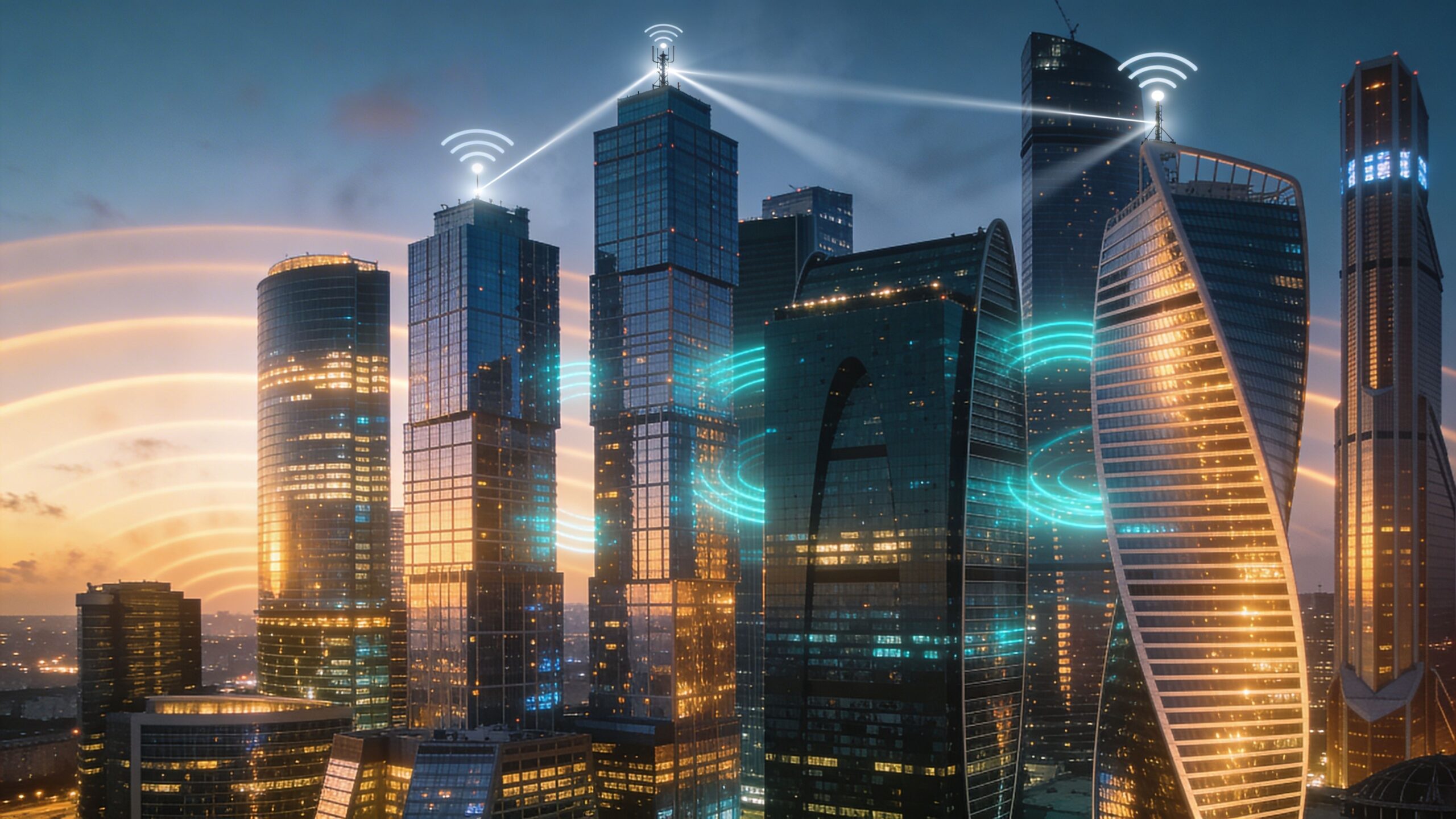
The physics of high-band spectrum allow it to carry enormous amounts of data. This makes it ideal for high-density environments such as stadiums, airports, downtown districts, and industrial campuses. In these settings, thousands of devices may be connected simultaneously, demanding real-time responsiveness.
But high-band spectrum has a critical limitation: range. These signals travel only short distances and are easily blocked by physical obstacles like walls, trees, and even heavy rain. To deploy high-band effectively, carriers must install dense networks of small cells placed close together.
Because of these constraints, high-band spectrum is typically deployed in targeted areas rather than across entire regions. Its purpose is not blanket coverage but peak performance. When you experience astonishing 5G speeds in a dense city center, high-band spectrum is likely responsible.
High-band represents the cutting edge of wireless capability. It demonstrates what is technically possible when data capacity is pushed to its limits.
How 5G Uses Multiple Spectrum Layers Together
One of the most important aspects of 5G spectrum is that it is not a single-layer system. Modern 5G networks are built using a layered approach that integrates low-band, mid-band, and high-band frequencies simultaneously.
This multi-layer strategy allows networks to dynamically allocate resources based on user demand and environmental conditions. A smartphone may rely on low-band for consistent connectivity indoors, switch to mid-band for everyday browsing and streaming, and connect to high-band when near a dense urban small cell offering extreme speeds.
Technologies such as carrier aggregation and dynamic spectrum sharing enhance this integration. They allow devices to combine signals from multiple frequency bands at once, increasing performance and reliability. Advanced antenna systems such as massive MIMO and beamforming further optimize signal delivery by directing energy precisely where it is needed.
The result is a flexible, intelligent network architecture capable of adapting in real time. This layered model is what differentiates 5G from previous generations. It transforms spectrum from a static resource into a dynamic performance engine.
The Economic and Strategic Value of 5G Spectrum
5G spectrum is not only a technical asset; it is an economic powerhouse. Governments auction spectrum licenses for billions of dollars because these frequencies represent long-term strategic value. Access to premium mid-band or high-band spectrum can determine a carrier’s competitive advantage.
For businesses, spectrum availability influences everything from network reliability to innovation potential. Industries such as manufacturing, healthcare, logistics, and entertainment are building next-generation applications on top of 5G infrastructure. The quality and configuration of spectrum directly affect whether these applications can scale effectively.
National competitiveness also plays a role. Countries investing aggressively in spectrum allocation and infrastructure development position themselves as leaders in digital transformation. Spectrum policy shapes economic growth, technological leadership, and global connectivity.
As demand for wireless services continues to surge, spectrum management becomes increasingly complex. Regulators must balance commercial use, public safety needs, defense requirements, and emerging technologies. Efficient spectrum utilization is essential for sustaining long-term network expansion.
In this context, 5G spectrum is not merely a technical topic. It is a strategic resource shaping the digital future.
The Future of 5G Spectrum and Beyond
The evolution of 5G spectrum is far from complete. Researchers and engineers are already exploring ways to unlock additional frequency ranges and improve efficiency within existing bands. Innovations in signal processing, antenna design, and network architecture will continue to expand what spectrum can achieve. Future wireless generations may push into even higher frequency territories while refining performance in low and mid bands. Spectrum sharing models could become more dynamic, allowing multiple users to coexist within the same frequencies through intelligent allocation systems. As technologies such as autonomous vehicles, remote surgery, immersive virtual environments, and massive Internet of Things deployments mature, spectrum demands will intensify. The success of these innovations depends on carefully balanced frequency strategies. Understanding 5G spectrum provides insight into how wireless networks function today and how they will evolve tomorrow. It reveals why different locations deliver different performance levels. It explains the tradeoffs between coverage and speed. Most importantly, it highlights the intricate engineering that powers our connected world. 5G spectrum is the silent architect of modern communication. From low-band stability to mid-band performance and high-band speed, each frequency layer plays a vital role. Together, they form a resilient, scalable, and powerful network foundation capable of supporting the next wave of digital transformation.