
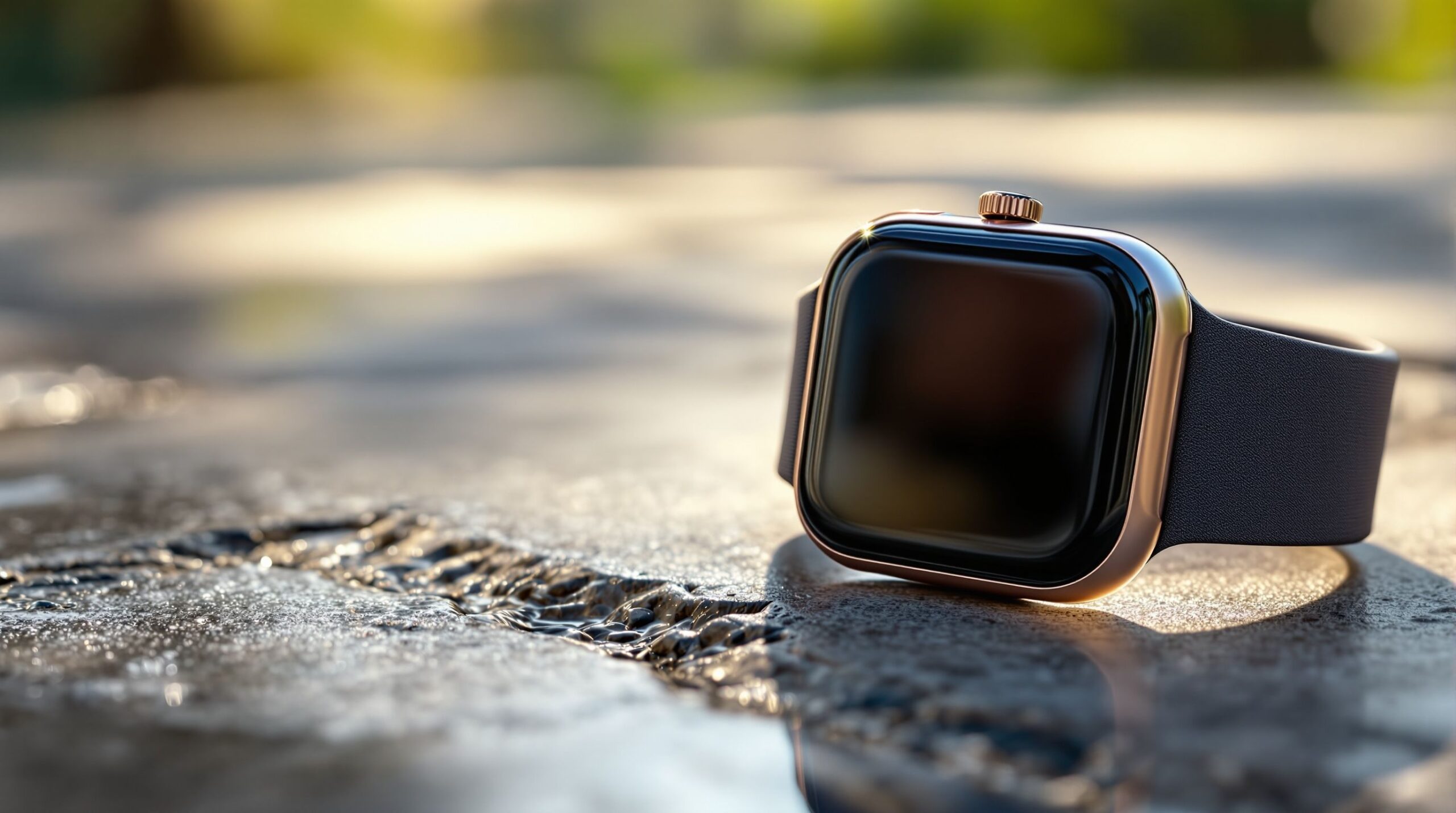
Smartwatches and wearables have transformed the way we move, track, play, and thrive—turning everyday moments into connected experiences that feel almost futuristic. On Mobile Streets, this sub-category explores the ever-expanding universe of wrist-ready tech designed to keep up with your life’s rhythm. Whether you’re captivated by health sensors that monitor your heart with precision, fitness trackers that map every step of your journey, or stylish smartwatches that blend fashion with powerful performance, this space brings all the excitement together. These devices are no longer just accessories; they’re personal companions that coach, remind, guide, and even motivate you toward your goals. From rugged adventure wearables built for the wild to sleek lifestyle models perfect for work and weekend flow, each article dives into the features shaping the next generation of connected living. Here, technology becomes more intimate, more intuitive, and more inspiring. Step into Smartwatches and Wearables, where innovation meets everyday movement and the future wraps comfortably around your wrist.
A: Not necessarily—watches add convenience, quick glances, fitness tracking, and safety tools you can’t easily replicate on a phone.
A: Step counts and heart rate are usually “good enough” for trends, but they’re not a perfect medical-grade replacement.
A: Constant Bluetooth and notifications use some extra power, but on modern phones the impact is usually modest.
A: Only if it’s rated for it—look for pool or open-water swim modes and at least 5 ATM water resistance.
A: For the best sleep and readiness data, yes—many people recharge briefly during shower or breakfast breaks.
A: They’re great if you run, walk, or work without your phone; otherwise, Bluetooth-only models are often enough.
A: You’ll usually need to unpair and repair; some ecosystems make moving between phones easier than others.
A: Review permissions, disable unnecessary sharing, use strong logins, and be selective about connected third-party apps.
A: Yes—they focus more on tracking and less on notifications, with smaller screens or no screens at all.
A: Many people upgrade every 3–5 years, or when battery life, features, or OS support no longer meet their needs.