
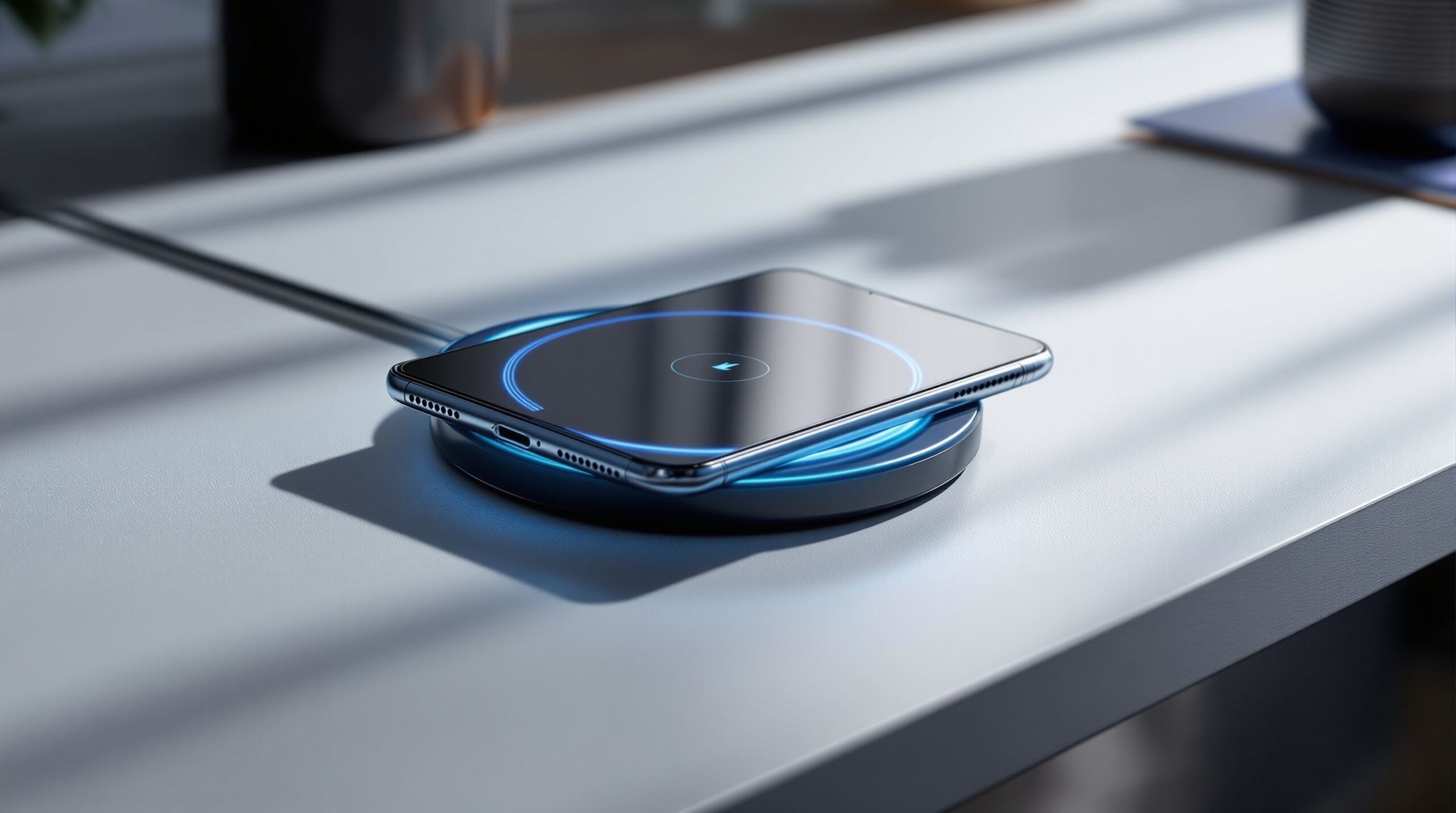
Batteries and charging tech are the silent heroes of every mobile moment, powering our day from the first morning alert to the final scroll before sleep. On Mobile Streets, this sub-category dives into the energy innovations that keep our devices alive, fast, and ready for anything. Today’s batteries are smarter and more efficient than ever, built to handle streaming marathons, photo sessions, and multitasking without missing a beat. Meanwhile, charging tech has evolved into a world of its own—from blazing-fast wired speeds to sleek magnetic chargers, wireless pads, and cutting-edge power delivery systems that feel almost futuristic. Whether you’re curious about long-lasting battery chemistry, fascinated by thermal management breakthroughs, or excited about next-gen charging like GaN, solar assist, and reverse wireless power, this space reveals the science and creativity behind every advancement. Step into Batteries and Charging Tech, where energy meets innovation and every article helps you understand the power shaping the mobile experience of tomorrow.
A: Modern systems manage heat and current carefully—fast charging may slightly increase wear but is generally safe for everyday use.
A: Most phones stop or slow charge at 100%, but keeping them full and warm for many hours can add long-term stress.
A: No—deep discharges are harder on lithium-ion; staying between ~20–80% is kinder to the battery.
A: Quality matters; reputable USB-PD or brand-approved chargers are safest and most likely to deliver top speeds.
A: All lithium-ion batteries slowly lose capacity through charge cycles, heat, and time.
A: Extra heat can add wear; good pads and proper alignment keep temperatures reasonable.
A: Avoid extreme heat, don’t leave it at 0% or 100% for long, and use slower charging when you’re not in a rush.
A: Low temperatures temporarily reduce chemical activity, lowering effective capacity until the phone warms up.
A: Yes—disabling radios in fringe coverage areas can noticeably cut idle battery drain.
A: If your phone dies quickly, shuts off unexpectedly, or shows health well below 80%, a replacement can restore life.