
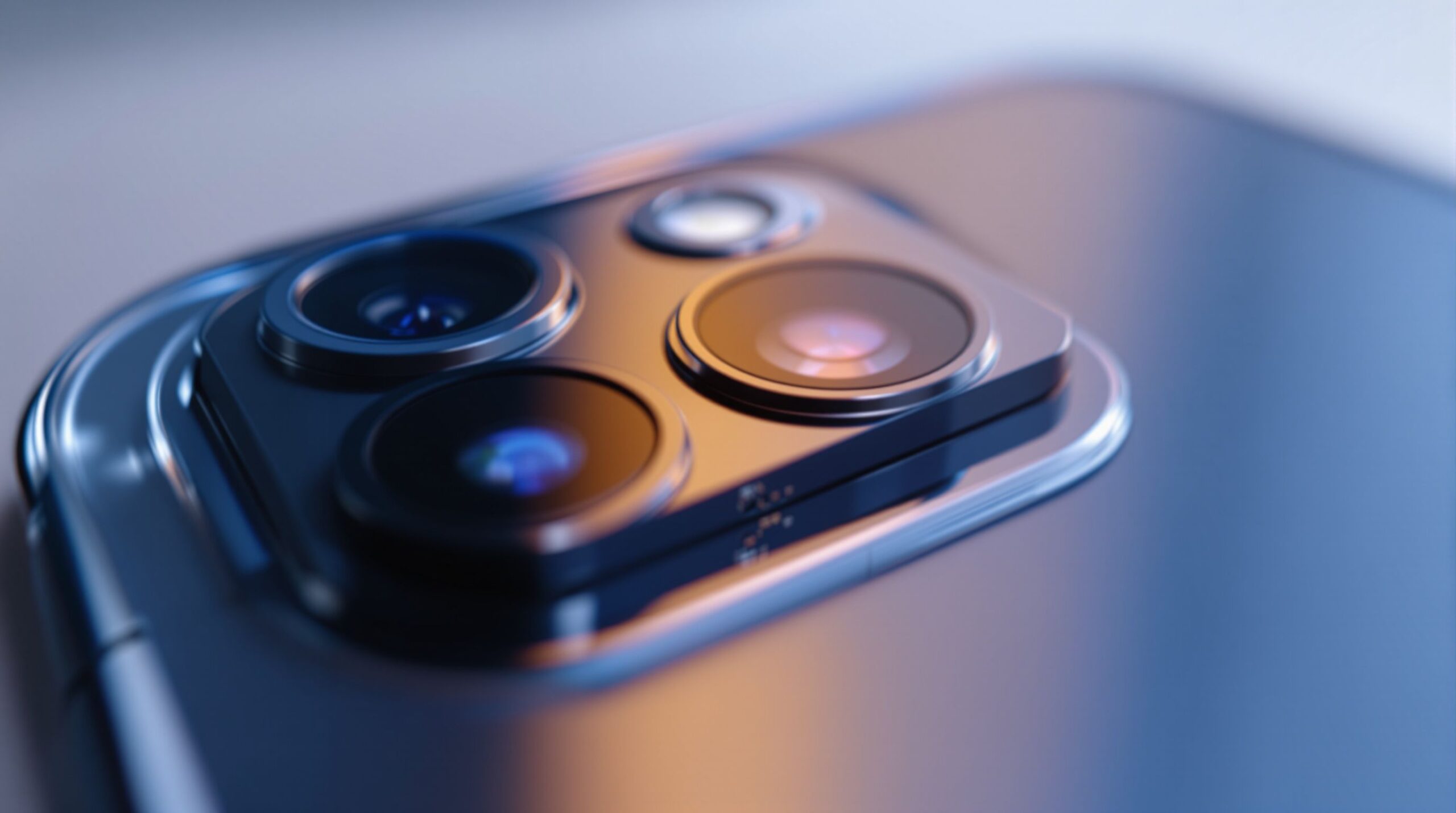
Mobile cameras and lenses have transformed our pockets into powerful creative studios, and on Mobile Streets, this sub-category dives into the incredible world where imaging meets innovation. Today’s mobile cameras capture life with breathtaking clarity—turning everyday scenes into cinematic moments and spontaneous snapshots into gallery-worthy memories. From ultra-wide landscapes to macro details invisible to the naked eye, these lenses push the boundaries of what’s possible on a device small enough to fit in your hand. Whether you’re fascinated by computational photography that enhances each shot with intelligent precision, intrigued by multi-lens systems that adapt to every environment, or inspired by the low-light magic of modern sensors, this space brings every breakthrough into focus. Here, you’ll explore the technology behind dynamic range improvements, stabilization systems that smooth every frame, and pro-level controls that empower photographers of all skill levels. Step into Mobile Cameras and Lenses, where creativity is instant, innovation is limitless, and the world becomes your canvas—one tap at a time.
A: Not by themselves—sensor size, lens quality, and processing often matter more than megapixel count alone.
A: Differences in lighting, software versions, and default settings can all change the look of images.
A: Use night mode, brace against something steady, tap to expose for your subject, and avoid heavy digital zoom.
A: Yes—optical stabilization helps both low-light photos and video, especially with shaky hands.
A: Good-quality clip-ons can expand your creative options, but cheap ones often soften or distort the image.
A: Front cameras often use smaller sensors and different tuning, prioritizing skin smoothing and wider angles.
A: Native camera apps plus moderate HDR usually work well—avoid over-sharpening or extreme filters.
A: Tap to focus, hold the phone steady through the shutter animation, and make sure subjects aren’t moving too fast.
A: If you like editing and want maximum control, yes; for quick sharing, the standard processed image is easier.
A: A clear, fast camera app makes it easier to switch modes, adjust exposure, and capture the moment before it’s gone.