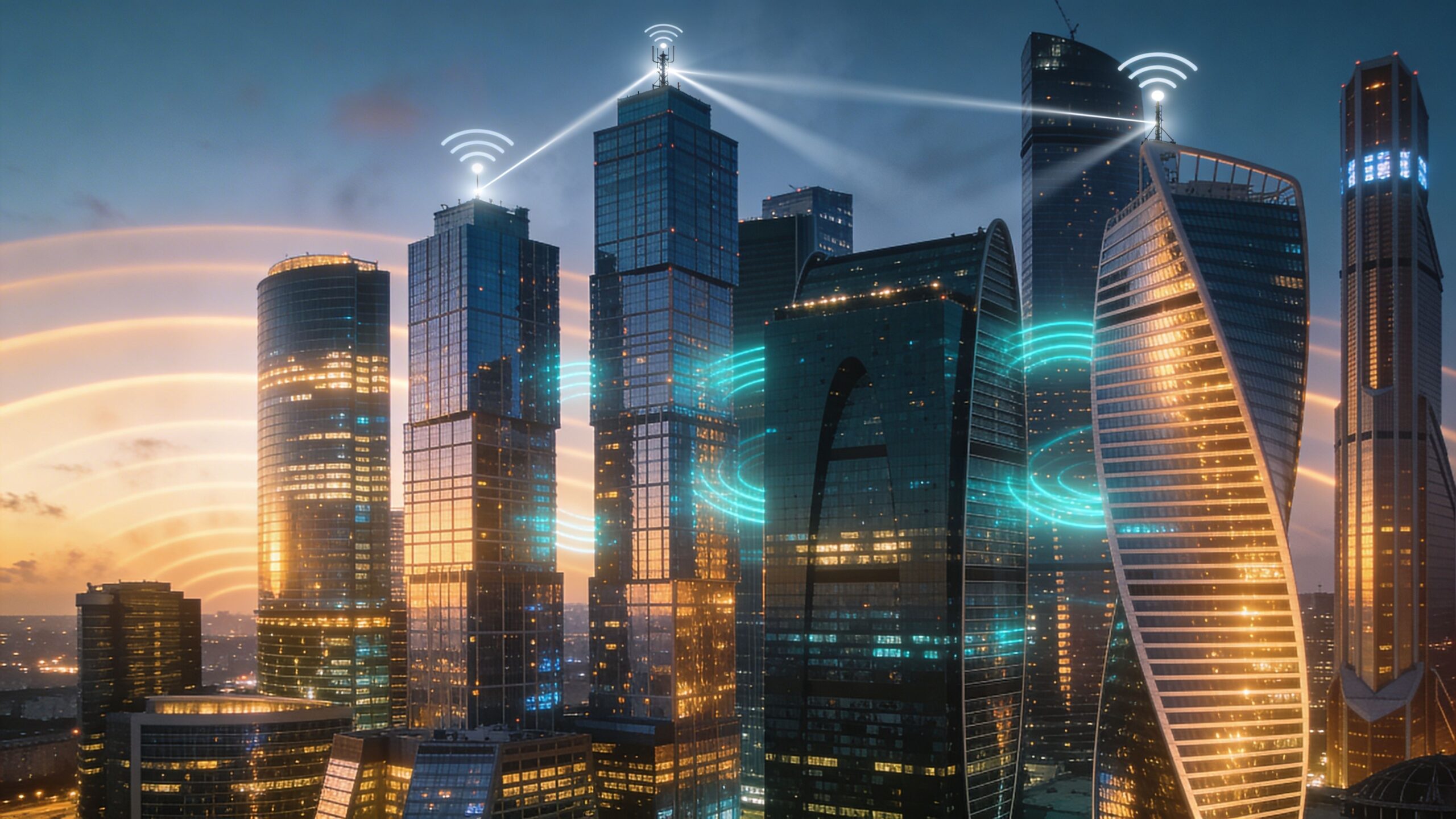
Every time you stream a movie, send a text, check directions, or join a video call, you are riding on invisible highways made of radio waves. These highways are organized into frequency bands, and understanding how they work is essential in today’s hyper-connected world. From smartphones and Wi-Fi routers to satellites and smart cities, frequency bands form the backbone of modern communication. The way they are structured—low-band, mid-band, and high-band—directly determines how far signals travel, how fast data moves, and how reliable your connection feels. As wireless networks evolve, especially with the rise of 5G and beyond, the conversation around frequency bands has moved from engineering circles into mainstream technology discussions. Consumers want faster speeds. Businesses demand lower latency. Cities need reliable connectivity for infrastructure and public safety. Behind all of this lies a fundamental tradeoff between coverage, capacity, and speed. Low-band, mid-band, and high-band frequencies each bring unique strengths and limitations, and understanding them reveals why no single band can do it all.
A: Not always—low-band can be perfectly usable, but it’s often optimized for coverage and can get crowded.
A: It tends to deliver the best blend of reach and capacity, so it improves everyday speed in more places.
A: It’s a great bonus in dense hotspots, but it’s not a replacement for strong low/mid coverage.
A: Higher frequencies lose more signal through materials; your phone may drop to a different band indoors.
A: Carrier build quality where you live/work matters most—spectrum only helps if it’s deployed well.
A: Coverage is where you can connect; capacity is how well the network performs when many people connect.
A: Yes—carrier aggregation can combine bands to boost speed and smooth performance.
A: Signal quality, tower load, building blockage, and which band you’re assigned can change minute to minute.
A: Not reliably—bars show signal strength, but speed depends on congestion, backhaul, and spectrum width.
A: Use your phone’s field test mode or a trusted network info app to view band/channel details.
Understanding the Spectrum: How Frequency Really Works
At its core, wireless communication relies on electromagnetic waves. These waves are measured in hertz, which represent the number of oscillations per second. When we talk about frequency bands, we are referring to specific ranges within the radio frequency spectrum that are allocated for communication purposes. Lower frequencies have longer wavelengths, while higher frequencies have shorter wavelengths. This simple physical reality drives nearly every practical difference between low-band, mid-band, and high-band spectrum.
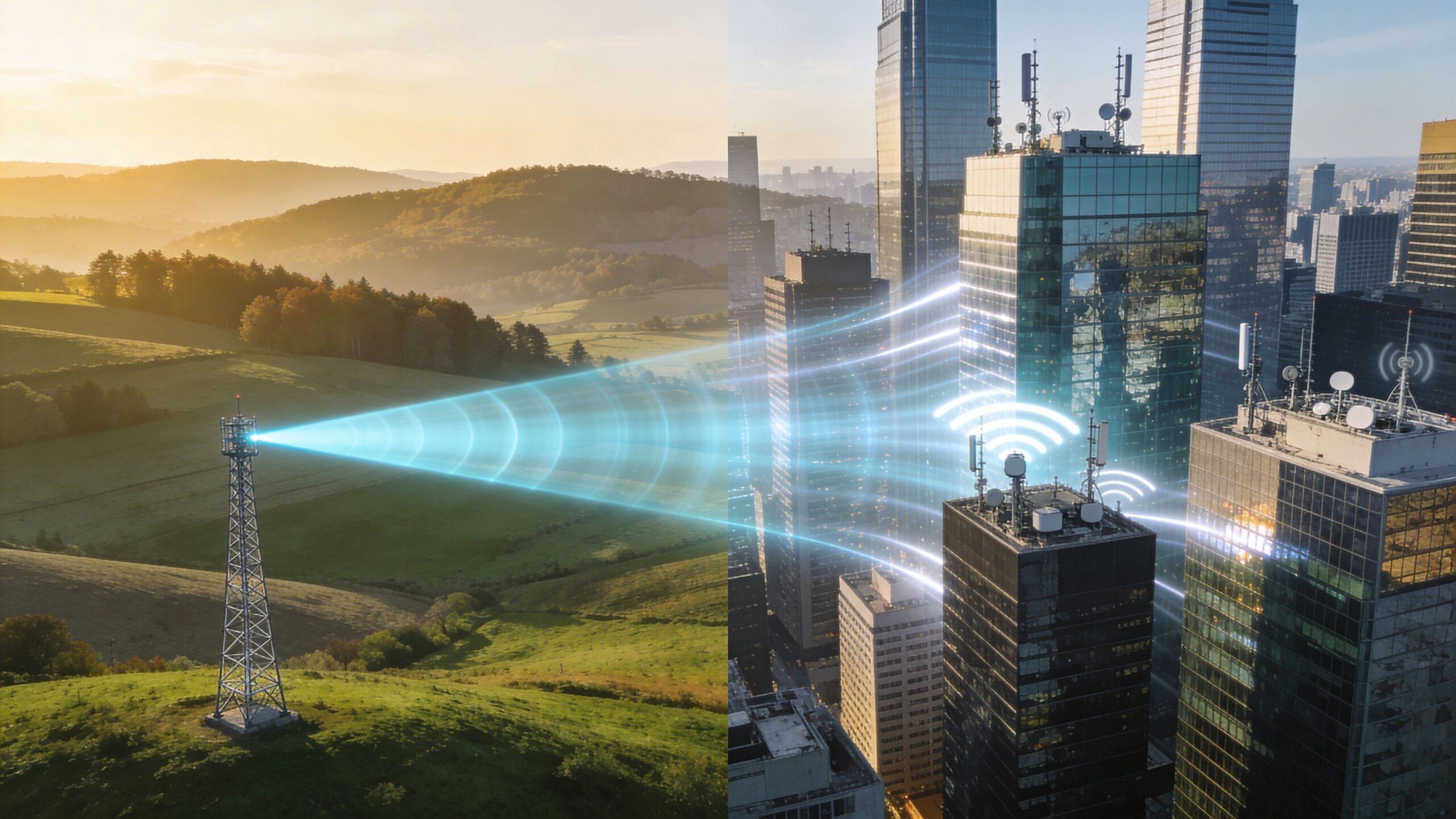
Longer wavelengths travel farther and penetrate obstacles like walls, trees, and buildings more effectively. Shorter wavelengths, on the other hand, carry more data but struggle with distance and obstruction. This is why the radio frequency spectrum must be strategically divided. Governments regulate and license portions of the spectrum to telecom providers, broadcasters, military agencies, and other users to prevent interference and maximize efficiency.
As demand for wireless connectivity has exploded, the spectrum has become one of the most valuable assets in the modern economy. Companies spend billions acquiring rights to operate in specific frequency ranges. The reason is simple: spectrum determines network performance. It shapes user experience. It defines competitive advantage. Understanding the spectrum is not just technical knowledge; it is insight into the architecture of our connected future.
Low-Band Spectrum: The Foundation of Wide-Area Coverage
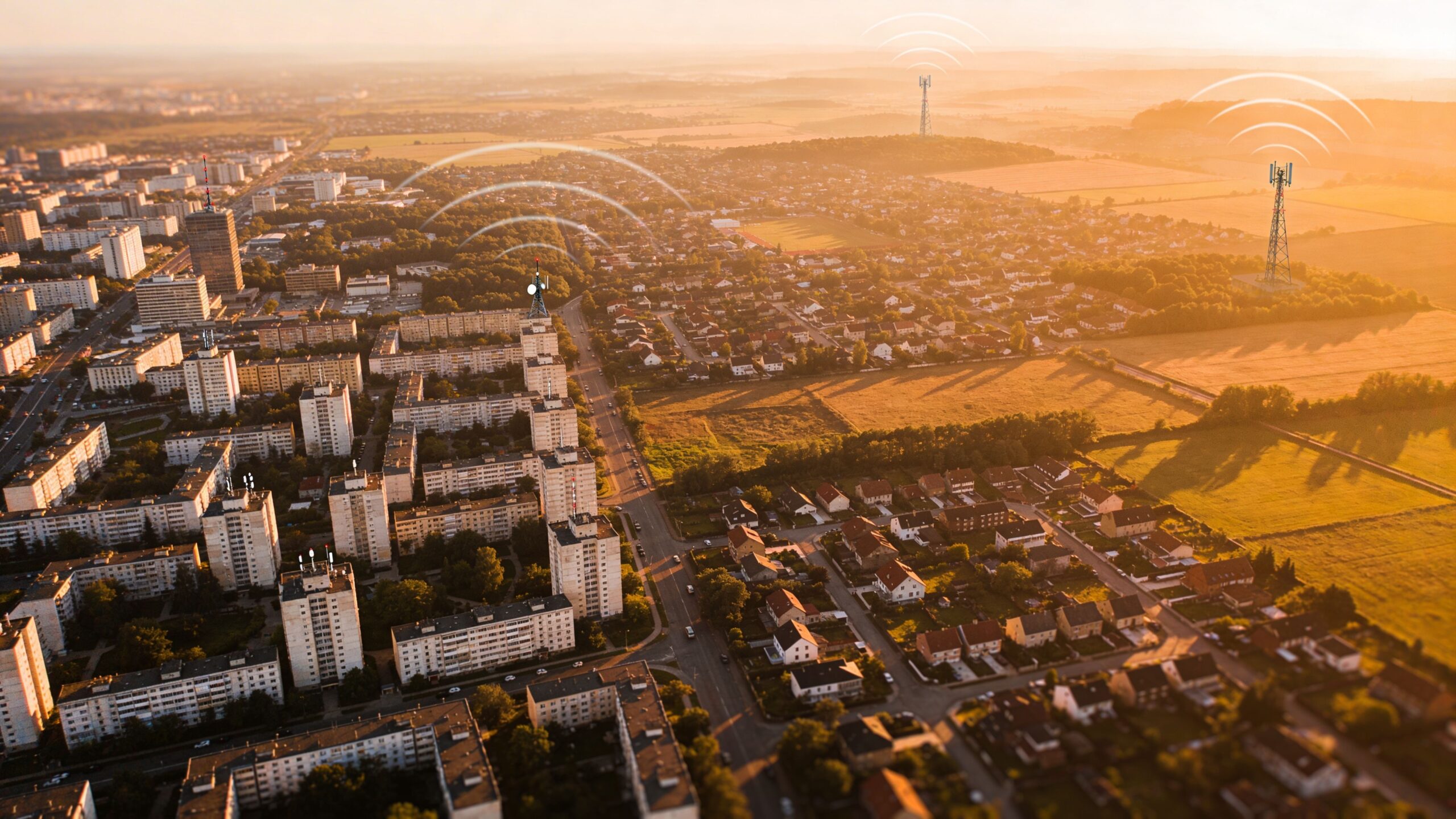
Low-band frequencies generally range from about 600 MHz to 1 GHz. These bands are often described as the foundation of cellular networks because of their exceptional coverage capabilities. Thanks to their long wavelengths, low-band signals can travel long distances and penetrate buildings with relative ease. In rural areas, where population density is low and towers are spaced far apart, low-band spectrum is essential.
The defining strength of low-band spectrum is reach. A single tower broadcasting low-band frequencies can cover large geographic areas, reducing infrastructure costs and expanding network accessibility. This makes low-band ideal for nationwide coverage strategies. When mobile carriers talk about broad 5G availability across a country, low-band frequencies are typically doing much of the heavy lifting.
However, low-band comes with tradeoffs. While it offers impressive coverage, it cannot support the same high data speeds as mid-band or high-band frequencies. The bandwidth available in low-band ranges is typically narrower, limiting how much data can be transmitted at once. In dense urban environments with thousands of users streaming, gaming, and video conferencing simultaneously, low-band spectrum can become congested.
Still, low-band remains indispensable. It provides reliable voice service, broad rural access, and dependable indoor connectivity. It is the safety net of wireless infrastructure, ensuring that even when you are far from a city center, your device stays connected.
Mid-Band Spectrum: The Sweet Spot of Speed and Coverage
Mid-band frequencies typically range from about 1 GHz to 6 GHz. These frequencies are often described as the ideal balance between coverage and capacity. They travel shorter distances than low-band frequencies, but they offer significantly higher data speeds and broader bandwidth.
In the era of 5G, mid-band spectrum has become the centerpiece of network strategy. It delivers dramatically improved performance compared to low-band while maintaining reasonable coverage. This balance makes mid-band particularly powerful in suburban and urban environments where demand is high but coverage still needs to extend across neighborhoods and districts.
Mid-band frequencies can support higher data throughput, meaning users experience faster downloads, smoother streaming, and more responsive applications. For businesses deploying private networks, smart factories, or campus-wide connectivity, mid-band spectrum offers a compelling combination of reliability and performance.
However, mid-band does not penetrate buildings as effectively as low-band, and it requires more infrastructure to achieve the same geographic reach. Network planners must deploy additional towers and small cells to maintain consistent performance. Despite this, mid-band is often considered the engine of modern 5G networks because it delivers the kind of speed improvements consumers and enterprises expect without the severe range limitations of high-band frequencies.
High-Band Spectrum: The Powerhouse of Ultra-Fast Connectivity
High-band frequencies, often referred to as millimeter wave, generally operate above 24 GHz. These frequencies represent the cutting edge of wireless performance. They offer extraordinary data speeds, ultra-low latency, and massive capacity. In ideal conditions, high-band spectrum can deliver multi-gigabit speeds that rival or exceed wired broadband connections.
The reason for this performance lies in the physics of short wavelengths. High-band frequencies can carry enormous amounts of data, making them ideal for high-density environments such as stadiums, airports, downtown districts, and major event venues. In these settings, thousands of users may be connected simultaneously, demanding bandwidth for video streaming, augmented reality, and real-time applications.
But high-band spectrum comes with significant limitations. These signals travel only short distances and are easily blocked by walls, trees, and even heavy rain. To deploy high-band effectively, network providers must install dense networks of small cells placed close together. This infrastructure-intensive approach makes high-band deployments more expensive and complex.
Despite these challenges, high-band frequencies are critical for pushing the boundaries of what wireless networks can achieve. They enable next-generation experiences like immersive virtual reality, ultra-responsive cloud gaming, and real-time industrial automation. High-band spectrum is not designed for blanket nationwide coverage; it is designed for peak performance in targeted environments.
Comparing Low, Mid, and High Bands: Tradeoffs That Shape Networks
When comparing low-band, mid-band, and high-band spectrum, it becomes clear that each plays a distinct role. Low-band excels in coverage and reliability. Mid-band balances speed and reach. High-band maximizes performance and capacity. These differences are not flaws but strategic features.
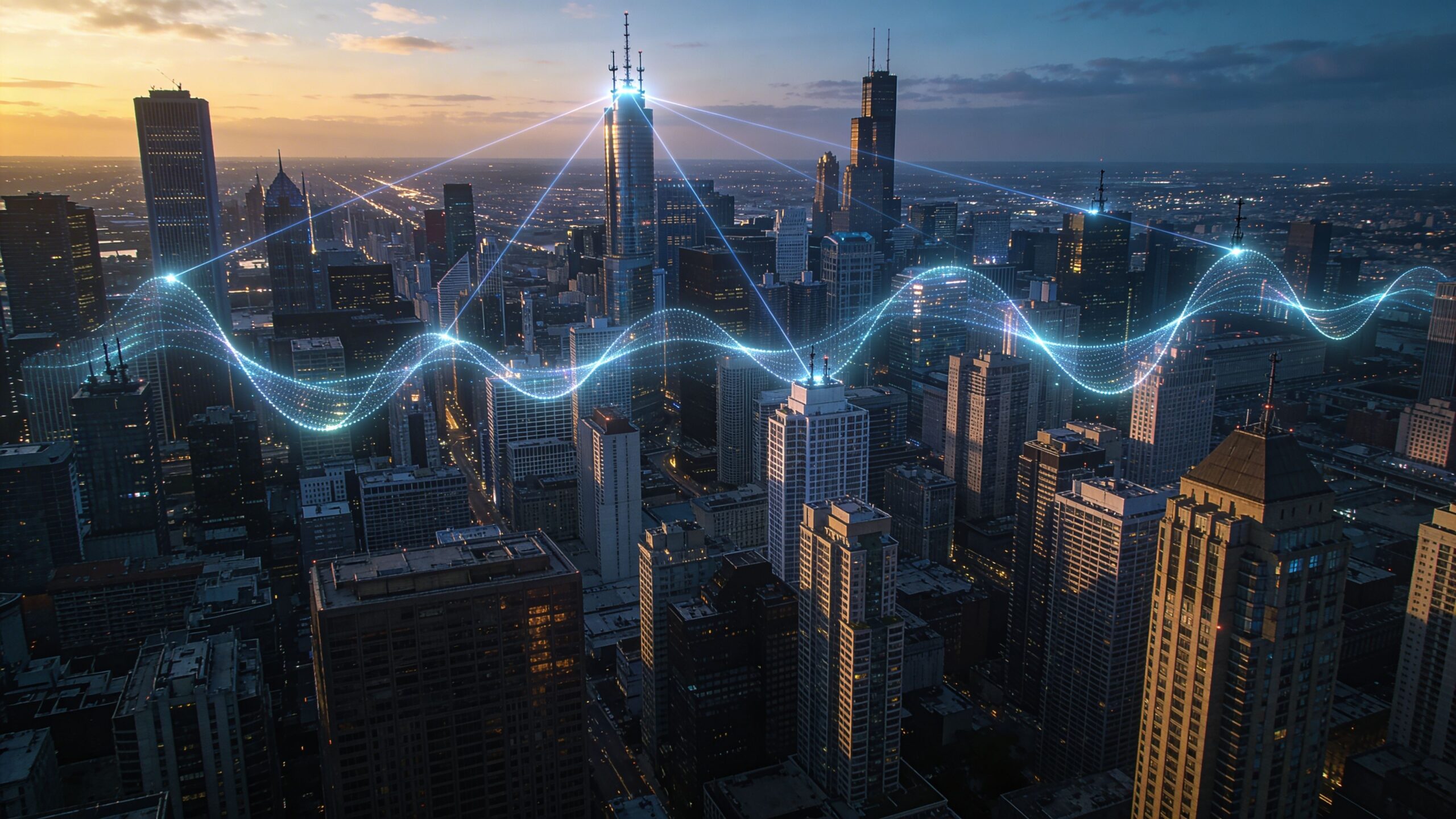
Network providers do not choose one band over another; they combine them. Modern wireless networks use a layered approach, integrating multiple frequency bands to optimize coverage, speed, and capacity. This strategy allows users to benefit from wide-area connectivity while still accessing high-performance data speeds in dense areas.
For example, a smartphone might rely on low-band frequencies for basic connectivity while indoors, switch to mid-band for everyday browsing and streaming, and connect to high-band when standing near a dense urban small cell offering ultra-fast speeds. This seamless orchestration of spectrum layers creates the user experience we now expect: fast, reliable, and nearly invisible connectivity.
The art of wireless engineering lies in balancing these bands effectively. Too much reliance on low-band may limit speed. Overemphasis on high-band may restrict coverage. Mid-band often acts as the strategic middle ground, delivering scalable performance while supporting growing data demands.
The Role of Frequency Bands in 5G and Beyond
The rollout of 5G has brought unprecedented attention to frequency bands. Unlike earlier generations of wireless technology, 5G was designed from the start to operate across low, mid, and high frequencies simultaneously. This multi-band strategy enables 5G networks to serve diverse use cases, from rural broadband expansion to smart cities and autonomous vehicles.
Low-band 5G ensures nationwide reach and foundational connectivity. Mid-band 5G delivers the transformative speed increases most users associate with the new generation. High-band 5G unlocks ultra-low latency and massive device density for advanced applications. Together, they form a comprehensive ecosystem.
Looking ahead, future wireless standards will continue to push into even higher frequencies while refining efficiency in existing bands. Innovations such as beamforming, massive MIMO, and dynamic spectrum sharing enhance the performance of each band, squeezing more value from limited spectrum resources.
As industries embrace automation, remote operations, and real-time analytics, the importance of frequency strategy will only grow. The right mix of spectrum determines whether emerging technologies can scale reliably. Frequency bands are not just technical categories; they are strategic assets shaping the digital economy.
Choosing the Right Band for the Right Mission
For businesses, municipalities, and network planners, selecting the appropriate frequency band depends on specific goals. Rural connectivity projects often prioritize low-band spectrum to maximize coverage across large territories. Urban deployments lean heavily on mid-band to balance speed and reliability. High-density venues and industrial campuses invest in high-band infrastructure to deliver extreme performance where it matters most.
Consumers may not see these decisions directly, but they feel the impact. When your phone maintains signal deep inside a building, low-band is likely at work. When your streaming service runs flawlessly in a busy neighborhood, mid-band is doing the heavy lifting. When you experience blazing speeds near a dense urban hotspot, high-band is likely powering the connection.
Understanding these layers empowers smarter decision-making. It helps businesses evaluate service providers. It clarifies why network performance varies by location. It reveals why coverage maps can look impressive while real-world speeds differ.
Wireless connectivity is not magic. It is physics, engineering, and strategy woven together. And at the heart of it all are frequency bands, each with a defined purpose and powerful role.
The Future of the Spectrum: Building Faster, Smarter Networks
As global data consumption continues to rise, spectrum management will remain one of the most critical challenges in telecommunications. Emerging applications such as autonomous transportation, remote surgery, immersive entertainment, and massive Internet of Things deployments will place unprecedented demands on networks. The solution will not come from a single frequency band. It will come from intelligent integration. Dynamic spectrum allocation, advanced antenna systems, and evolving regulatory frameworks will allow low-band, mid-band, and high-band spectrum to work in harmony. In the coming years, expect deeper densification in urban areas, expanded mid-band deployment for balanced performance, and continued innovation in high-band technologies to overcome range limitations. Expect also greater emphasis on spectrum efficiency, ensuring that every hertz is used effectively. Frequency bands are the invisible architecture of modern life. They determine how fast information moves, how reliably devices connect, and how boldly innovation can advance. By understanding low-band, mid-band, and high-band spectrum, we gain insight into the foundation of the digital era and a clearer vision of where wireless technology is headed next. The future of connectivity is not just about faster speeds. It is about smarter deployment, strategic balance, and harnessing the full power of the radio spectrum. And in that story, frequency bands are the true protagonists shaping our connected world.