Every time your smartphone loads a webpage, sends a message, or streams a video, it connects to an invisible network of radio waves traveling through the air. Most people think about signal bars, data plans, and carrier coverage, but few stop to ask a deeper question: what are cellular frequency bands, and why do they matter? Cellular frequency bands are specific portions of the electromagnetic spectrum allocated for wireless communication. They determine how far your signal travels, how well it penetrates buildings, how fast your data moves, and how reliable your connection feels. Behind every 4G and 5G connection lies a carefully engineered mix of these bands, working together to deliver modern connectivity.
A: It’s a specific “lane” of radio spectrum your carrier uses to carry your calls, texts, and data.
A: Lower frequencies penetrate walls and obstacles better, so they hold signal farther and through buildings.
A: High frequencies don’t travel as far and get blocked easily—great for hotspots, not for blanket coverage.
A: Mid-band—because it balances speed and reach, especially in towns and cities.
A: The 5G band may not penetrate well indoors, so the phone falls back to a lower band for stability.
A: Yes—band support, modem generation, and antenna design change how well they hold and combine signals.
A: Not reliably—signal quality and congestion can matter more than raw strength.
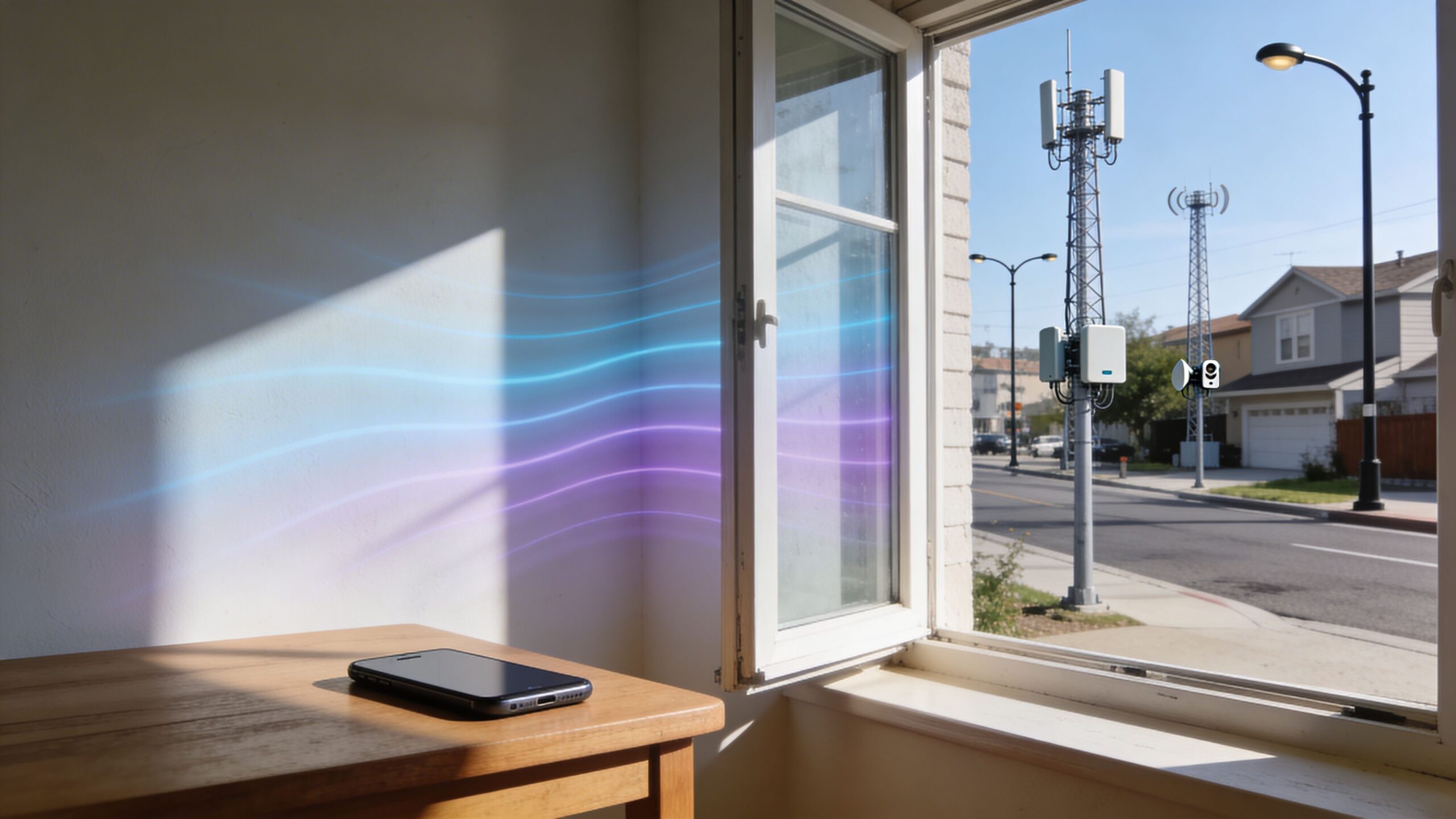
A: Turn on Wi-Fi calling and test near windows; if it improves, you’re dealing with penetration loss.
A: It’s a nice bonus in hotspots, but most daily performance comes from low- and mid-band coverage.
A: Test speeds in multiple spots at different times, and compare with another phone/carrier if possible.
Understanding the Spectrum: Where Cellular Bands Live
Cellular networks operate within the electromagnetic spectrum, a vast range of energy frequencies that includes everything from radio waves to visible light and X-rays. Mobile communication relies on radio frequencies, which occupy the lower-energy end of the spectrum.
Governments regulate and allocate specific slices of this spectrum to wireless carriers. These slices are organized into bands, each defined by a frequency range measured in megahertz (MHz) or gigahertz (GHz). Carriers purchase licenses to operate within these bands, allowing them to transmit voice and data signals across regions.
Different bands behave differently because of the physics of radio waves. Lower frequencies have longer wavelengths, allowing them to travel farther and bend around obstacles. Higher frequencies have shorter wavelengths, enabling them to carry more data but limiting their travel distance.
This balance between range and capacity is the core reason cellular frequency bands matter. They shape every aspect of how mobile networks function.
Low-Band Frequencies: The Foundation of Coverage
Low-band frequencies typically operate below 1 GHz. These bands are often described as the backbone of wide-area coverage. Because their radio waves travel long distances and penetrate buildings effectively, they are ideal for rural areas and indoor connectivity.
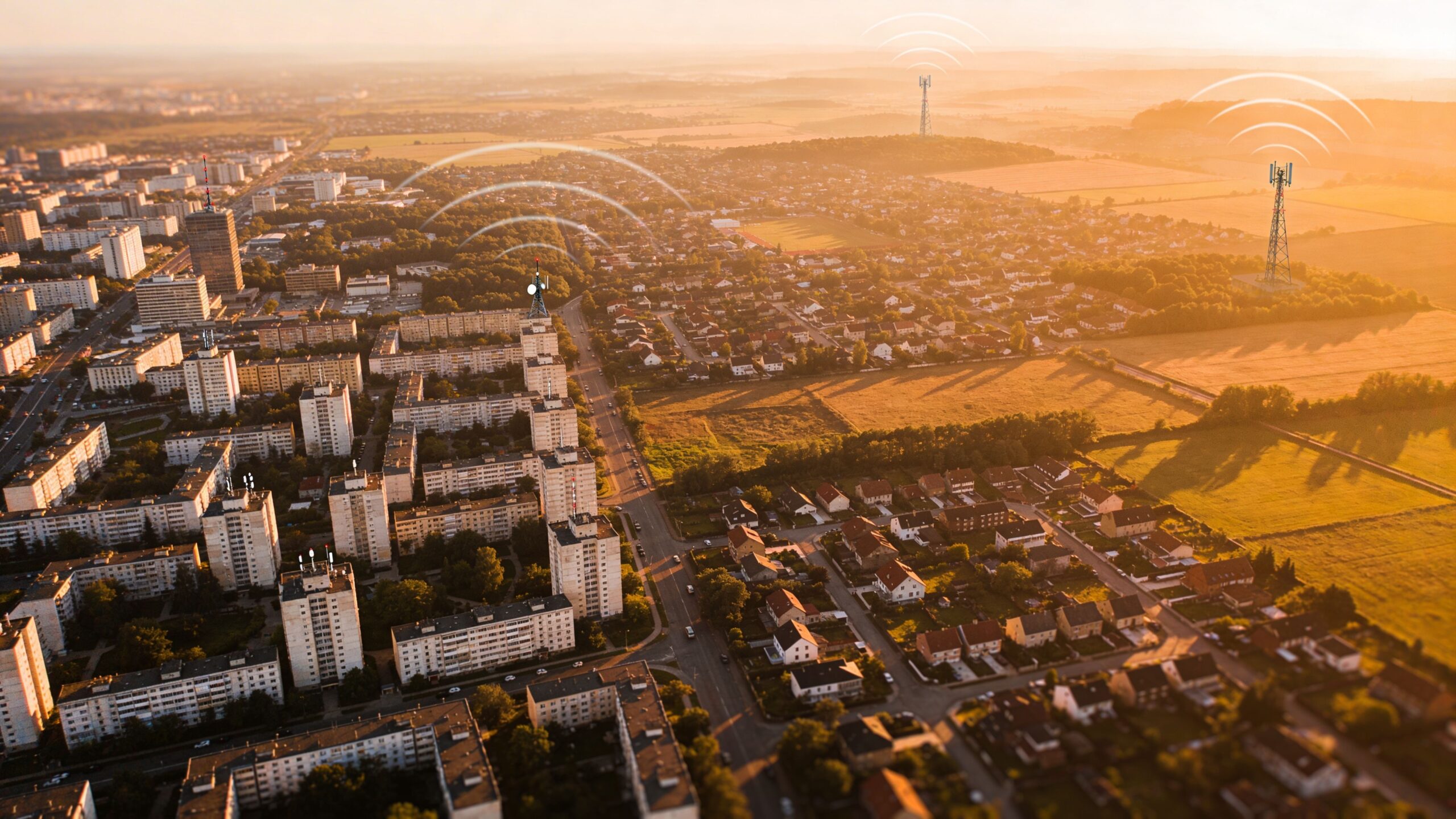
When you drive across open countryside and still maintain signal, low-band spectrum is likely supporting your connection. A single tower operating on low frequencies can cover many miles, making it cost-effective for carriers to extend service across large geographic regions.
Low-band frequencies also perform well indoors. Their longer wavelengths allow signals to pass through walls and other obstacles more efficiently than higher frequencies. This makes them essential for maintaining strong signal strength inside homes, offices, and shopping centers.
However, low-band spectrum has limitations. It offers less total bandwidth compared to higher-frequency bands. That means while coverage is strong, data speeds may not match the performance of mid-band or high-band frequencies in high-demand environments.
Mid-Band Frequencies: The Balance of Speed and Reach
Mid-band frequencies, generally between 1 GHz and 6 GHz, represent a middle ground between coverage and capacity. These bands are widely used in modern 4G LTE and 5G networks because they provide faster speeds than low-band spectrum while still offering reasonable range.
Mid-band spectrum does not travel as far as low-band frequencies, but it can carry significantly more data. This makes it ideal for suburban and urban areas where population density is higher and network demand increases.
With the rollout of 5G, mid-band frequencies have become particularly important. They deliver noticeable speed improvements without requiring the extremely dense infrastructure of higher-frequency bands. Many nationwide 5G networks rely heavily on mid-band spectrum to provide enhanced performance across cities and towns.
For most users, mid-band frequencies strike the best balance. They offer faster download speeds, improved latency, and reliable coverage without the severe limitations of high-band spectrum.
High-Band Frequencies: The Power and Limits of Millimeter Wave
High-band frequencies, often called millimeter wave or mmWave, operate above 24 GHz. These frequencies unlock extraordinary data capacity, enabling multi-gigabit speeds and ultra-low latency. They are at the forefront of advanced 5G deployments.
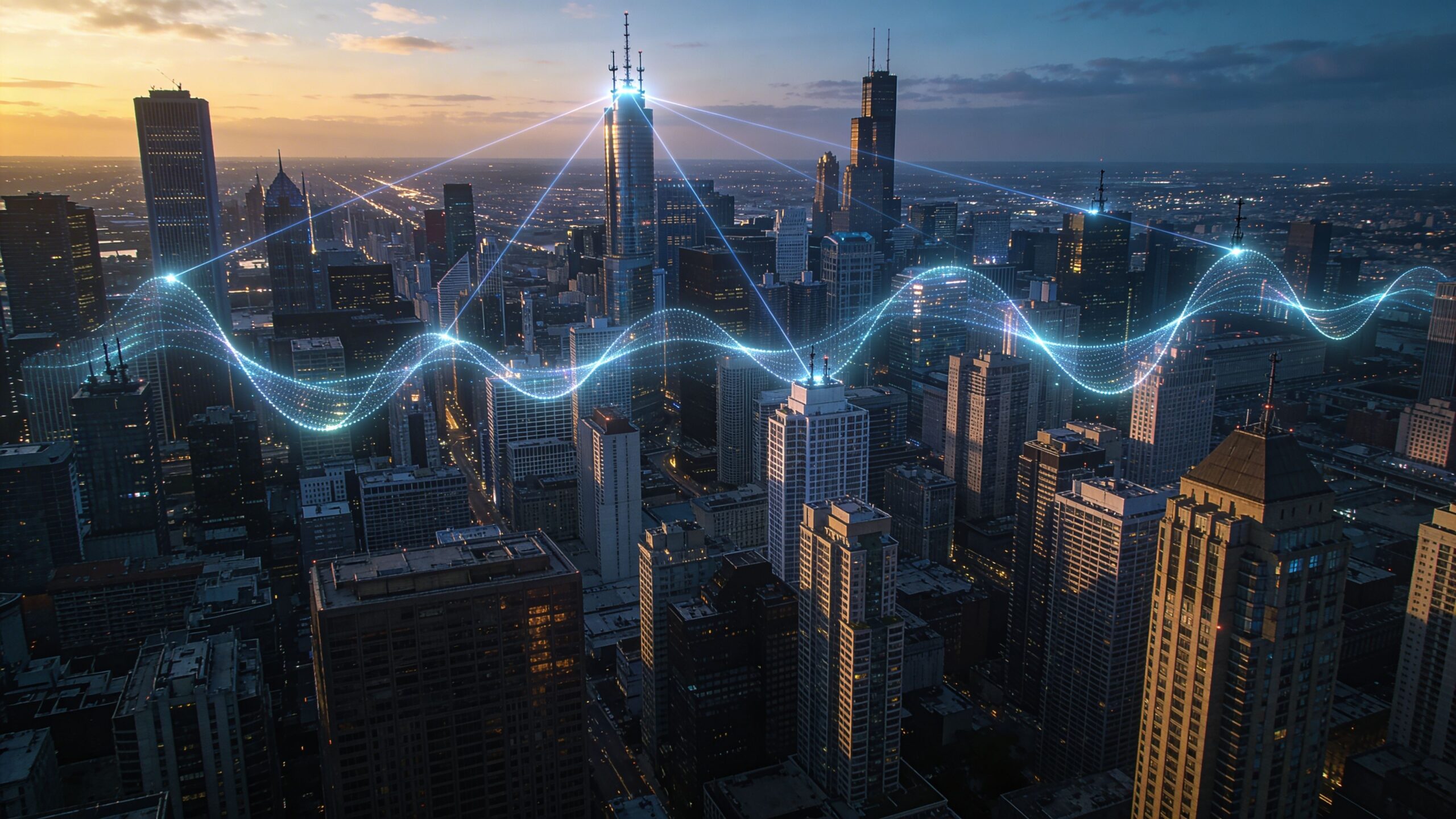
The advantage of high-band spectrum lies in its ability to transmit large amounts of data simultaneously. This makes it ideal for crowded environments such as stadiums, business districts, and large public events where thousands of users demand high-speed connectivity at once.
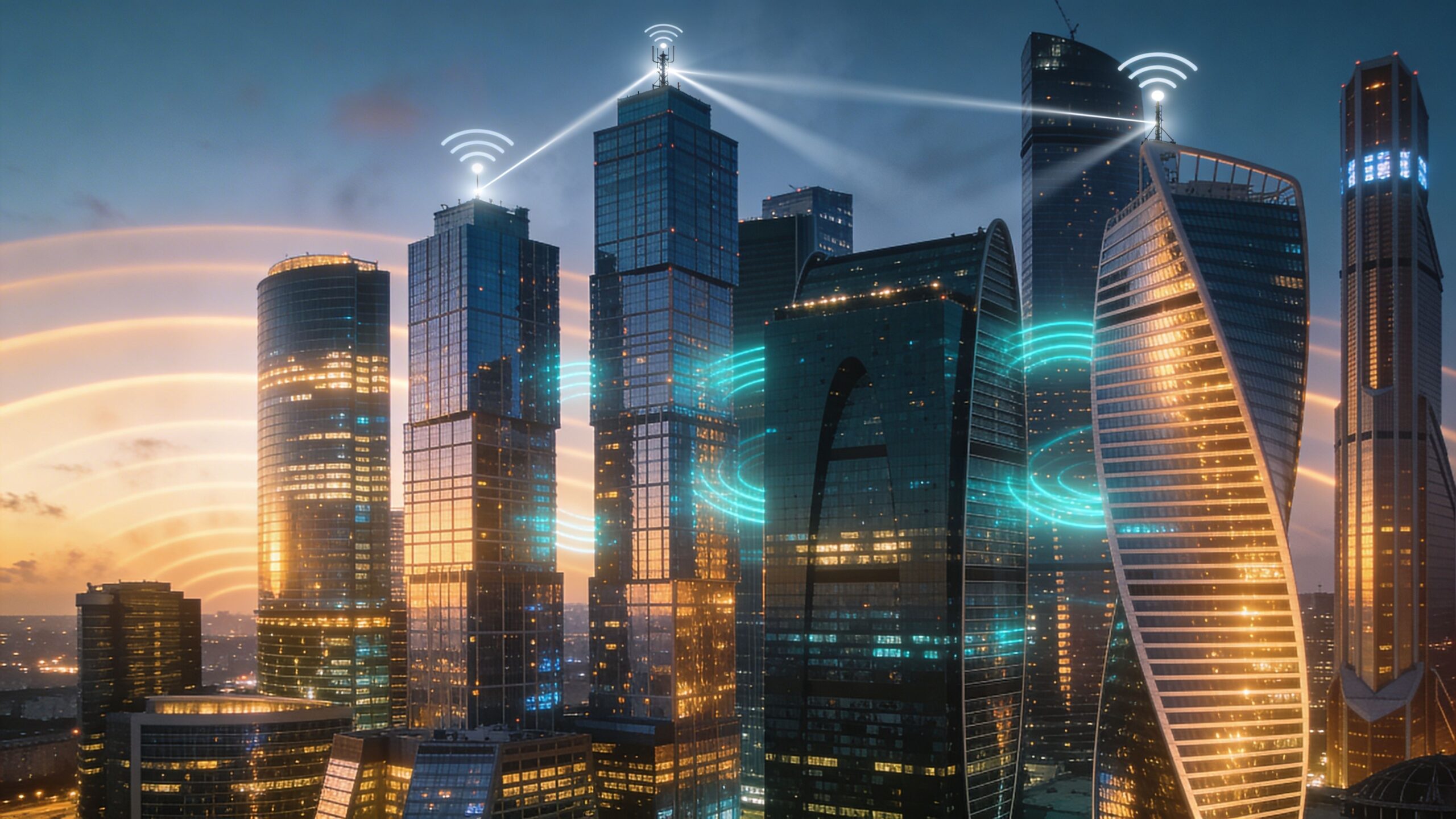
However, high-band frequencies come with significant tradeoffs. Their shorter wavelengths limit how far they can travel. They struggle to penetrate walls, glass, and even foliage. As a result, carriers must deploy many small cells close together to maintain consistent coverage.
While high-band spectrum represents the peak of wireless performance, it is not designed for broad rural coverage. Instead, it enhances capacity in targeted zones where demand is highest.
Why Cellular Frequency Bands Affect Signal Strength
Signal strength depends heavily on which frequency band your device is using. Lower frequencies maintain stronger signals over longer distances because they experience less path loss. Higher frequencies lose strength more quickly as they travel through air and obstacles.
If you notice strong signal bars in rural areas, low-band frequencies are likely providing coverage. If your connection slows down in a crowded urban setting, the network may be managing congestion across available bands.
Building penetration is another critical factor. Low-band signals pass through walls more easily, maintaining stronger indoor reception. High-band signals may weaken significantly indoors unless supported by additional infrastructure.
Signal strength is not simply about proximity to a tower. It is about how radio waves interact with physical space. Terrain, building materials, weather conditions, and interference all influence how effectively each band performs.
Understanding these interactions explains why your phone may switch between different bands throughout the day. Modern devices automatically select the best available frequency to maintain performance.
How Devices Use Multiple Bands at Once
Modern smartphones are designed to operate across multiple cellular frequency bands. They use advanced technologies such as carrier aggregation and dynamic spectrum sharing to combine signals from different bands simultaneously.
Carrier aggregation allows devices to connect to several bands at once, boosting overall speed and improving reliability. For example, your phone might use low-band spectrum for stable coverage while combining it with mid-band frequencies for faster data throughput.
Dynamic spectrum sharing enables carriers to allocate spectrum between 4G and 5G devices more efficiently. This flexibility ensures smoother transitions as networks evolve.
The ability to shift seamlessly between bands is essential in today’s layered network architecture. It allows carriers to balance coverage, speed, and capacity without requiring users to think about the technical details.
However, not all devices support every frequency band. Older smartphones may lack compatibility with newer mid-band or high-band 5G spectrum. This can affect signal strength and performance even if the network supports advanced capabilities.
Spectrum Strategy and the Future of Connectivity
Cellular frequency bands are not static. As technology advances, governments release new portions of spectrum for commercial use. Carriers invest billions of dollars acquiring licenses to expand their network capabilities.
The evolution from 3G to 4G and now 5G has relied heavily on strategic spectrum allocation. Each generation of wireless technology pushes for greater efficiency, higher speeds, and improved latency.
Looking ahead, researchers are exploring even higher frequencies for future 6G networks. These innovations promise unprecedented data rates and new applications in immersive communication, smart cities, and industrial automation.
At the same time, low-band spectrum will remain essential for foundational coverage. The future of wireless communication depends on a layered spectrum strategy that integrates low, mid, and high frequencies seamlessly.
As networks become more intelligent, artificial intelligence systems may dynamically manage spectrum allocation in real time. Devices and towers will coordinate more efficiently to optimize signal strength and capacity.
Why Frequency Bands Matter to You
Understanding cellular frequency bands empowers you as a consumer. It helps you interpret coverage maps, evaluate smartphone compatibility, and make informed decisions about carriers and plans. If you live in a rural area, low-band spectrum coverage should be a priority. If you rely on high-speed data in dense urban environments, mid-band and high-band support become more important. When purchasing a new device, checking supported frequency bands ensures compatibility with your carrier’s network. This detail can significantly influence your mobile experience. Frequency bands also shape the future of innovation. From connected vehicles to smart homes and remote healthcare, reliable wireless connectivity depends on efficient spectrum use. The invisible architecture of radio waves determines how seamlessly your digital life functions. Behind every notification, video call, and cloud download lies a carefully engineered mix of frequency bands working in harmony. Cellular frequency bands matter because they define the limits and possibilities of modern communication. They determine where networks reach, how fast data flows, and how stable connections remain. In a world increasingly powered by wireless technology, understanding the spectrum is not just technical knowledge. It is insight into the infrastructure that connects billions of people every day.