Every time you stream a movie, navigate with GPS, send a message, or upload a video, an invisible network of wireless infrastructure makes it possible. At the center of that infrastructure are antenna towers—tall, engineered structures that quietly transmit and receive the signals powering modern mobile communication. As mobile networks transition from 4G to 5G, these towers are evolving rapidly, becoming more sophisticated, more numerous, and more essential to the way the world connects. 5G antenna towers represent the backbone of the next generation of wireless communication. They are designed to deliver dramatically faster speeds, lower latency, and greater network capacity than previous technologies. These improvements enable innovations that go far beyond smartphones, including smart cities, autonomous vehicles, remote surgery, industrial automation, and immersive virtual experiences.
A: No. Many are upgraded 4G or multi-use sites with added 5G radios and antennas.
A: Speed depends on band type, tower density, congestion, backhaul, and device compatibility.
A: Towers cover broader areas; small cells fill capacity and coverage gaps in dense locations.
A: It offers one of the best blends of reach, speed, and real-world usability.
A: It helps direct radio energy more efficiently toward devices instead of spreading it everywhere.
A: No. They also support tablets, home internet devices, vehicles, sensors, and industrial systems.
A: Dense populations and more buildings require extra sites to maintain speed and reliability.
A: Yes. Congestion, weak backhaul, limited spectrum, or obstacles can reduce performance.
A: Very often, yes. Many networks still use LTE as part of the overall mobile experience.
A: A mix of smart tower placement, advanced antennas, strong spectrum assets, and high-capacity backhaul.
From 4G to 5G: A New Era of Wireless Infrastructure
For years, 4G LTE networks formed the foundation of mobile communication. These networks relied primarily on large macro towers placed strategically across cities, highways, and rural regions. Each tower transmitted radio signals over wide areas, connecting thousands of mobile devices simultaneously.
However, as smartphone usage exploded and data demand surged, the limitations of 4G became increasingly clear. Video streaming, cloud gaming, augmented reality, and connected devices all require far more bandwidth than earlier generations of mobile technology could deliver.
5G networks were developed to solve this challenge. They introduce several key improvements over previous wireless standards, including dramatically faster data speeds, extremely low latency, and the ability to connect millions of devices within a small geographic area.
To achieve these capabilities, 5G networks rely on a layered architecture of antenna towers and transmitters. Instead of depending solely on large towers spaced miles apart, the system uses a combination of macro towers, small cells, and distributed antenna systems. This multi-tiered approach allows networks to deliver strong signals even in crowded urban environments where traditional towers struggle to keep up.
The result is a network that is faster, smarter, and more adaptable to the increasing demands of modern digital life.
Anatomy of a 5G Antenna Tower
At first glance, a 5G antenna tower may look similar to earlier cellular towers. Tall metal structures rising above the skyline, often disguised as flagpoles, trees, or building fixtures, are common sights across cities and highways. But the technology mounted on these towers has evolved significantly.
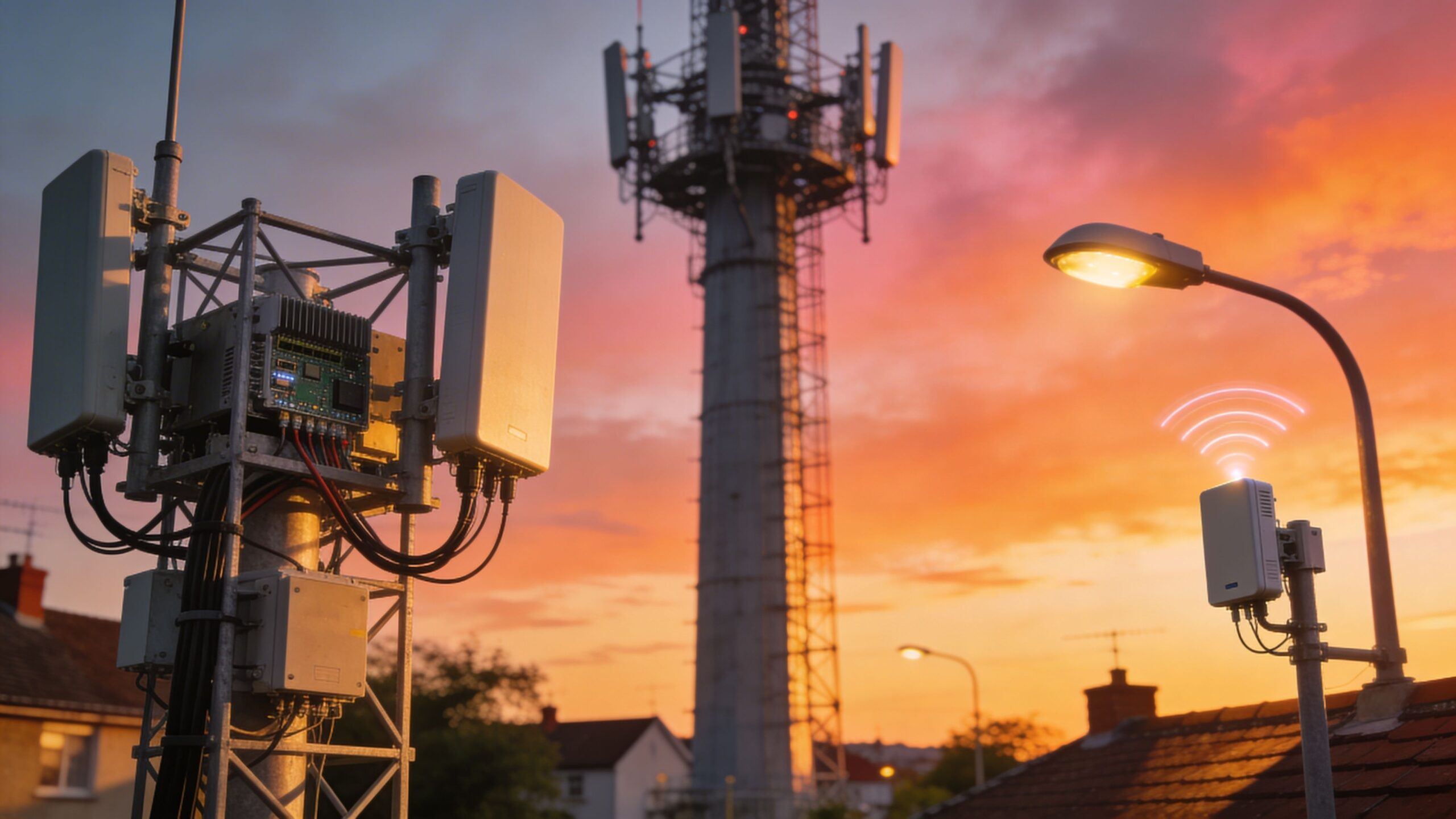
A typical 5G tower contains multiple antennas, radios, and supporting equipment designed to transmit and receive signals across different frequency bands. These antennas communicate with smartphones and other devices using radio waves, which carry digital data through the air.
Modern towers use advanced technologies such as massive MIMO, which stands for multiple input, multiple output. Instead of broadcasting signals in all directions, massive MIMO antennas create targeted beams that focus radio energy toward specific devices. This technique improves efficiency, increases speed, and reduces interference between users.
Beamforming is another critical innovation used in 5G towers. With beamforming, antennas dynamically direct signals toward devices as they move, ensuring consistent connectivity even in crowded environments. This technology allows networks to support far more simultaneous connections than earlier wireless systems.
Together, these technologies transform antenna towers from simple broadcast structures into intelligent communication hubs capable of managing vast streams of data in real time.
Macro Towers, Small Cells, and the Layered Network
One of the defining characteristics of 5G infrastructure is the use of multiple types of towers and antennas working together. Rather than relying solely on large towers spaced miles apart, 5G networks combine different layers of coverage to maximize performance.
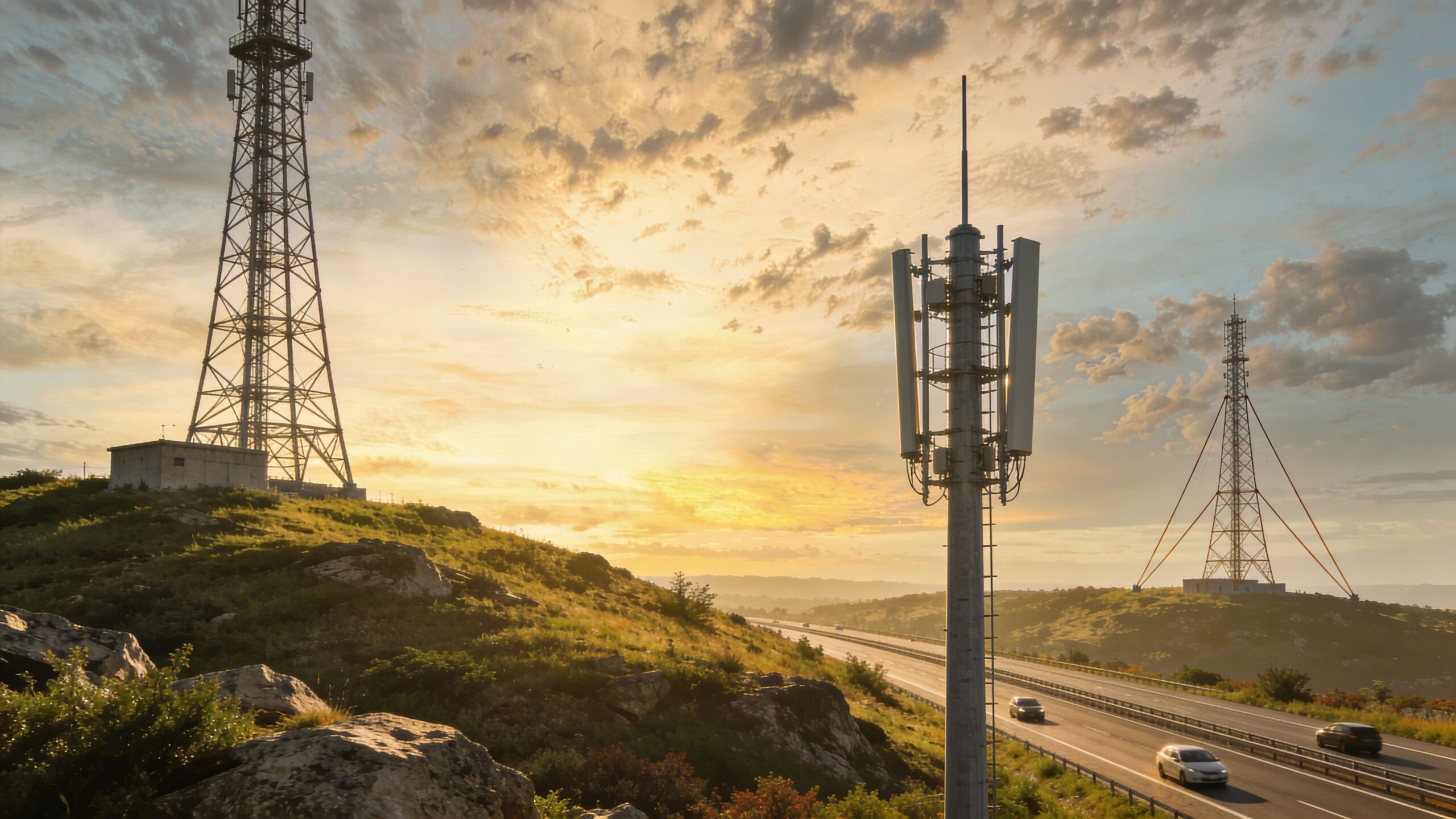
Macro towers remain a foundational component of the network. These tall structures, often located on hills, rooftops, or rural sites, provide wide-area coverage that extends across large geographic regions. They ensure that devices maintain connectivity even when far from dense urban centers.
However, the high-frequency spectrum used by many 5G networks has a shorter range than earlier cellular technologies. Signals can be blocked by buildings, trees, and other obstacles. To overcome this challenge, network providers deploy small cells throughout cities and neighborhoods.
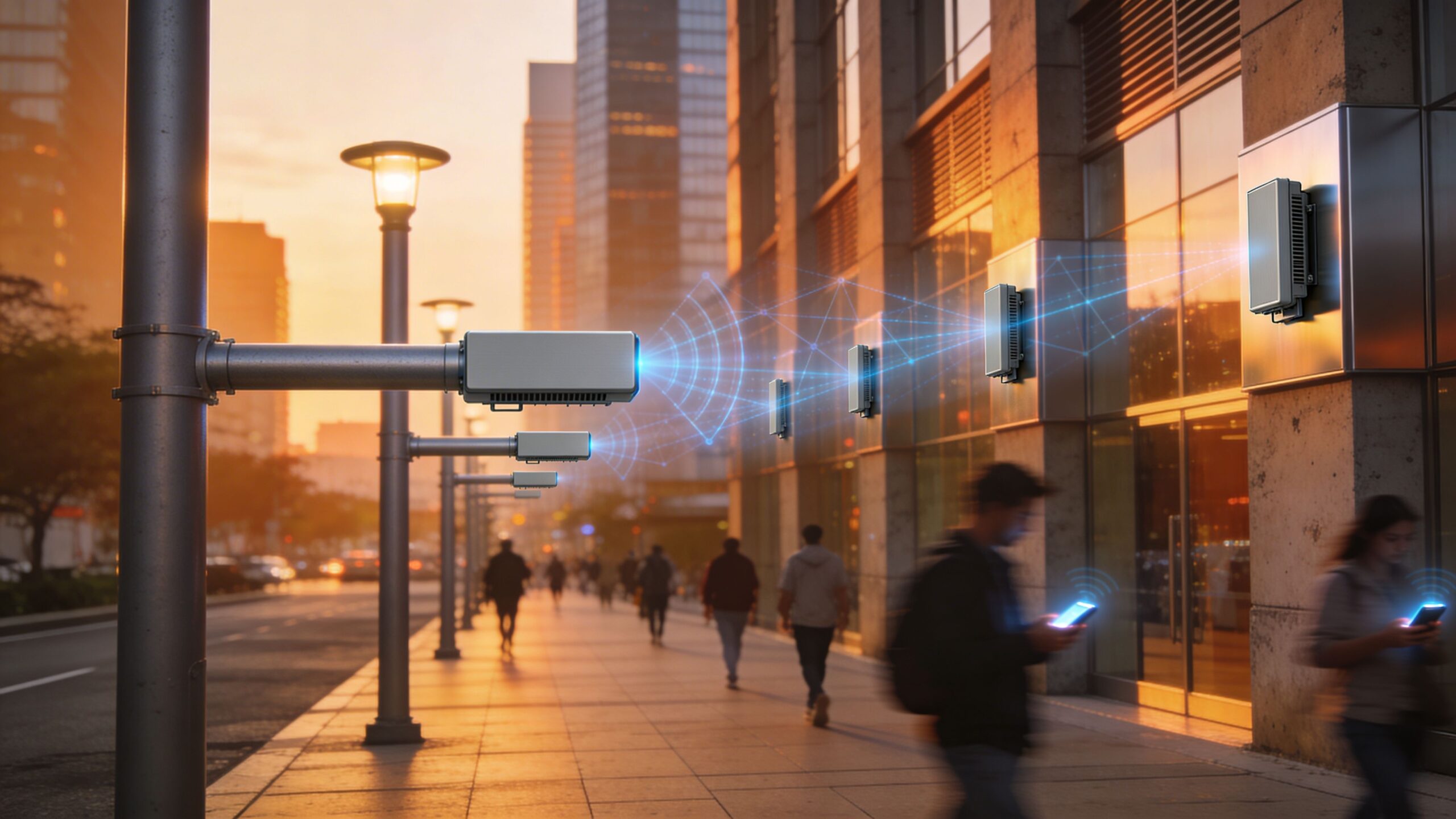
Small cells are compact antenna units mounted on utility poles, streetlights, traffic signals, or building facades. They fill coverage gaps and provide additional capacity in areas with high data demand. Because they operate closer to users, small cells deliver faster speeds and lower latency.
In many locations, distributed antenna systems are also used to improve indoor connectivity. These systems place multiple small antennas inside large buildings such as stadiums, airports, and shopping centers, ensuring strong signal coverage even in complex indoor environments.
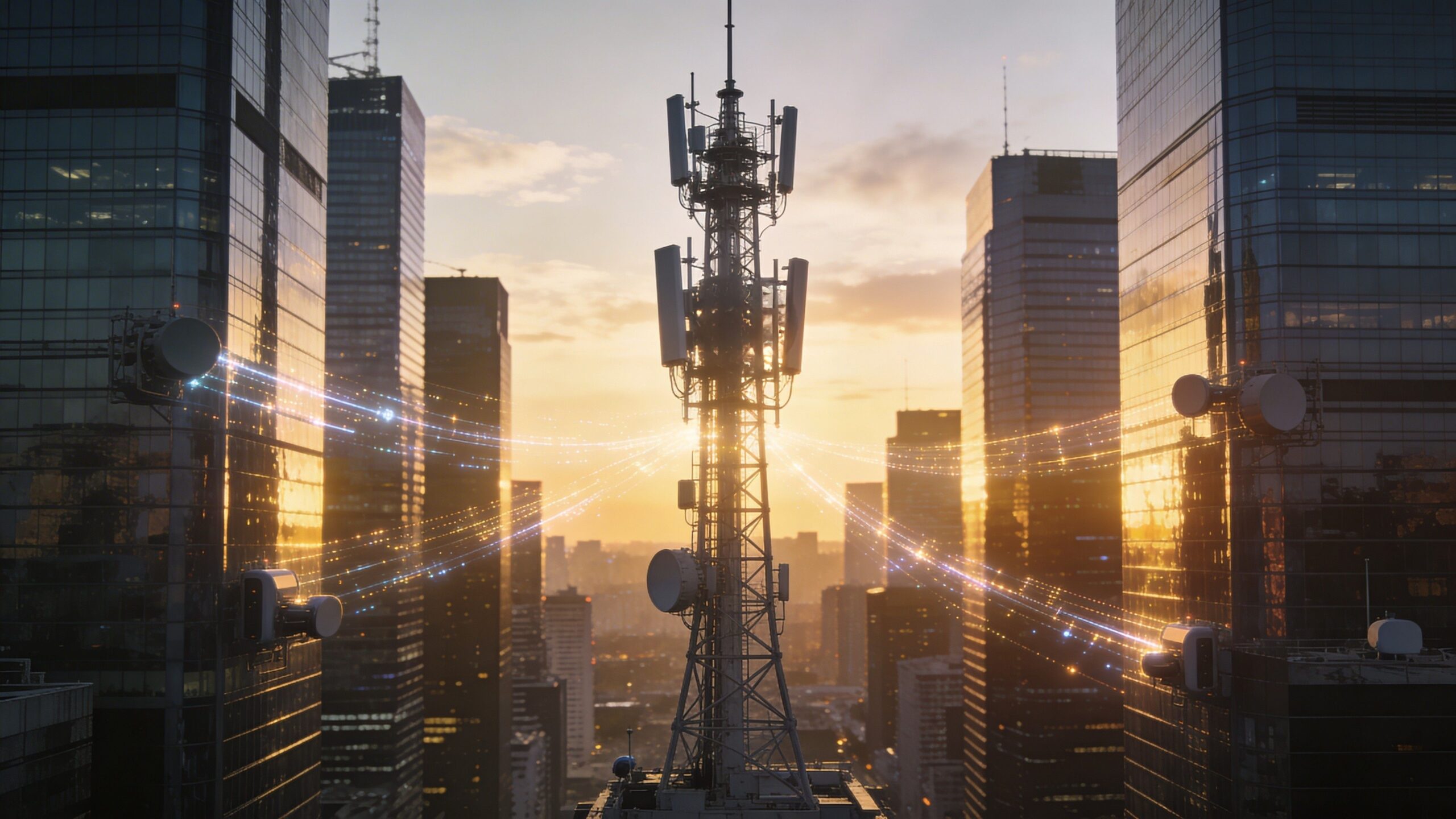
The combination of macro towers, small cells, and indoor antenna systems creates a layered network architecture that provides both wide coverage and high capacity.
The Role of Radio Spectrum in 5G Performance
Radio spectrum is the invisible highway that carries wireless signals between towers and devices. The performance of a 5G network depends heavily on the specific frequencies it uses.
Low-band spectrum offers the greatest coverage area, allowing signals to travel long distances and penetrate buildings effectively. These frequencies provide reliable nationwide connectivity but typically deliver slower speeds compared to higher bands.
Mid-band spectrum represents a balance between coverage and performance. It offers faster speeds while still maintaining reasonable range, making it one of the most important components of modern 5G deployments. Many carriers rely heavily on mid-band frequencies to expand network capacity across cities and suburban areas.
High-band spectrum, often referred to as millimeter wave, delivers the fastest speeds and lowest latency available in mobile networks. These frequencies can support gigabit-level data rates, enabling ultra-fast downloads and real-time applications. However, millimeter wave signals travel only short distances and are easily blocked by obstacles, which is why they require dense deployments of small cells.
By combining multiple spectrum bands, 5G networks can optimize both coverage and performance, ensuring reliable service across diverse environments.
Power, Fiber, and the Hidden Backbone of 5G
While antenna towers receive much of the attention in discussions about wireless networks, the true backbone of 5G lies in the infrastructure connecting those towers together. Behind every antenna array is a complex web of fiber-optic cables, power systems, and data centers that support the flow of information.
Fiber-optic networks are especially critical. These ultra-fast cables transmit enormous amounts of data between towers and the core network at the speed of light. Without fiber backhaul, even the most advanced antenna systems would struggle to deliver the high speeds promised by 5G technology.
Power infrastructure is another essential component. Towers must operate continuously, often in remote or harsh environments. Backup power systems, batteries, and generators ensure that network connectivity remains stable during outages or emergencies.
Network edge computing also plays a growing role in modern mobile infrastructure. Instead of sending all data to distant data centers, edge computing allows certain processing tasks to occur closer to users. This reduces latency and enables real-time applications such as autonomous vehicles, industrial robotics, and immersive gaming experiences.
Together, these hidden systems form the digital nervous system that allows 5G towers to deliver seamless connectivity across vast regions.
Transforming Cities, Industries, and Everyday Life
The expansion of 5G antenna towers is reshaping how societies operate and interact with technology. Faster networks and lower latency open the door to innovations that were previously impractical or impossible.
Smart cities are among the most visible examples. With dense networks of sensors and connected devices, municipalities can optimize traffic flow, manage energy usage, monitor infrastructure health, and improve public safety.
In healthcare, 5G connectivity enables remote diagnostics, telemedicine, and even robotic surgery. Doctors can collaborate across continents while interacting with high-resolution imaging and real-time patient data.
Manufacturing is also undergoing a transformation. Industrial facilities equipped with 5G networks can support autonomous robots, advanced quality monitoring systems, and predictive maintenance powered by artificial intelligence.
For everyday consumers, the benefits are equally significant. Ultra-fast mobile networks support high-definition streaming, cloud gaming, augmented reality experiences, and seamless connectivity across smart homes, vehicles, and wearable devices.
These capabilities illustrate how antenna towers, once viewed as simple communication structures, have become foundational components of the digital economy.
Challenges and the Future of 5G Tower Deployment
Despite the promise of 5G technology, deploying the infrastructure required to support it presents significant challenges. Building new towers and installing small cells involves complex coordination between telecommunications companies, local governments, and property owners. Regulatory approvals, zoning restrictions, and community concerns can slow the deployment process. Some residents worry about the visual impact of additional antennas or question the safety of increased wireless infrastructure, even though extensive scientific research has found no credible evidence that cellular networks pose health risks when operating within established safety guidelines. Cost is another important factor. Constructing new towers, laying fiber-optic cables, and installing thousands of small cells requires massive investment. Telecommunications providers must carefully balance infrastructure spending with consumer demand and competitive pressures. Looking ahead, the evolution of mobile networks will likely continue beyond 5G. Researchers and engineers are already exploring early concepts for 6G technology, which could deliver even faster speeds, integrate satellite communications, and support entirely new types of digital experiences. As these developments unfold, antenna towers will remain central to the global communication ecosystem. Whether mounted on skyscrapers, hidden on utility poles, or rising above rural landscapes, these structures will continue to power the connections that define modern life. In many ways, 5G antenna towers represent more than just infrastructure. They are symbols of a rapidly evolving digital world where information flows instantly, devices communicate seamlessly, and the boundaries between physical and digital environments grow increasingly blurred.