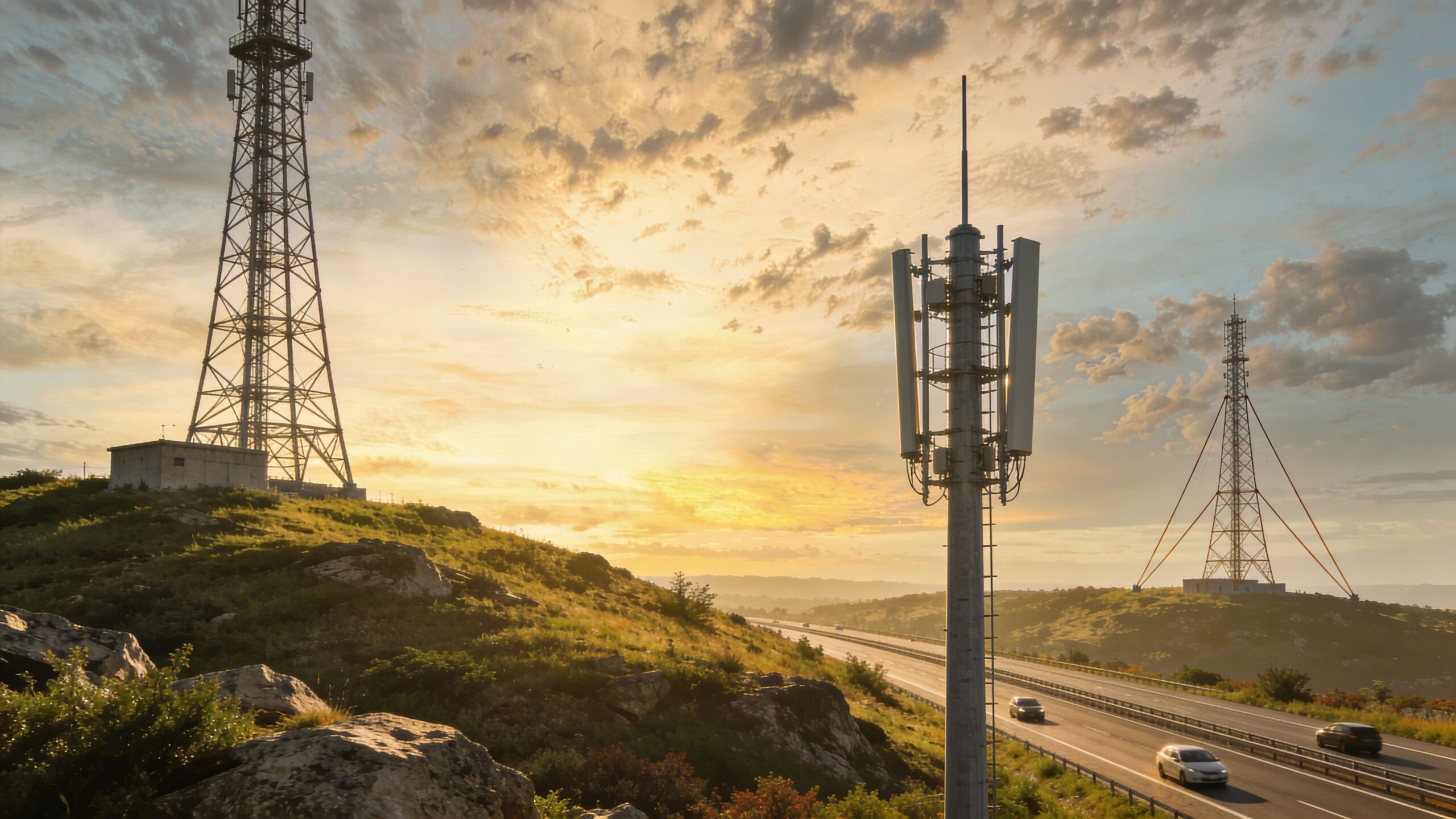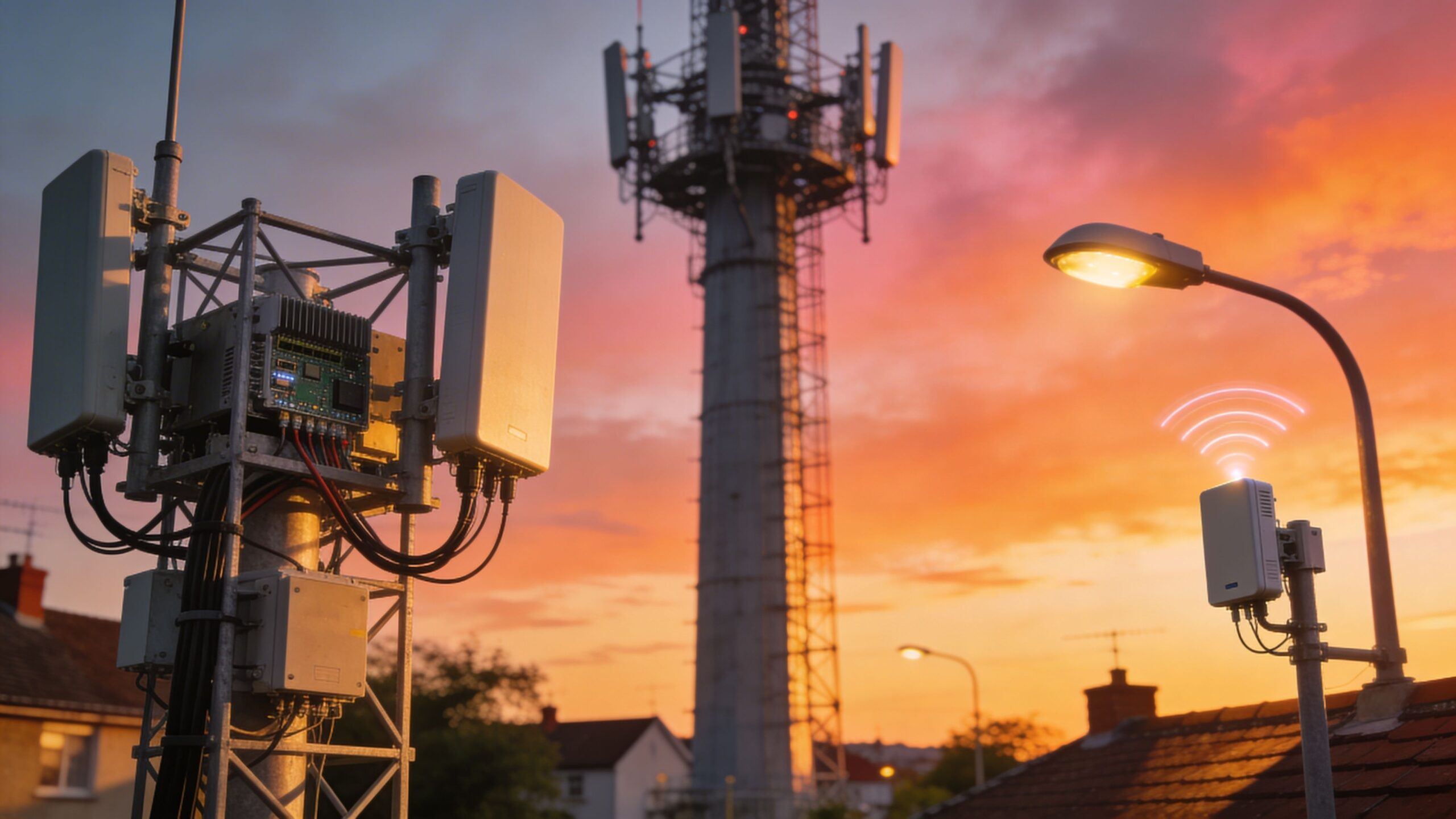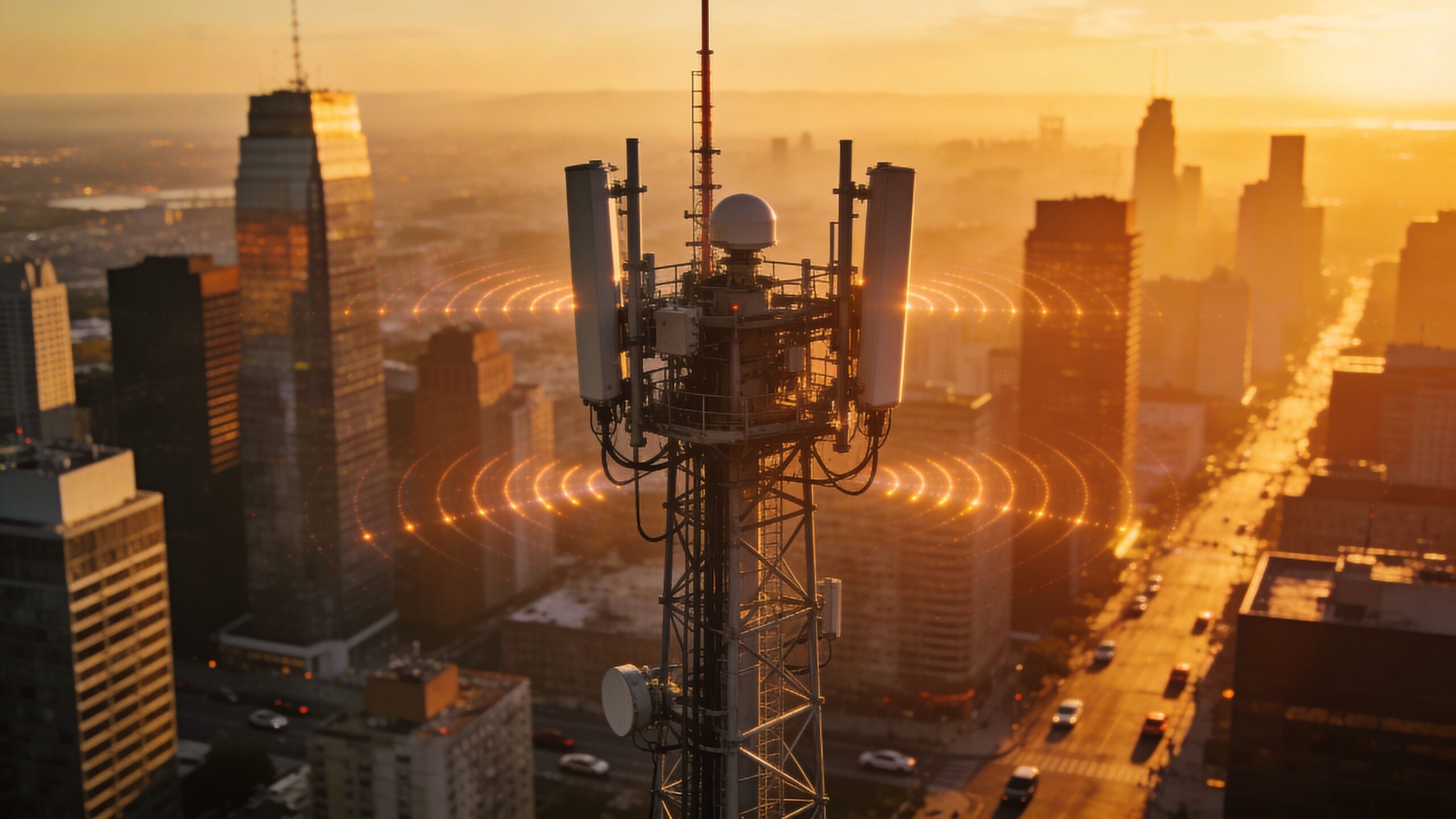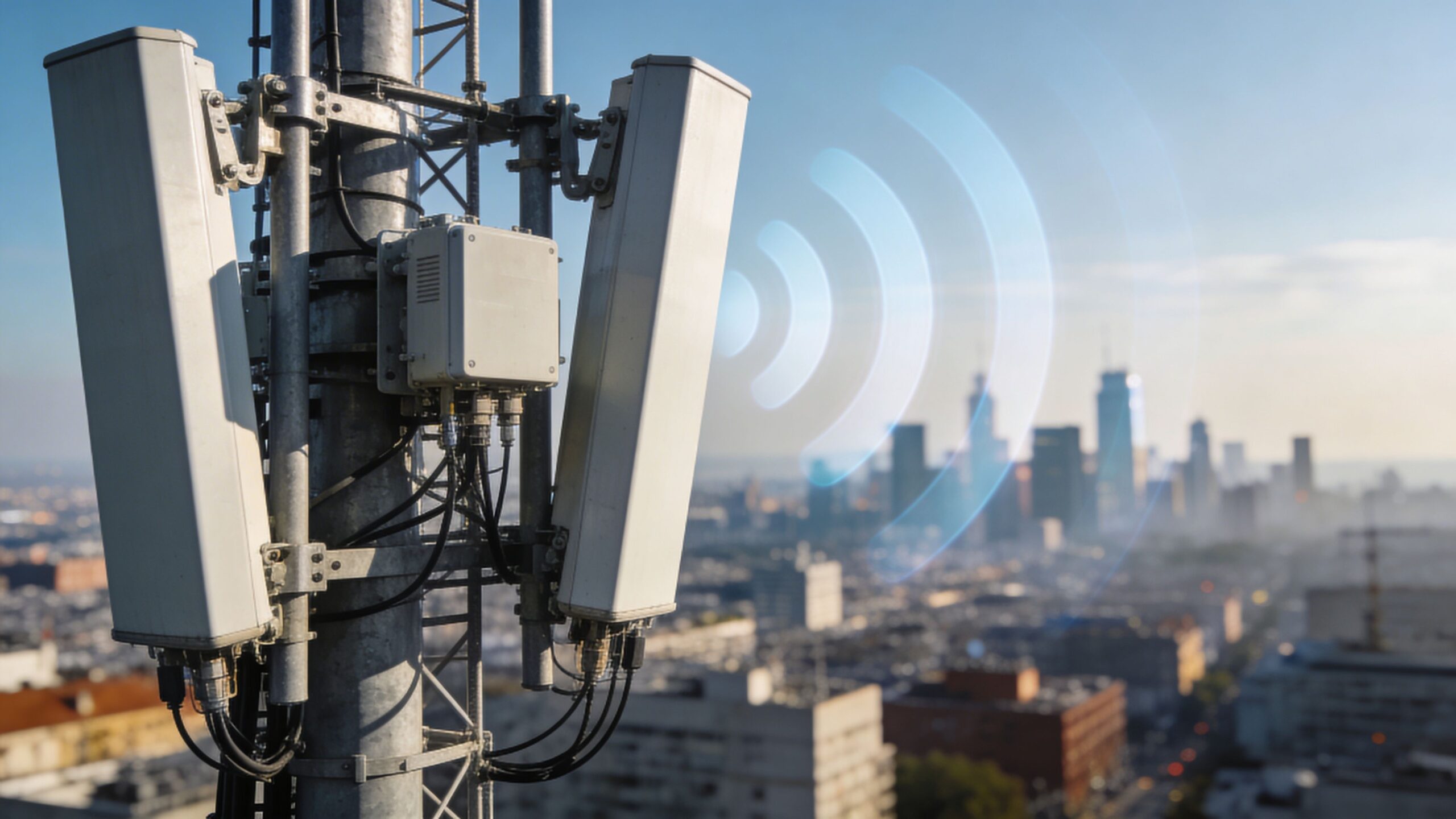
Every time a message is sent, a video is streamed, or a call connects instantly across cities or continents, a remarkable process unfolds in the background. At the center of this process are cell tower antennas—precision-engineered devices that convert digital information into electromagnetic signals and back again. Though they often go unnoticed, these antennas are the translators of the modern world, turning invisible waves into meaningful communication. Unlike traditional wired systems, wireless networks rely on the ability to send data through the air. This requires a complex interplay of physics, engineering, and software. Cell tower antennas act as both transmitters and receivers, constantly exchanging information with mobile devices. The result is a seamless experience that feels instantaneous, even though it involves countless calculations and signal adjustments happening in real time.
A: It sends and receives radio signals between mobile devices and the wireless network.
A: Towers often use multiple sectors and bands to cover different directions and support different services.
A: No. They connect wireless traffic to radios, baseband gear, backhaul, and the carrier core network.
A: Lower frequencies generally travel farther and penetrate buildings better than higher-frequency signals.
A: It is a technique that helps direct signal energy more precisely toward users instead of spreading it broadly.
A: It stands for multiple-input multiple-output, a method that uses several signal paths to improve capacity and performance.
A: Macro towers provide broad coverage, while small cells add capacity and targeted service in busy areas.
A: Yes. Walls, glass, steel, and concrete can block or reflect signals and affect indoor coverage.
A: Tilting helps focus coverage into the intended service area and reduces wasted signal and interference.
A: It usually comes from a combination of spectrum, antenna design, site placement, and smart network engineering.
From Digital Data to Radio Waves: The Signal Conversion Process
At its core, wireless communication begins with digital data—binary information composed of ones and zeros. Whether it is a voice call, a text message, or a video stream, all content must first be encoded into a format suitable for transmission. This is where the journey begins.
Inside a cell tower system, base station equipment takes this digital data and converts it into radio frequency signals. These signals are then modulated, meaning their amplitude, frequency, or phase is altered to carry the encoded information. This modulation process allows multiple signals to share the same frequency spectrum without interfering with one another.
Once prepared, the signal is sent to the antenna, which radiates it into the surrounding environment as electromagnetic waves. These waves travel through the air at the speed of light, spreading outward in a controlled pattern designed to maximize coverage and efficiency.
On the receiving end, a mobile device captures these waves using its own antenna. The device then demodulates the signal, extracting the original data and converting it back into a usable form. This entire process happens in fractions of a second, creating the illusion of instant communication.
The Role of Frequency: Why Spectrum Matters
One of the most critical factors in how cell tower antennas operate is frequency. The radio spectrum is divided into different bands, each with its own characteristics and use cases. Lower frequencies can travel longer distances and penetrate obstacles like buildings and trees more effectively, making them ideal for wide-area coverage.
Higher frequencies, on the other hand, offer greater bandwidth and can carry more data, but they have a shorter range and are more easily blocked by physical barriers. This trade-off is especially important in modern networks, where different frequency bands are used together to balance coverage and capacity.
Cell tower antennas are designed to operate across specific frequency ranges, depending on the needs of the network. In many cases, a single tower will support multiple bands simultaneously, allowing it to serve a wide variety of devices and applications.
This layered approach to frequency use is what enables modern networks to deliver both reliability and speed. By combining low-band, mid-band, and high-band frequencies, cell towers can provide consistent coverage while also supporting high-performance data services.
Direction and Coverage: How Antennas Shape Signal Flow
Cell tower antennas are not simply broadcasting signals in all directions. Instead, they are carefully engineered to control how and where signals are transmitted. This is achieved through the use of directional antennas, which focus energy into specific مناطق known as sectors.
Most cell towers are divided into three or more sectors, each covering a portion of the surrounding area. This sectorization allows the network to reuse frequencies more efficiently and reduce interference between different مناطق. It also enables better management of network traffic, as each sector can handle its own المجموعة of users.
The shape of the signal pattern, often referred to as the radiation pattern, is a key aspect of antenna design. Engineers adjust parameters such as tilt, orientation, and beamwidth to optimize coverage for specific environments. In urban areas, antennas may be tilted downward to concentrate signals on street level, while in rural مناطق, they may be oriented to maximize distance.
This precise control over signal direction is what allows cell towers to deliver reliable service even in complex environments with varying terrain and building density.
MIMO and Beamforming: The Intelligence Behind Modern Antennas
As wireless technology has advanced, so too have the capabilities of cell tower antennas. One of the most significant innovations in recent years is the use of Multiple Input Multiple Output, or MIMO, technology. This approach involves using multiple antennas at both the transmitter and receiver to send and receive multiple data streams simultaneously.
MIMO increases the capacity and reliability of wireless connections by taking advantage of signal reflections and variations in the environment. Instead of treating these factors as obstacles, the system uses them to enhance performance, effectively multiplying the amount of data that can be transmitted.
Beamforming takes this concept even further by dynamically directing signals toward specific users. Instead of broadcasting energy uniformly, the antenna system focuses its signal into a targeted beam, improving efficiency and reducing interference. This is particularly important in 5G networks, where high-frequency signals require more precise delivery.
Together, MIMO and beamforming represent a shift toward smarter, more adaptive networks. They allow cell tower antennas to respond to real-time conditions, optimizing performance for each individual user.
Overcoming Obstacles: Signal Propagation in the Real World
In theory, radio waves travel in straight lines and spread evenly across space. In reality, the environment introduces a range of challenges that can affect signal quality. Buildings, trees, terrain, and even weather conditions can influence how signals propagate.
When a signal encounters an obstacle, it may be reflected, diffracted, or absorbed. These interactions can create multiple signal paths, leading to phenomena such as fading and interference. While these effects can degrade performance, modern systems are designed to mitigate their impact.
Cell tower antennas and network تجهیزات use advanced algorithms to compensate for these challenges. Techniques such as diversity reception and error correction help ensure that data is transmitted accurately, even in less-than-ideal conditions.
Urban environments present some of the most complex scenarios, with dense البناء creating a maze of reflections and shadowed areas. To address this, networks often deploy additional infrastructure, such as small cells, to fill coverage gaps and enhance performance.
Understanding these real-world dynamics highlights the importance of both antenna design and network planning in delivering reliable wireless service.
Power, Backhaul, and the Network Behind the Antenna
While antennas play a central role in wireless communication, they are only one part of a larger system. Behind every cell tower is a network of equipment that supports signal transmission, data processing, and connectivity to the broader الإنترنت.
Power systems ensure that towers operate continuously, often with backup generators or batteries to maintain الخدمة during outages. Base station equipment handles the processing of signals, managing everything from modulation to encryption.
Backhaul connections, typically provided through fiber optic cables or microwave links, connect cell towers to the core network. This allows data to be routed efficiently between users and the internet, ensuring that information reaches its destination quickly and reliably.
The integration of these components creates a seamless system in which antennas serve as the نقطة الاتصال between the physical world and the digital network. Without this supporting infrastructure, even the most advanced antennas would be unable to deliver meaningful connectivity.
The Future of Wireless Signals: Smarter, Faster, and More Connected
As technology continues to evolve, the role of cell tower antennas is becoming increasingly sophisticated. The transition to 5G and beyond is driving the development of new antenna designs that can support higher frequencies, greater ظرفیت, and more dynamic usage patterns. Emerging technologies such as massive MIMO, advanced beamforming, and edge computing are pushing the boundaries of what wireless networks can achieve. These innovations are enabling new applications, from autonomous vehicles to immersive virtual experiences, all of which rely on fast and reliable connectivity. At the same time, the growing demand for data is reshaping how networks are built and managed. Antennas are becoming more integrated with software systems that can adapt in real time, optimizing performance based on user behavior and environmental conditions. Looking ahead, the future of wireless communication will likely involve even greater integration between hardware and intelligence. Cell tower antennas will not just transmit signals—they will actively participate in managing and optimizing the network. In this rapidly changing landscape, one thing remains clear: the technology behind wireless signals is as dynamic as the world it connects. Cell tower antennas, once simple transmitters, have become sophisticated systems that power the digital age, enabling communication on a scale that continues to expand with each new generation of technology.