For decades, mobile connectivity has revolved around one familiar object: the physical SIM card. That tiny piece of plastic has quietly powered phone calls, texts, and mobile data across the world. But behind the scenes, mobile technology has been preparing for a major shift. Enter the eSIM, a digital evolution that replaces removable SIM cards with software-based connectivity. Short for “embedded SIM,” the eSIM is built directly into your device, fundamentally changing how phones, tablets, laptops, and even cars connect to cellular networks. While the idea may sound subtle, its implications are anything but small. The eSIM is reshaping travel, device design, carrier flexibility, and how we think about staying connected in a global, always-on world.
A: No—speed depends on coverage, bands, and your phone’s modem. eSIM just changes how the line is provisioned.
A: Yes. You’re usually converting the same line from physical SIM to eSIM with the same number.
A: You can often store multiple profiles, but how many can be active at once depends on your device and carrier.
A: Yes—if your phone is unlocked and supports the needed bands. Many travel eSIM plans are data-only.
A: Sometimes. Some resets let you keep eSIMs, others wipe them. Always read the reset prompt and keep activation info.
A: Often yes, but some carriers require verification steps or a transfer flow. Unlocked status is key.
A: It can reduce risks from physical SIM theft, but account takeover is still the biggest threat—use strong carrier account security.
A: Common causes: carrier lock, weak Wi-Fi, outdated OS, wrong QR/activation code, or carrier-side provisioning issues.
A: Many phones support eSIM + physical SIM dual-SIM, and some support dual eSIM—varies by model.
A: Many are data-only. Use messaging apps or keep your home line active for SMS/2FA while using travel eSIM for data.
From Plastic to Digital: The Evolution of the SIM Card
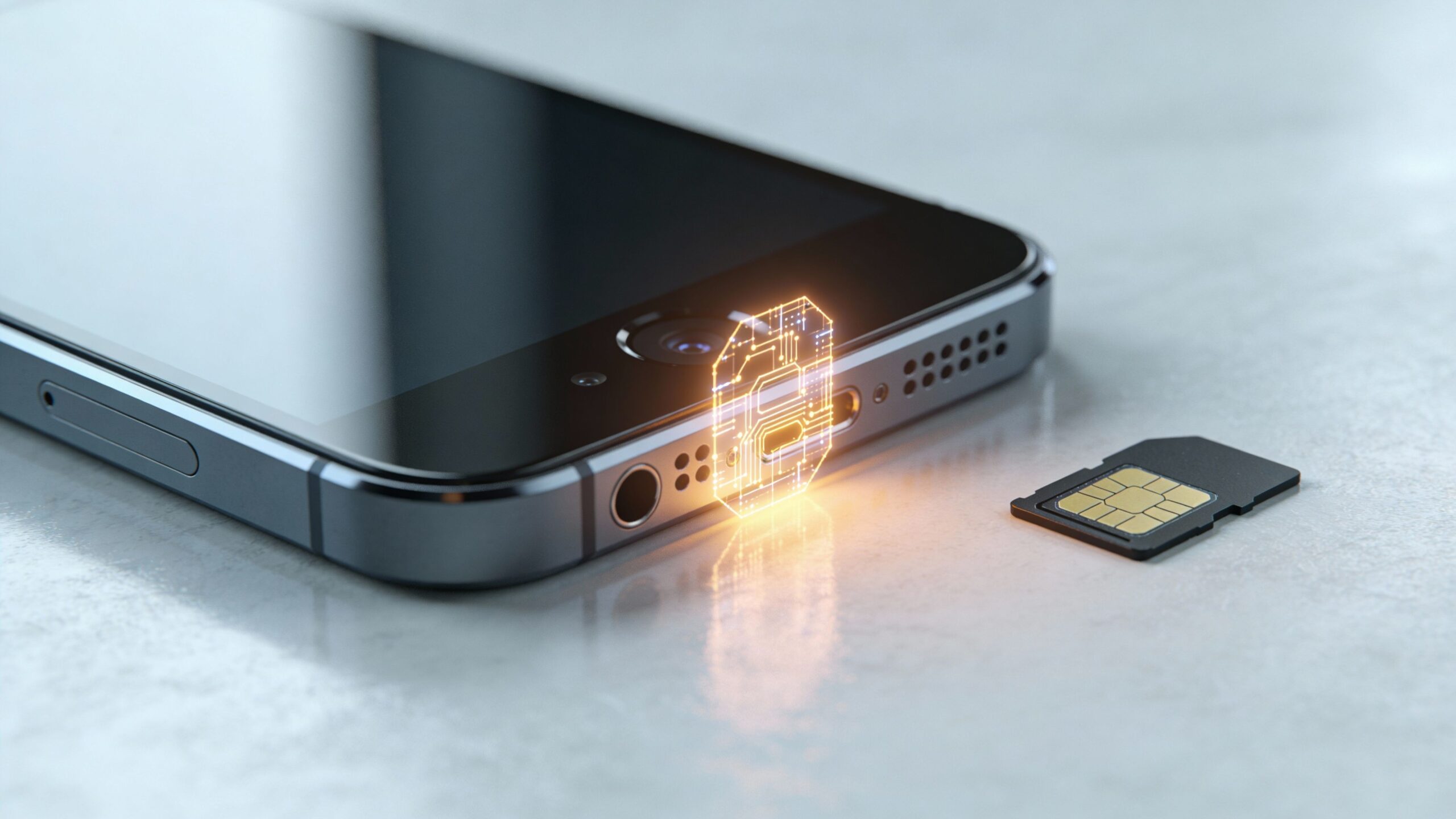
To understand the eSIM, it helps to first understand what a traditional SIM card does. A SIM card stores key information that identifies your device to a mobile network, allowing carriers to authenticate users, manage billing, and deliver service. Over time, SIM cards shrank from credit-card size to micro and nano formats, but the concept remained the same: a removable chip tied to a single carrier profile. The eSIM represents the next step in that evolution by eliminating the physical card altogether. Instead of inserting or swapping plastic, the SIM functionality is embedded into the device’s hardware and controlled through software. This shift reflects a broader trend in technology toward virtualization, where physical components are replaced by flexible digital systems that can be updated instantly.
What Exactly Is an eSIM?
An eSIM is a programmable SIM that lives inside your device from the moment it’s manufactured. Rather than being locked to one carrier, it can store multiple carrier profiles that are downloaded, activated, and switched through software. When you choose a mobile plan, the carrier sends a digital profile to your device, which securely installs and activates it. The process often takes just minutes and doesn’t require visiting a store or waiting for a SIM card in the mail. Because the eSIM is standardized and secure, carriers can remotely provision service while users maintain control over which plans are active. The result is a cleaner, faster, and more flexible way to connect.
How eSIM Technology Actually Works Behind the Scenes
At a technical level, the eSIM operates using secure hardware known as a secure element, which safely stores encryption keys and carrier credentials. When you sign up for a plan, your device communicates with the carrier’s provisioning system over the internet. The carrier then sends an encrypted profile that contains all the information needed to authenticate your device on their network. Once installed, the eSIM functions just like a traditional SIM, enabling calls, messages, and data. The difference is that profiles can be added, removed, or switched without touching the device. This capability is governed by international standards, ensuring compatibility across devices and networks worldwide.
Why eSIMs Are a Game Changer for Users
For everyday users, the biggest advantage of eSIMs is convenience. Switching carriers no longer requires a physical swap, making it easier to compare plans or change providers. Travelers benefit even more, as they can add local or international data plans without hunting for SIM cards at airports or shops. Dual-SIM functionality becomes simpler too, allowing one device to maintain personal and work numbers or combine domestic and international plans seamlessly. Beyond convenience, eSIMs also improve device durability and design. Removing the SIM tray frees up internal space, enabling slimmer designs, larger batteries, and better water resistance. These small gains add up to a noticeably better user experience.
How Carriers and Manufacturers Benefit from eSIM Adoption
The shift to eSIMs isn’t just user-friendly; it also offers major advantages for carriers and device makers. Carriers can onboard customers more efficiently, reducing logistics costs and eliminating physical inventory. Remote provisioning enables instant activation, which improves customer satisfaction and reduces churn. For manufacturers, eSIMs simplify global device production. Instead of creating region-specific models, companies can ship a single device worldwide and let users choose their carrier digitally. This approach streamlines supply chains and accelerates innovation. Over time, these efficiencies help lower costs and expand access to mobile connectivity across emerging markets.
eSIMs Beyond Smartphones: A Connected Future
While smartphones get most of the attention, eSIM technology extends far beyond phones. Tablets, laptops, smartwatches, and even vehicles increasingly rely on embedded connectivity. In cars, eSIMs enable real-time navigation, emergency services, and over-the-air updates without relying on a paired phone. In the Internet of Things, eSIMs allow devices like smart meters, trackers, and industrial sensors to connect globally without manual intervention. This flexibility is crucial for large-scale deployments where physical SIM swaps would be impractical or impossible. As more devices become connected, eSIMs serve as the backbone of a seamless, scalable digital ecosystem.
Security, Privacy, and Reliability in a Digital SIM World
One common concern about eSIMs is security, but in many ways they are more secure than traditional SIM cards. Because the eSIM is embedded and tamper-resistant, it’s harder to remove or clone. Encryption and secure provisioning protocols protect carrier profiles during installation and use. From a privacy standpoint, users maintain control over which profiles are active, and carriers follow strict regulatory standards for data handling. Reliability is also a strong point, as eSIMs reduce mechanical failure points associated with SIM trays and contacts. As mobile networks continue to evolve, the security framework supporting eSIMs is expected to become even more robust.
The Road Ahead: Why eSIMs Are Here to Stay
The rise of eSIMs signals a broader shift toward software-defined connectivity. As networks transition to faster, more flexible technologies, the ability to manage connections digitally becomes essential. While physical SIM cards won’t disappear overnight, their role is steadily shrinking as eSIM adoption grows. For users, this means more freedom, fewer barriers, and easier access to global connectivity. For the industry, it represents a more efficient, scalable, and innovative future. The eSIM may be invisible, but its impact is unmistakable, quietly powering the next generation of connected experiences.