Traveling internationally is one of life’s most exciting experiences, but staying connected abroad can quickly turn into an expensive mistake if you’re not careful. Many travelers assume their phone will work just like it does at home, only to return to a bill filled with unexpected roaming charges. In 2026, however, avoiding those costs is easier than ever—if you understand how to manage your phone properly before and during your trip. Using your phone abroad without paying roaming fees isn’t about going offline. It’s about using smarter tools, better technology, and intentional habits that give you full control over your connectivity. From Wi-Fi strategies to eSIM adoption, travelers today have more options than ever to stay connected affordably, no matter where they go.
A: Turn on airplane mode, then use Wi-Fi or a separate travel eSIM or local SIM for connectivity.
A: Yes, most phones let you turn Wi-Fi back on while airplane mode keeps cellular roaming off.
A: It helps, but calls, texts, voicemail, and background activity can still create issues depending on your setup.
A: Often yes, because it can provide cheaper dedicated data without depending on your home carrier’s roaming rates.
A: Many dual-SIM phones allow that, especially when using eSIM alongside your main line.
A: Not always, since treatment can vary by carrier and settings, so it is worth checking before you travel.
A: Offline maps, airline apps, hotel confirmations, translation tools, and secure messaging apps are great starting points.
A: Yes, maritime networks are often very expensive and separate from normal travel data plans.
A: Wi-Fi-only can work for light users, but a local SIM or eSIM is better for navigation and regular daily use.
A: Check your bill quickly and dispute any unexpected roaming charges as soon as they appear.
Why Roaming Fees Still Catch Travelers Off Guard
Despite the availability of modern solutions, roaming fees continue to surprise travelers because they operate quietly in the background. The moment your phone connects to a foreign cellular network, every action—sending a text, opening an app, refreshing email—can trigger charges. These costs are often calculated per megabyte or per minute, making even small amounts of usage surprisingly expensive.
The real issue is that most smartphones are constantly using data without direct user input. Apps refresh, notifications sync, and cloud services update automatically. When roaming is enabled, this background activity can lead to charges accumulating rapidly, even if you barely touch your phone.
Another reason roaming fees catch people off guard is the lack of transparency. Without a specific international plan, users may not know the exact rates they’re being charged until it’s too late. Understanding this hidden system is the first step toward avoiding it entirely.
Step One: Lock Down Your Phone Settings Before You Travel
The simplest and most effective way to avoid roaming charges is to control your phone’s settings before you leave. Disabling data roaming ensures that your device will not use cellular data on foreign networks unless you manually turn it back on. This single step can prevent the majority of unexpected charges.
Airplane mode is another powerful tool. By enabling airplane mode and then manually turning on Wi-Fi, you can use your phone for internet-based activities without connecting to cellular networks. This gives you full control over when and how your phone accesses data.
Adjusting app settings is equally important. Turning off background data usage, disabling automatic updates, and limiting cloud syncing can significantly reduce unnecessary data consumption. These small adjustments create a controlled environment where your phone only uses data when you intend it to.
Wi-Fi First: The Traveler’s Most Powerful Strategy
Wi-Fi is the foundation of cost-free connectivity while traveling. In 2026, access to Wi-Fi is nearly universal in urban areas, with hotels, cafés, airports, and public spaces offering reliable connections. By prioritizing Wi-Fi usage, you can perform most essential tasks—messaging, navigation, booking services—without using cellular data at all.
Modern apps are designed to work seamlessly over Wi-Fi. Messaging platforms, video calls, and even voice calls can be handled through internet-based services, eliminating the need for traditional carrier networks. This allows you to stay in touch with friends, family, and colleagues without incurring any roaming charges.
Planning ahead enhances this strategy even further. Downloading maps, travel guides, playlists, and important documents before your trip ensures that you can access them offline. This reduces your reliance on real-time data and makes your travel experience smoother and more efficient.
eSIMs and Local SIM Cards: The Smart Alternatives
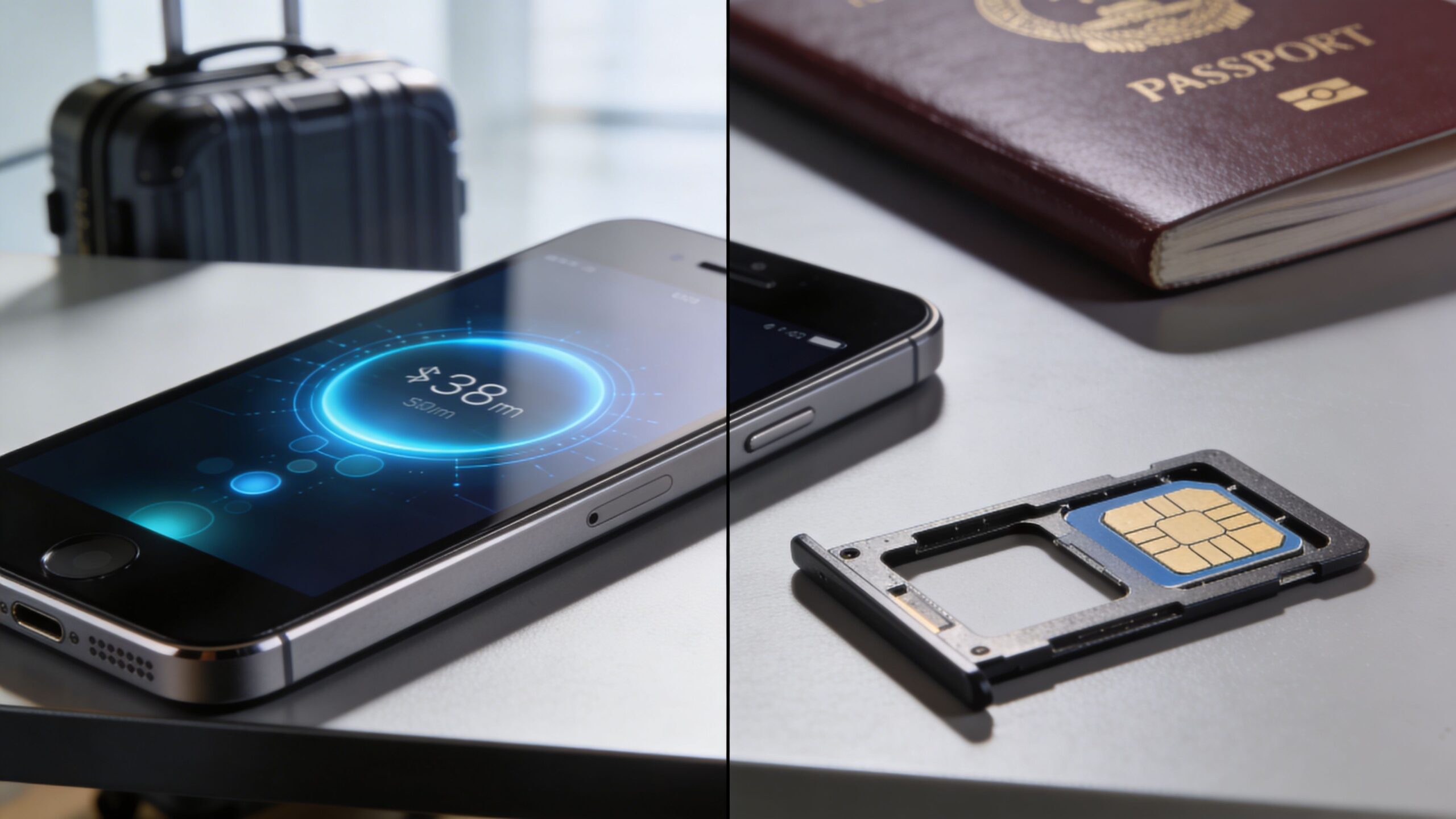
For travelers who need consistent connectivity beyond Wi-Fi, eSIMs and local SIM cards offer powerful alternatives to roaming. eSIM technology allows you to activate a mobile plan digitally, often before you even arrive at your destination. This means you can land in a new country with instant access to affordable data, bypassing roaming charges entirely.
Local SIM cards provide a similar benefit by connecting you directly to a local carrier’s network. These cards are often available at airports, convenience stores, or mobile shops and typically offer competitive pricing for data, calls, and texts. While they require a bit more effort to set up, they can deliver excellent value, especially for longer stays.
Both options give you control over your costs and usage. Instead of relying on your home carrier’s expensive international rates, you’re using local or global plans designed specifically for travelers. This shift in approach is one of the most effective ways to eliminate roaming fees altogether.
Communication Without Cellular Networks
One of the most powerful shifts in modern travel is the move away from traditional cellular communication. Internet-based apps have made it possible to stay connected without using your carrier’s network at all. Messaging apps, video calling platforms, and VoIP services allow you to communicate freely over Wi-Fi or local data plans.
These tools are not only cost-effective but also highly versatile. You can send messages, share photos, make calls, and even conduct business meetings without relying on traditional phone services. For many travelers, this has completely replaced the need for standard calls and texts while abroad.
The key is to ensure that both you and your contacts are using compatible platforms. Once that’s established, communication becomes seamless and virtually free, regardless of your location. This approach transforms your phone into a global communication device that operates independently of roaming systems.
Avoiding Common Mistakes That Lead to Charges
Even with the best intentions, small mistakes can lead to unexpected charges. One of the most common is forgetting to disable voicemail or answering calls from unknown numbers. Incoming calls can incur fees just like outgoing ones, and checking voicemail abroad can also trigger charges.
Another frequent mistake is assuming that limited usage won’t cost much. In reality, even a few minutes of data usage can be expensive under roaming rates. Activities like opening social media apps, loading images, or using navigation tools can consume significant data quickly.
Travelers also sometimes rely on partial solutions, such as turning off data but leaving other services active. True cost control requires a comprehensive approach that includes settings adjustments, alternative connectivity methods, and ongoing awareness of usage.
Monitoring Your Usage in Real Time
Staying informed about your data usage is essential when traveling. Most smartphones include built-in tools that allow you to track how much data you’re using. Resetting these counters at the start of your trip gives you a clear picture of your consumption and helps you stay within your limits.
Carrier apps and notifications can also provide valuable insights. Some services send alerts when you approach certain thresholds, allowing you to adjust your behavior before costs escalate. These tools act as a safety net, ensuring that you remain in control of your connectivity.
In addition to monitoring, setting limits can further protect you. Features like low data mode or data caps restrict how much your phone can use, preventing accidental overages. These safeguards are particularly useful for travelers who want an extra layer of protection against unexpected charges.
A Smarter Way to Travel Connected
Using your phone abroad without paying roaming fees is no longer a complicated or restrictive process. It’s about making informed choices and leveraging the tools available to you. By combining Wi-Fi usage, smart settings, and modern technologies like eSIMs, you can stay connected in a way that is both seamless and affordable. The most successful travelers treat connectivity as part of their overall travel strategy. They plan ahead, adapt to their environment, and use their devices intentionally. This approach not only saves money but also enhances the travel experience by removing unnecessary stress. As global connectivity continues to improve, the barriers between home and abroad are becoming less significant. With the right approach, your phone becomes a reliable companion that supports your journey without adding financial surprises. In 2026, staying connected while traveling isn’t about avoiding technology—it’s about using it wisely.