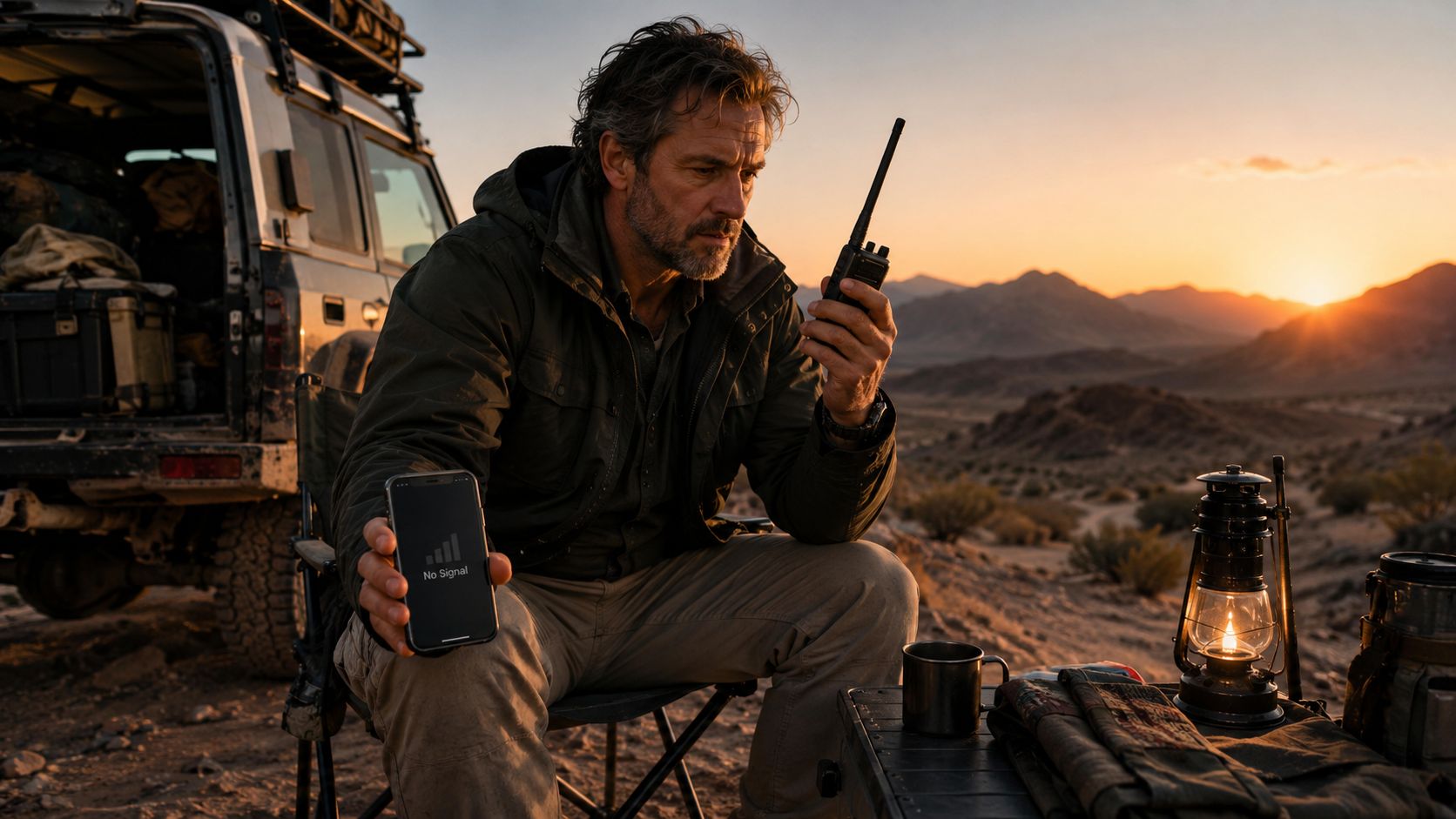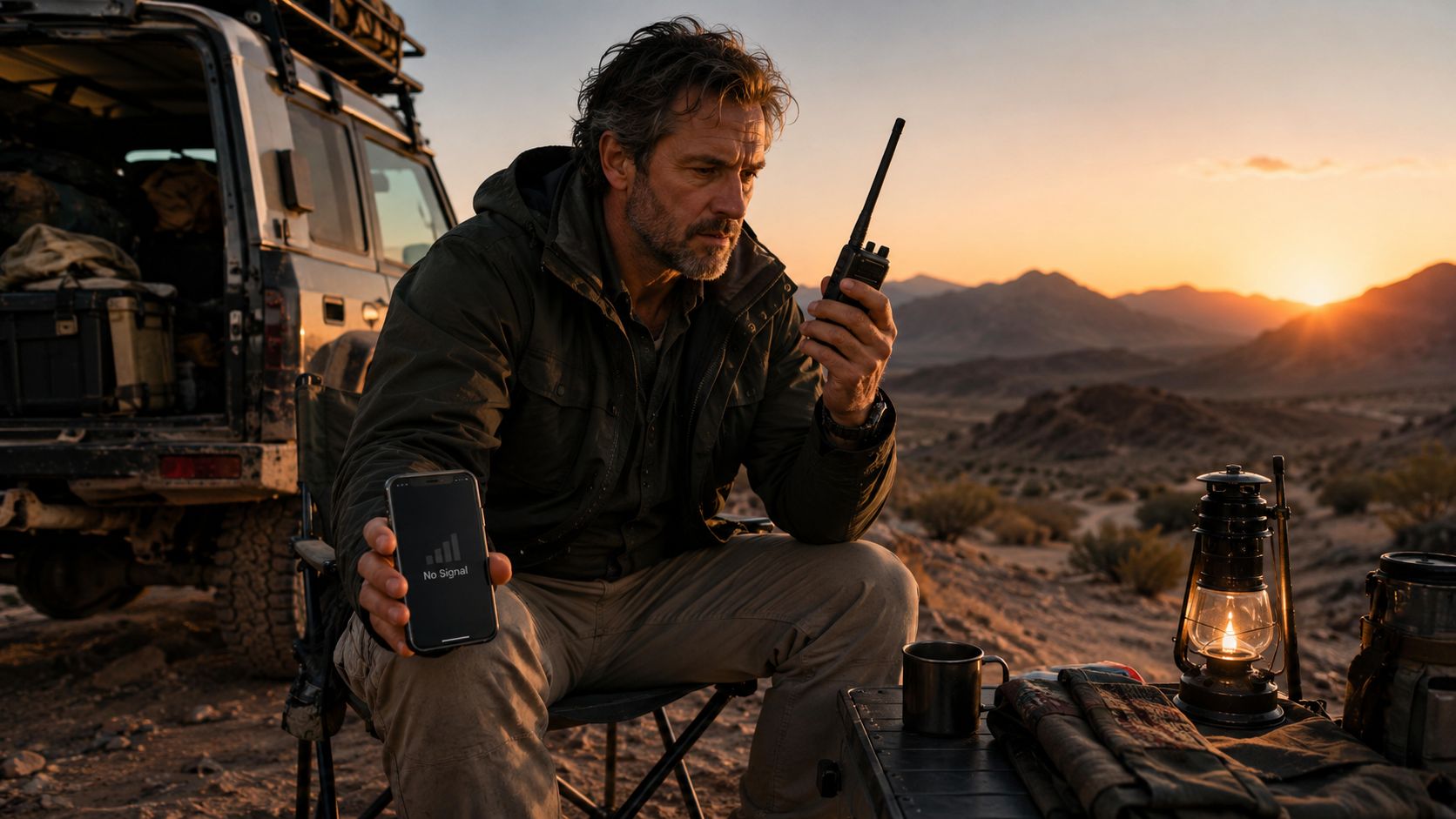
In a world where smartphones have become extensions of daily life, it is easy to assume communication is always available. Cities glow with strong cellular coverage, highways are lined with towers, and even small towns often provide fast mobile internet. Yet the moment travelers, adventurers, emergency responders, or remote workers move beyond developed infrastructure, communication changes completely. Mountains block signals, deserts stretch for miles without towers, forests swallow reception, and oceans create massive communication dead zones. This is where the debate between satellite phones and traditional cell phones becomes more important than ever.
A: For remote communication, yes. For everyday speed, apps, photos, and convenience, cell phones are better.
A: They work in many remote places, but coverage depends on the network, location, sky view, and terrain.
A: Not for most people. It is better as an emergency or expedition communication tool.
A: Usually yes. Most require an active subscription, prepaid airtime, or emergency service plan.
A: Many can send short messages, though typing and delivery may feel slower than normal texting.
A: Traditional satellite phones are limited for data. Cell phones are much better when coverage exists.
A: A smartphone with offline maps plus a satellite phone or satellite messenger for emergency backup.
A: Normal clouds usually are not the biggest issue, but heavy weather, terrain, buildings, and tree cover can interfere.
A: Emergency calling depends on the device, network, region, and service plan, so set up emergency contacts before travel.
A: Cell phones are usually cheaper for daily use, while satellite phones cost more because they serve remote coverage needs.
How Cell Phones Dominate Modern Communication
Traditional cell phones transformed society because they made communication instant, portable, and affordable. Every smartphone connects to nearby cellular towers that relay data through massive terrestrial networks. In populated areas, this system works incredibly well. Calls are clear, mobile internet is fast, and apps provide endless services ranging from navigation to video streaming.
The greatest advantage of cell phones is convenience. Nearly everyone already owns one, understands how to use it, and relies on it daily. Modern smartphones combine communication, mapping, photography, entertainment, and internet access into a single compact device. Cellular providers continue expanding their networks, improving speeds through 5G infrastructure and wider rural coverage.
For people who remain within developed regions, cell phones are almost always the best option. Costs are lower than satellite communication, devices are more powerful, and data speeds are significantly faster. Smartphones also support apps that make travel safer, including weather monitoring, GPS navigation, and emergency alerts.
However, cell phones have a major weakness that becomes painfully obvious in remote environments. They rely entirely on infrastructure. If a tower is too far away, damaged, overloaded, or blocked by terrain, communication disappears instantly. In off-grid conditions, the most advanced smartphone in the world can become little more than a camera and offline map device.
This limitation explains why many wilderness professionals and remote travelers never rely solely on cellular communication when entering isolated areas. The farther someone moves away from civilization, the more fragile cell service becomes.
The Satellite Phone Revolution in Remote Communication
Satellite phones operate using an entirely different communication philosophy. Instead of connecting to nearby towers, they communicate directly with satellites orbiting above the Earth. This eliminates dependence on local infrastructure and allows communication in areas where cellular networks simply do not exist.
For decades, satellite phones were bulky, expensive devices primarily used by governments, military operations, and expedition teams. Modern technology has transformed them into more compact, efficient tools designed for broader public use. Although still more specialized than smartphones, today’s satellite phones provide reliable voice calls, text messaging, GPS functionality, and emergency communication across enormous portions of the planet.
The biggest advantage of satellite phones is coverage. Remote mountains, deserts, oceans, tundra, and isolated wilderness regions often have no cell service at all, yet satellite devices can still maintain communication. This makes them invaluable during emergencies, natural disasters, and survival situations.
Satellite phones are especially important because disasters often destroy terrestrial infrastructure first. Hurricanes knock down towers, earthquakes sever communication lines, and wildfires isolate entire regions. During these moments, satellite systems frequently remain operational because they depend on orbital networks rather than local ground infrastructure.
Another growing advantage is global accessibility. International travelers moving through remote countries may encounter inconsistent cellular networks, expensive roaming fees, or unreliable infrastructure. Satellite communication bypasses these issues entirely by offering coverage across multiple continents and oceans.
Despite these benefits, satellite phones are not perfect. Devices are usually more expensive, service plans cost more, and call quality can occasionally feel less smooth than traditional cellular communication. They also require a relatively clear line of sight to the sky, meaning dense buildings, caves, and deep canyons can interfere with performance.
Performance in Wilderness and Extreme Terrain
The true comparison between satellite phones and cell phones becomes clear in wilderness environments. Terrain plays a massive role in communication reliability, and remote landscapes challenge both technologies in different ways.
Cell phones struggle when mountains, forests, and distance interfere with tower signals. Even if a tower technically exists within range, terrain can block transmission completely. A person standing in a valley may lose service while someone on a nearby ridge maintains a connection. Weather can also weaken cellular performance in remote regions where infrastructure is already sparse.
Satellite phones thrive in areas without infrastructure but require open visibility to the sky. Dense jungle canopies, steep canyon walls, and heavy urban environments may interrupt connections temporarily. In open deserts, oceans, tundra, and alpine regions, satellite devices often outperform cell phones dramatically because there are no towers to depend on in the first place.
This distinction matters enormously for outdoor enthusiasts. A backpacker crossing remote mountain ranges may find cellular coverage inconsistent and unreliable. A sailor navigating offshore waters may lose all cell service within a short distance from land. Hunters deep in national forests may discover their phones become useless once terrain blocks nearby towers.
Satellite communication provides reassurance in these situations because it offers independence from local infrastructure. For expedition teams, rescue crews, and survival-focused travelers, that independence can become life-saving.
Battery performance is another major factor. Smartphones consume significant power through apps, background activity, and high-resolution screens. Satellite phones are usually simpler devices optimized for communication efficiency, which can result in longer standby times during emergencies. When power sources are limited, this advantage becomes extremely valuable.
Emergency Preparedness and Survival Communication
Few situations reveal the importance of reliable communication more clearly than emergencies. Whether facing a medical crisis in the wilderness or surviving a large-scale natural disaster, the ability to contact help can determine outcomes within minutes.
Cell phones are excellent emergency tools when infrastructure remains functional. Modern smartphones provide GPS coordinates, emergency SOS features, weather alerts, and internet access that can guide people toward safety. Many newer phones also include limited satellite-based emergency messaging features, signaling an important shift in communication technology.
However, emergencies frequently occur where cellular networks fail. Wildfires, hurricanes, floods, and earthquakes can disable towers or overload networks with traffic. Remote accidents may happen far outside coverage zones. In these moments, traditional phones may lose effectiveness entirely.
Satellite phones excel because they provide a direct path to communication even when infrastructure collapses. Rescue coordination becomes possible from isolated regions, and emergency services can receive accurate location information from areas unreachable by standard networks.
Search-and-rescue teams often rely heavily on satellite communication because operations commonly occur in regions with poor infrastructure. Climbers stranded in remote mountain ranges, sailors facing storms offshore, and explorers crossing isolated terrain frequently depend on satellite devices during critical moments.
Preparedness experts increasingly recommend satellite communication tools for people traveling into dangerous or remote environments. While smartphones remain essential daily devices, satellite systems create an additional safety layer that functions independently from vulnerable infrastructure.
The psychological benefit is significant as well. Knowing communication remains possible in isolated regions reduces stress and improves decision-making during emergencies. People who feel connected are often calmer and better able to coordinate solutions under pressure.
Cost, Accessibility, and Practical Everyday Use
One of the largest barriers to satellite phone adoption remains cost. Smartphones are mass-market products produced at enormous scale, making them relatively affordable. Cellular plans are also highly competitive, offering unlimited talk, text, and data for reasonable monthly pricing.
Satellite phones operate in a more specialized market. Devices themselves often cost hundreds or thousands of dollars, and airtime plans can be expensive compared to traditional mobile service. Calls are usually billed by the minute, and data capabilities are far more limited than smartphone internet connections.
For average daily users living within cities and suburbs, satellite phones simply do not make financial sense as primary communication devices. Smartphones deliver vastly more functionality at lower cost.
However, the equation changes for people who regularly travel beyond cellular infrastructure. Expedition leaders, overlanders, commercial fishermen, remote contractors, geologists, wilderness guides, and offshore workers may view satellite communication as essential equipment rather than a luxury purchase.
Rental services have also made satellite communication more accessible. Travelers embarking on temporary adventures can rent devices for expeditions, road trips, or wilderness travel without purchasing expensive hardware outright. This flexibility has expanded access significantly in recent years.
Another important development is hybrid technology. Several companies are now integrating satellite connectivity into smartphones themselves. Emergency satellite texting features and low-bandwidth communication systems are beginning to blur the line between traditional cell phones and satellite devices.
This trend suggests the future of communication may not involve choosing one technology over another. Instead, smartphones may gradually absorb more satellite functionality, creating hybrid systems capable of operating both within cellular networks and beyond them.
Which Device Wins for Different Off-Grid Lifestyles
Choosing between satellite phones and cell phones ultimately depends on how and where communication is needed. Different lifestyles create entirely different requirements.
For urban users and casual travelers, traditional smartphones remain the clear winner. They are faster, cheaper, more versatile, and deeply integrated into everyday life. Most people rarely travel beyond reliable coverage areas, making satellite communication unnecessary for routine use.
For outdoor adventurers, the decision becomes more nuanced. Day hikers near populated regions may only need a smartphone paired with offline maps and emergency apps. Multi-day backpackers crossing remote terrain may benefit from satellite communication as an emergency backup.
Overlanders and van lifers traveling through isolated deserts, forests, and mountain regions increasingly adopt satellite systems for security and navigation support. Offshore sailors and remote pilots often view satellite communication as mandatory equipment rather than optional technology.
Emergency preparedness enthusiasts also favor satellite devices because they remain operational when disasters damage terrestrial infrastructure. In large-scale emergencies, independent communication networks become critically valuable.
Professionals working in isolated environments almost always prioritize satellite reliability over smartphone convenience. Mining crews, energy workers, wildlife researchers, and remote filmmakers frequently operate in regions where cell service is nonexistent.
Ultimately, neither technology completely replaces the other. Smartphones dominate daily life because they excel within developed infrastructure. Satellite phones dominate isolation because they function beyond infrastructure entirely.
The Future of Off-Grid Connectivity
The next decade will likely transform communication more dramatically than the previous twenty years combined. Technology companies and satellite providers are racing to merge cellular convenience with satellite resilience. This convergence is already beginning through emergency satellite messaging features appearing in flagship smartphones.
Low Earth orbit satellite networks are expanding rapidly, creating opportunities for faster global communication with lower latency. These systems may eventually allow ordinary smartphones to connect directly to satellites without requiring specialized devices. If this vision becomes reality, off-grid communication could become far more accessible to mainstream consumers.
At the same time, traditional cellular networks continue expanding deeper into rural regions. Towers are reaching previously underserved communities, reducing some communication gaps. Yet enormous portions of the Earth will likely remain beyond practical cellular infrastructure for decades to come.
Climate change and increasing natural disasters also reinforce the importance of resilient communication systems. Emergency preparedness is becoming a larger priority for governments, businesses, and individuals alike. Communication redundancy will play a major role in future survival planning.
The growing popularity of remote lifestyles further accelerates demand. More people are traveling, working remotely, exploring wilderness regions, and living outside traditional urban centers. Reliable off-grid communication is no longer a niche concern reserved for extreme adventurers.
The future will probably belong to hybrid systems that combine the strengths of both technologies. Smartphones may maintain fast cellular connectivity in populated regions while automatically switching to satellite communication when towers disappear. This seamless transition could eliminate one of the greatest limitations in modern communication.
Staying Connected Beyond Civilization
Satellite phones and cell phones represent two entirely different approaches to communication. One thrives inside infrastructure-rich environments filled with towers, fast internet, and dense populations. The other exists specifically to overcome the absence of infrastructure and maintain communication in the world’s most isolated regions. For everyday life, smartphones remain unmatched in convenience, affordability, and functionality. They power modern society and connect billions of people instantly across cities and communities. Yet their greatest weakness emerges the moment infrastructure disappears. Satellite phones fill that gap by providing communication independence. In wilderness environments, disaster zones, offshore waters, and remote terrain, they offer reliability where cellular networks often fail. Their value is measured less by convenience and more by resilience. As technology evolves, the line between these devices will continue blurring. Satellite-enabled smartphones and expanding orbital networks are creating a future where off-grid communication becomes more accessible than ever before. Still, understanding the differences between these technologies remains essential for anyone venturing beyond civilization. In the end, the best communication tool depends entirely on where the journey leads. For some people, a smartphone is more than enough. For others crossing deserts, climbing mountains, navigating oceans, or preparing for emergencies, satellite communication becomes a lifeline stretching far beyond the reach of ordinary cell towers.