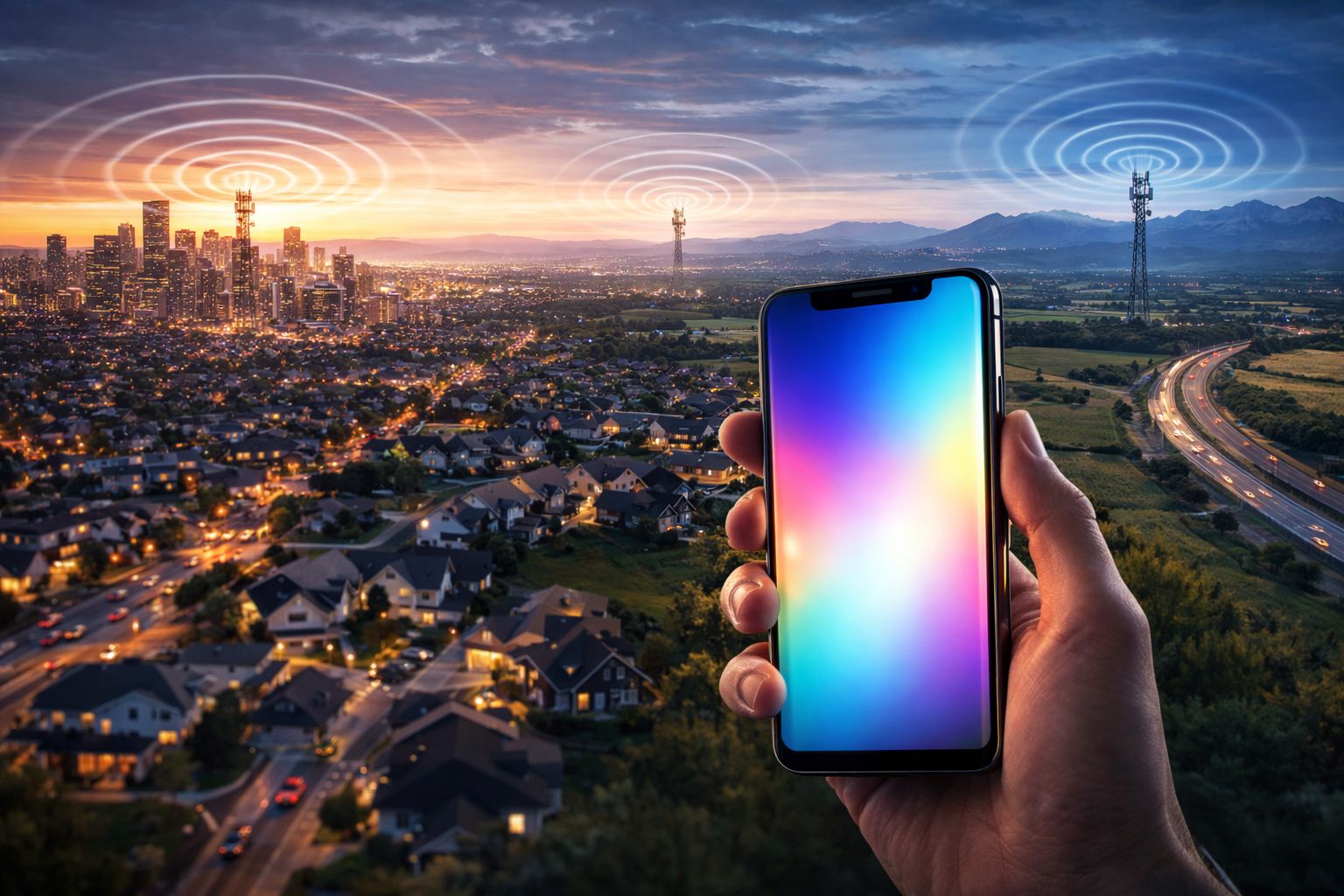
Choosing a wireless carrier used to be simple. You walked into a store, picked one of the big national names, signed a contract, and walked out with a subsidized phone. Today, the landscape is far more complex. Alongside major carriers like Verizon, AT&T, and T-Mobile, dozens of smaller providers known as MVNOs compete for your business with lower prices and flexible plans. If you are wondering whether to choose a major network carrier or an MVNO, you are not alone. The answer depends on what you value most: nationwide priority access, bundled perks, and premium customer support, or affordable pricing, simplicity, and contract-free flexibility. Both options use the same underlying networks in many cases, but the experience can feel very different. This guide breaks down what major carriers and MVNOs actually are, how they compare in coverage, speed, pricing, and features, and how to decide which one fits your lifestyle.
A: Often similar, because they use the same towers, but roaming and priority rules can create real differences.
A: Deprioritization during congestion, speed caps, or video throttles can reduce real-world performance.
A: Yes for many people—especially in low-to-moderate congestion areas. Heavy hotspot users should read limits carefully.
A: Not necessarily—many MVNOs include 5G, but some may limit premium 5G tiers or apply speed caps.
A: Usually. If you don’t need premium perks, financing, or top priority, MVNO pricing can be a big win.
A: If you live in a congested city, need lots of hotspot, travel often, or want device deals and in-store support.
A: Yes—number porting is standard. Just keep your old line active until the port completes.
A: Many do, but device compatibility varies more than with majors—check your exact phone model first.
A: Pick the best underlying network where you live, then compare plans by priority, hotspot, and total monthly cost.
A: No—MVNO value depends on which major network they use and how your area behaves at peak times.
What Is a Major Carrier?
Major carriers are the companies that own and operate their own nationwide wireless infrastructure. In the United States, the three largest are Verizon, AT&T, and T-Mobile. These companies purchase spectrum licenses, build cell towers, deploy network equipment, and maintain the core systems that power voice, text, and data services.
When you sign up directly with a major carrier, you are connecting to the network owner. That often comes with certain advantages. Major carriers typically prioritize their own customers during periods of congestion. They also offer premium unlimited plans, device financing options, international roaming packages, and bundled services such as home internet or streaming subscriptions.
Major carriers invest billions annually into network expansion, 5G upgrades, and rural coverage improvements. As a result, they often lead in coverage depth and advanced network features. If you want access to the latest 5G technology layers as soon as they launch, major carriers are usually first in line.
However, that infrastructure ownership comes at a cost. Major carrier plans tend to be more expensive, particularly at the premium unlimited tier.
What Is an MVNO?
An MVNO, or Mobile Virtual Network Operator, does not own its own wireless network infrastructure. Instead, it leases access to a major carrier’s network and resells service under its own brand.
Popular MVNOs operate on the same networks as the major carriers. For example, some run on Verizon’s network, others on AT&T’s or T-Mobile’s. From a technical standpoint, your phone may connect to the exact same towers whether you are on a major carrier or an MVNO.
The difference lies in the business model. MVNOs purchase network capacity wholesale and offer plans at lower prices by reducing overhead, limiting physical retail stores, simplifying customer support, and often excluding premium perks.
MVNO plans are typically prepaid, contract-free, and straightforward. You pay for a set amount of data or an unlimited tier at a lower monthly cost. For budget-conscious users, students, families, and light data users, this pricing model can be extremely appealing.
Coverage: Is There Really a Difference?
One of the biggest misconceptions in the major versus MVNO debate is that coverage will be completely different. In many cases, coverage maps are nearly identical because MVNOs use the same underlying network infrastructure as the major carrier they partner with.
If an MVNO operates on Verizon’s network, your device connects to Verizon towers. If it runs on AT&T’s network, you use AT&T’s infrastructure. On paper, that means the geographic footprint is the same.
However, there can be subtle differences. Some MVNO plans may not include domestic roaming agreements that the major carrier offers. In extremely rural or fringe areas where roaming partnerships fill coverage gaps, a major carrier customer may have an edge.
Additionally, priority levels can matter. During times of heavy congestion, such as concerts, sporting events, or busy urban rush hours, major carrier customers on premium plans may receive higher network priority. MVNO customers may experience slower speeds if the network is crowded.
For most everyday users in normal conditions, coverage will feel similar. But in high-demand scenarios, differences can appear.
Speed and Data Priority: The Hidden Variable
Speed is where the distinction becomes more nuanced. Major carriers often differentiate their plans by priority level. Premium unlimited plans typically receive higher priority on the network, while basic unlimited plans may be deprioritized after a certain data threshold.
MVNO customers generally fall into lower priority categories compared to premium major carrier subscribers. This does not mean your speeds will always be slow. In areas with low congestion, performance can be nearly identical.
The difference shows up when networks are busy. If hundreds of users are connected to the same tower, the network may allocate bandwidth first to higher-priority subscribers. In those moments, MVNO users might see slower download speeds or higher latency.
If you live in a densely populated city or frequently attend high-traffic events, priority access can make a noticeable difference. If you live in a suburban or rural area with less congestion, the performance gap may be minimal.
Understanding this distinction is critical. The network is the same, but your place in line may not be.
Pricing and Value: Where MVNOs Shine
Pricing is where MVNOs typically dominate the conversation. Because they do not maintain nationwide infrastructure or large retail footprints, MVNOs can offer lower monthly rates.
Many MVNO plans provide unlimited talk and text with a moderate data allowance at significantly lower costs than major carrier equivalents. Even unlimited MVNO plans often undercut premium major carrier pricing.
For families, this difference can add up quickly. A household with four lines may save hundreds of dollars per year by choosing an MVNO.
However, major carriers bundle value differently. Premium plans may include international roaming benefits, mobile hotspot allowances, streaming service subscriptions, device upgrade programs, and loyalty discounts. If you take advantage of these extras, the price gap may narrow.
The real question becomes whether you need those premium features. If you primarily use Wi-Fi at home and work and rely on moderate cellular data, an MVNO may provide excellent value. If you travel frequently, use large amounts of hotspot data, or want early access to the newest devices with financing options, a major carrier may justify the higher cost.
Customer Support, Stores, and Experience
Another difference between major carriers and MVNOs lies in customer experience. Major carriers operate physical retail stores across the country. You can walk in, speak to a representative, troubleshoot device issues, and receive in-person assistance.
MVNOs typically operate online or through limited retail partnerships. Customer support is often digital-first, with chat, email, or phone assistance. For tech-savvy users comfortable managing accounts online, this is rarely a problem. For others who prefer in-person help, it may feel limiting.
Device financing is also more common with major carriers. If you prefer to spread the cost of a new smartphone over 24 or 36 months, major carriers often make that process seamless. MVNOs sometimes require you to purchase devices outright.
That said, MVNO onboarding is usually simpler. There are fewer contracts, fewer add-ons, and less complexity in billing structures. For many consumers, that simplicity is refreshing.
Who Should Choose a Major Carrier?
Major carriers are ideal for users who prioritize performance consistency, premium network access, and bundled features. If you frequently travel internationally, rely heavily on mobile hotspot data, or demand the highest priority speeds in congested areas, a major carrier’s premium plan may offer peace of mind.
Business professionals, heavy data users, and households that want bundled wireless and home internet services often find value in sticking with a major provider. Access to physical stores and device upgrade programs also adds convenience.
If network priority during peak times matters to you, especially in urban environments, a major carrier may be the safer choice.
Who Should Choose an MVNO?
MVNOs are perfect for budget-conscious consumers who want reliable service without paying for extras they rarely use. Students, retirees, families managing multiple lines, and light-to-moderate data users often benefit most from MVNO pricing.
If you primarily use Wi-Fi at home and work, rarely attend crowded events, and do not need premium perks, an MVNO can deliver nearly identical everyday performance at a lower monthly cost.
MVNOs also appeal to users who prefer prepaid flexibility. Without long-term contracts or complex upgrade cycles, switching plans or providers is easier.
For many Americans, especially in suburban and small-town areas with stable coverage and limited congestion, an MVNO represents a smart balance between cost and performance.
The Final Verdict: It’s About Priorities, Not Just Price
The choice between a major carrier and an MVNO is not about which one is universally better. It is about aligning your network with your lifestyle. Major carriers offer infrastructure ownership, priority access, advanced features, and broad support ecosystems. MVNOs offer affordability, simplicity, and access to the same towers without the premium markup. In practical terms, the coverage difference is often smaller than people expect. The biggest distinctions emerge during congestion, in premium feature availability, and in pricing structures. Before deciding, evaluate your monthly data usage, travel habits, budget, and preference for in-person support. Consider testing a prepaid MVNO plan if you are unsure. In many cases, you may discover that you can lower your bill without sacrificing meaningful performance. In the end, the best carrier is the one that keeps you connected at a price you are comfortable paying. Whether that means the stability of a major network owner or the value-driven flexibility of an MVNO, the power to choose has never been greater.