
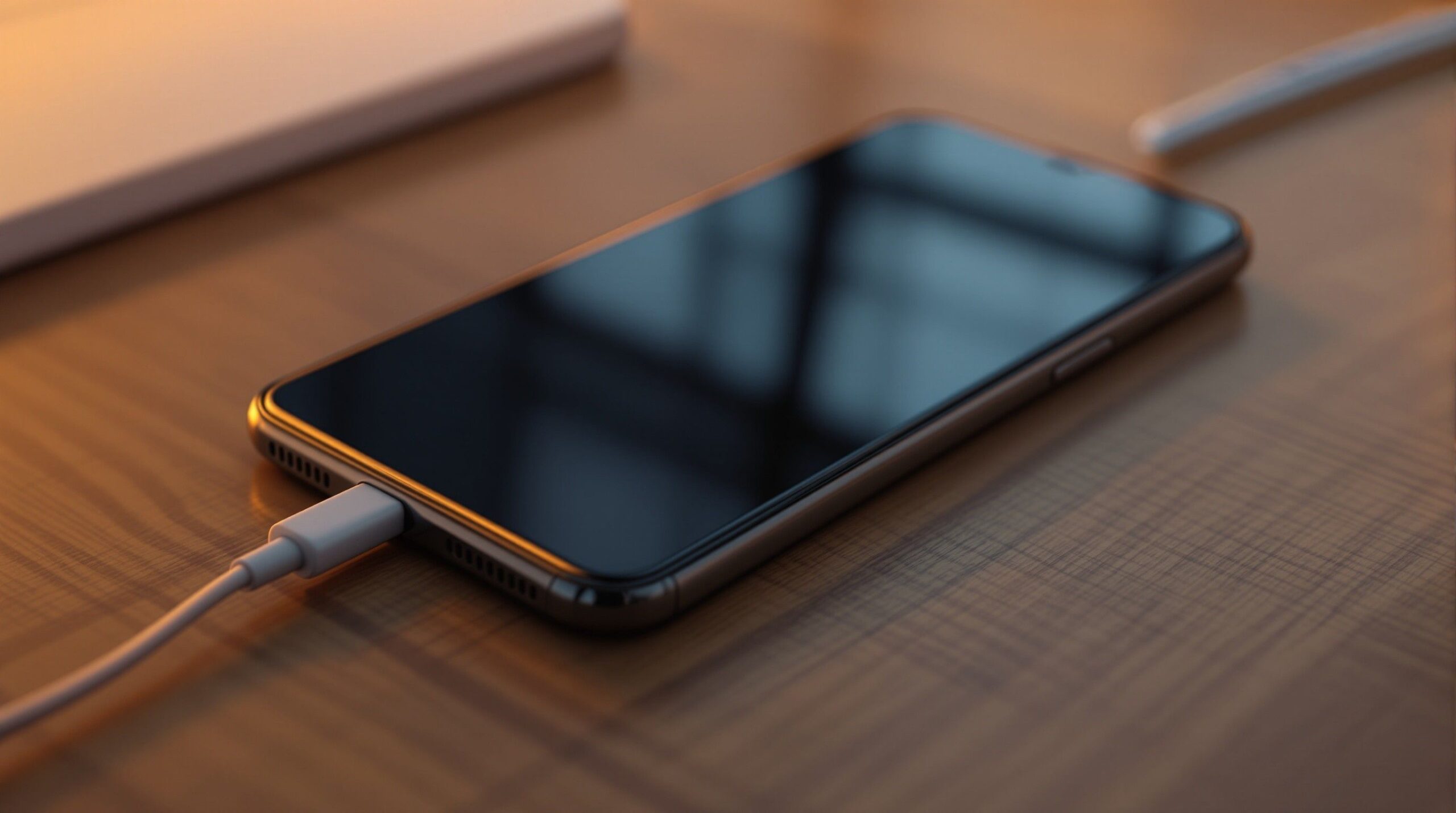
In the modern world, our lives orbit around one device—the smartphone. It wakes us up, guides us to our destinations, connects us with loved ones, and entertains us endlessly. Yet one invisible force determines its usefulness: the battery. The evolution of mobile batteries has been astonishing, but so has the confusion surrounding them. Myths about charging habits, overnight plugging, and performance degradation circulate everywhere, leaving users wondering what’s really true. The truth about mobile battery longevity is both scientific and practical. It’s a story of chemistry, design, and user behavior converging to shape how long our devices last. Understanding this helps you not only extend the life of your battery but also gain insight into one of the most critical—and misunderstood—technologies of our time.
A: With optimized charging and good thermal control, it’s fine.
A: Not necessary daily; 80–90% is gentler for long-term health.
A: No—going to 0% stresses cells; occasional meter calibration is different.
A: Quality PD/PPS systems manage heat and taper—safe when designed well.
A: Constantly force-closing can backfire; let the OS manage.
A: Wired is more efficient; wireless adds heat—use stands/ventilation.
A: 20–30W PD covers most phones quickly without excess heat.
A: Recalibration can change the estimate; watch long-term trends.
A: Remove case, use a cooler room, or pause charge if supported.
A: Around 70–80% health or when shutdowns and short runtime appear.
Inside the Heart of a Smartphone: How Batteries Really Work
Every smartphone battery is a marvel of compact energy storage. The vast majority use lithium-ion or lithium-polymer technology—tiny chemical powerhouses that store and release energy through controlled reactions. Within their slim enclosures, ions move between electrodes through an electrolyte solution, generating the electricity that powers your device.
But here’s the catch: this chemical dance isn’t infinite. Each charge cycle—every time you go from empty to full—gradually wears down the battery’s capacity. Over hundreds of cycles, the materials degrade, leading to shorter battery life. What was once a full day of power eventually becomes half. Manufacturers design modern batteries to balance performance, size, and safety. The more compact a phone becomes, the less room it has for large cells. That’s why optimization and smart software management play such crucial roles in longevity. Every background app, brightness setting, and notification affects how much energy flows through those microscopic circuits—and ultimately, how long your battery will last before it begins to fade.
The Myth of the Full Charge: Why 100% Isn’t Always Best
For years, people believed that fully charging their phones was a sign of good battery maintenance. In reality, constantly hitting 100% can stress the battery over time. Lithium-ion batteries don’t appreciate extremes—either full depletion or maximum capacity. These conditions accelerate chemical aging, reducing long-term health.
Ideally, the sweet spot for battery preservation is keeping it between 20% and 80%. At this range, the internal voltage stays balanced, minimizing stress on the electrodes. Some smartphones, including recent models from Apple, Samsung, and Google, now include adaptive charging systems that learn your habits. They delay that final top-up until right before you wake or unplug, protecting the battery from unnecessary strain.
Leaving your phone plugged in overnight isn’t inherently harmful thanks to these safeguards, but it does generate heat—a silent enemy of longevity. Warm environments or high workloads while charging (like gaming or video streaming) can push temperatures beyond safe limits, subtly degrading the battery with each cycle. The next time you charge, think moderation: slow, steady, and cool wins the race.
Heat: The Silent Battery Killer
Among all the factors that affect battery life, heat is the most destructive. It’s not just about feeling your phone get warm during use—it’s about what’s happening inside. Excessive heat accelerates chemical reactions within the cell, leading to swelling, reduced capacity, and sometimes even failure. Phones generate heat through several channels: high-performance gaming, intensive apps, camera use, and charging. Environmental heat also plays a major role; leaving your phone in a hot car or under direct sunlight can be disastrous. Once internal temperatures exceed 95°F (35°C), damage begins to accumulate quickly. Manufacturers have introduced advanced thermal management systems to mitigate this—using graphite sheets, vapor chambers, and AI-driven cooling algorithms. Still, the simplest way to protect your phone is awareness. Avoid covering it while charging, give it breathing room, and resist the urge to use demanding apps when it’s plugged in. Cool conditions aren’t just comfortable for you—they’re vital for your battery’s health.
Fast Charging: Convenient but Complex
Fast charging has become one of the most celebrated innovations in mobile technology. The promise of 50% charge in 15 minutes feels like magic, but there’s science behind that speed—and trade-offs to consider.
Fast charging works by increasing the voltage and current flowing into the battery. While this provides an instant power boost, it also generates additional heat and chemical stress. Most phones manage this carefully through charging protocols that adjust the current dynamically to prevent overheating. However, frequent use of ultra-fast charging—especially with non-certified cables or third-party adapters—can accelerate wear.
The safest approach is balance. Use fast charging when you need it most—before a commute or a trip—but rely on regular or wireless charging for everyday use. Modern batteries are designed to handle the occasional rush of power, but longevity thrives on moderation. As with most things in technology, convenience and caution go hand in hand.
Software Optimization: The Invisible Guardian of Battery Health
Hardware gets the attention, but software quietly determines how efficiently your battery performs. Every app running in the background, every notification ping, and every screen-on second consumes energy. Manufacturers and developers now integrate intelligent systems that analyze your habits, reducing power consumption when it’s not needed.
Adaptive battery features, found in Android and iOS devices, monitor usage patterns and allocate resources accordingly. If you rarely open an app, the phone limits its background activity. Display technologies like OLED panels also help by turning off individual pixels to save power, while dark mode reduces strain on both eyes and energy. Operating system updates often refine these optimizations, so keeping your device up to date is essential. Similarly, manually managing settings—like lowering screen brightness, shortening auto-lock time, and disabling unnecessary background syncing—extends both daily life and overall battery longevity. Think of your smartphone as an orchestra: software conducts the energy, ensuring every instrument plays in harmony.
The Aging Battery: What Decline Really Looks Like
No matter how carefully you treat it, every battery has a lifespan. After about 500 complete charge cycles, most lithium-ion batteries begin to show noticeable decline. That means your device may still function well, but the battery won’t hold as much energy as it once did. You’ll notice faster drain, longer charging times, and occasional shutdowns at higher percentages. Modern operating systems now include built-in diagnostics to monitor battery health. iPhones display maximum capacity and recommend replacements when necessary, while Android devices use third-party apps or hidden settings to estimate wear levels. These tools provide transparency, helping users make informed decisions rather than guessing.
Replacing a battery is far cheaper than replacing an entire phone, and doing so can breathe new life into an aging device. Unfortunately, some ultra-slim designs make battery replacement difficult, encouraging users to upgrade instead. That’s why sustainability and right-to-repair movements are pushing for accessible maintenance options—because the longer your phone lasts, the less environmental impact it creates.
The Future of Battery Innovation
While lithium-ion has served us well, the next generation of mobile power promises to be revolutionary. Researchers are experimenting with solid-state batteries, which replace liquid electrolytes with solid materials. This innovation offers higher energy density, faster charging, and dramatically improved safety. They also degrade more slowly, extending usable lifespans far beyond what we see today.
Other advances include graphene-based batteries, which conduct electricity more efficiently and resist overheating, and silicon-anode designs that increase capacity without sacrificing durability. Wireless charging will also continue evolving, becoming faster and more efficient with less heat loss.
Artificial intelligence is shaping the future too. Smart systems will predict your charging habits, adjust voltages in real time, and even recommend ideal usage patterns for optimal longevity. The result will be devices that charge faster, last longer, and age gracefully—delivering true sustainability through smarter science.
Longevity as a Lifestyle: Taking Charge of Your Power
Ultimately, extending your phone’s battery life isn’t about rigid rules—it’s about balance. Small daily habits can yield big results. Avoid excessive heat, don’t chase 100% every charge, and let your phone’s software manage energy intelligently. Consider the rhythm of your day—charge slowly when you can, top up when you must, and keep an eye on signs of aging. Our relationship with batteries mirrors our relationship with energy itself. It’s about using power wisely, not constantly demanding more of it. As mobile technology continues to advance, longevity will depend less on chemistry and more on behavior. Awareness, care, and moderation will always outlast shortcuts. In the end, the truth about mobile battery longevity is both scientific and personal. It’s a partnership between design and discipline—a balance between power and patience. When treated right, your battery doesn’t just last longer; it performs better, stays safer, and helps your device live its best digital life. Every charge becomes more than just electricity—it becomes a promise of endurance, efficiency, and the future of energy in your hand.


