Before the world embraced smartphones, streaming, and high-speed mobile connectivity, there was a quieter, more foundational transformation unfolding beneath the surface. The leap from 1G to 2G was more than just a technological upgrade—it was the moment when wireless communication stopped being a novelty and began its journey toward becoming the center of modern human life. The arrival of 2G didn’t just improve call quality or network reliability; it rewrote the rules of what mobile networks could be. It introduced the world to digital transmission, text messaging, real encryption, and scalable cellular systems that could support millions of people simultaneously. In many ways, 2G wasn’t just an iteration; it was the true birth of mobile as we know it.
A: 1G used analog voice; 2G digitized everything, improving clarity, capacity, and enabling SMS and better security.
A: The first commercial 2G GSM networks launched in the early 1990s, starting in Europe and quickly spreading worldwide.
A: Base 2G was built for voice, with very low data rates; later upgrades like GPRS/EDGE boosted speeds to a few hundred kbps at best.
A: The limit came from how much text fit into existing signaling messages without redesigning the whole control channel.
A: Yes, but just barely. Think simple email, news headlines, and WAP pages—not today’s rich apps or streaming video.
A: Operators refarm old 2G spectrum for newer 4G/5G, while keeping only minimal support for legacy devices where needed.
A: In some markets, legacy M2M/IoT devices, alarms, and older cars still use 2G modems for basic connectivity.
A: It was more secure than 1G, but aging ciphers and weak configurations later became vulnerable to advanced attackers.
A: It normalized SIM identity, roaming, mobile data, and messaging—core ingredients that smartphones simply expanded.
A: Every new “G” builds on 2G’s foundations; knowing its story explains why networks, SIMs, and services look the way they do now.
When Analog Became Digital
The move from 1G’s analog signals to 2G’s digital transmission was the spark that ignited everything that came afterward. Digital networks allowed phones to communicate more efficiently, preserving spectrum and cutting down on noise and distortion. Suddenly, static-filled calls became clearer. Networks that once strained to support large cities could now scale more effectively. But the shift was more than just technical—it was philosophical. Going digital meant mobile communication could now evolve with software, not just hardware. Innovation could happen faster, more securely, and with endless possibilities.
Digital transmission meant better compression, which made more room for additional subscribers. It meant more consistent call quality, regardless of location within the network. And most importantly, it meant that mobile infrastructure could begin acting like the digital systems that powered computers. 2G laid the groundwork for convergence long before the word became mainstream. The network was no longer a simple analog pipeline carrying audio; it was becoming a digital platform capable of transforming all kinds of information into packets and data streams. It was the essential pivot point that would later enable internet connectivity, mobile apps, and the immersive digital lifestyle we rely on today.
The Global Rise of GSM and CDMA
2G’s influence didn’t come from one universal standard but from the global expansion of two dominant systems: GSM and CDMA. Each carried its own philosophy and strengths, but together they accelerated mobile adoption around the world. GSM, embraced heavily in Europe and Asia, became synonymous with interoperability. SIM cards gave users the freedom to switch devices quickly, and standardized protocols ensured that phones worked seamlessly across borders. For the first time, mobility extended beyond national boundaries. Travelers could insert their SIM cards into foreign devices and stay connected—an experience that was almost magical at the time. CDMA took a different path, focusing on efficient spectrum use and powerful error correction techniques. By spreading signals across a wide bandwidth, CDMA networks achieved impressive reliability and capacity. They were celebrated for their robust performance in challenging environments, making them popular in the United States and parts of Asia. The competition between GSM and CDMA created a dynamic marketplace where innovation accelerated at a pace previously unseen in telecom. Carriers pushed boundaries. Manufacturers fought to deliver sleeker, smaller, more capable devices. Each iteration of hardware refined the idea of what mobile technology could look and feel like. These parallel evolutions created momentum that would soon become unstoppable. Whether users were making international calls on GSM networks or enjoying the spectral efficiency of CDMA, the overall effect was the same: mobile communication was becoming mainstream, globalized, and woven into everyday life.
The Unexpected Birth of the Texting Era
No one could have predicted that one of the most transformative outcomes of 2G wouldn’t be voice at all—it would be text. SMS began quietly, almost experimentally. The first message, sent in 1992, simply read “Merry Christmas.” Yet within a decade, texting had exploded into a global phenomenon. Teenagers used it as a new private language. Businesses used it for alerts. Friends used it to communicate silently across rooms. SMS became one of the most profitable inventions in telecom history, with billions of messages sent daily during its peak.
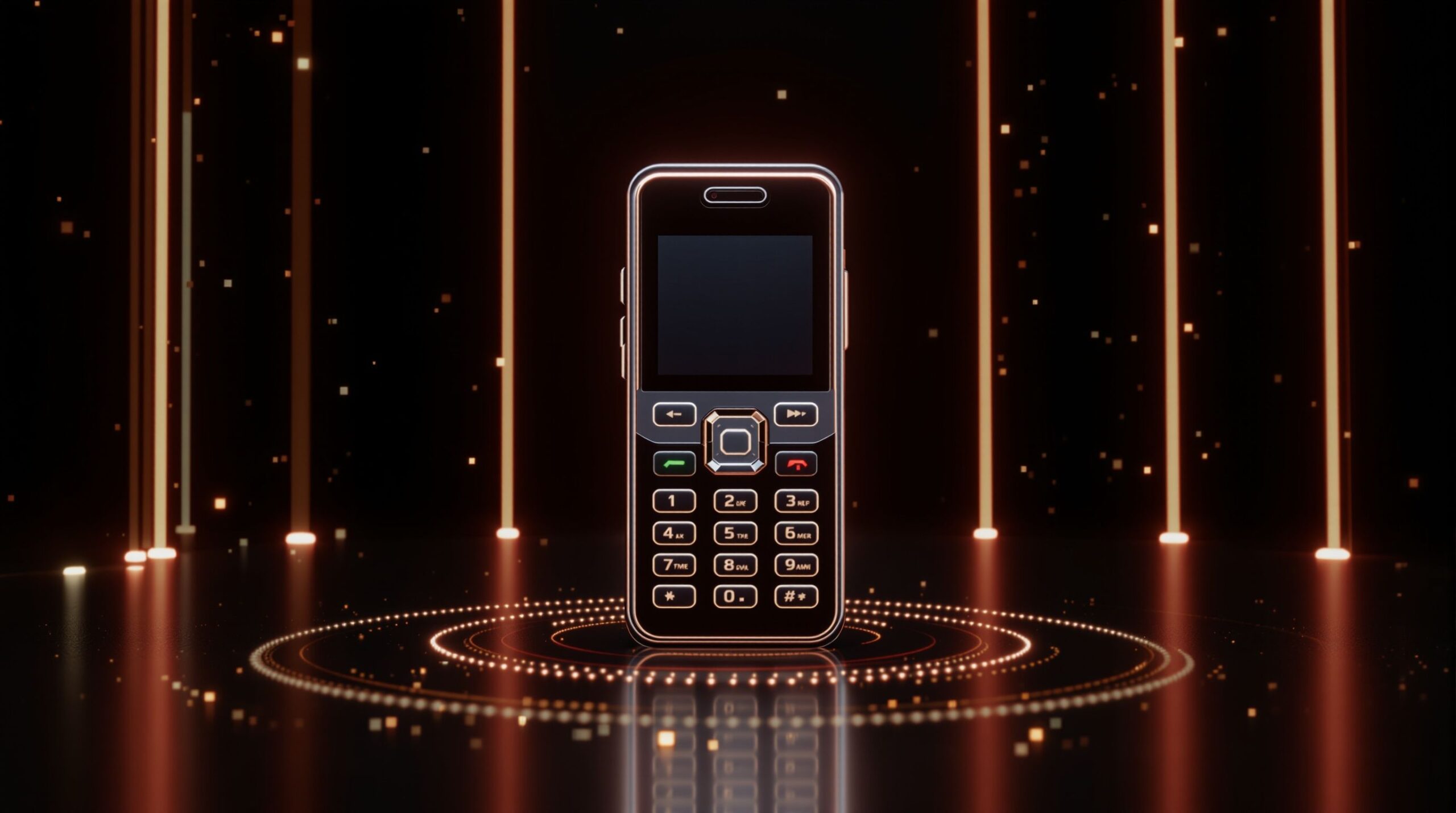
The genius of SMS lay in its simplicity. It didn’t require complex software or fancy hardware. A basic keypad and a tiny monochrome screen were enough to share quick bursts of information. Messages could slip through the network efficiently, using unused bandwidth to deliver communication without disrupting calls. It created a new form of human expression—one that was brief, immediate, and accessible to everyone. Even when later generations introduced richer messaging platforms, SMS held its ground as the universal fallback, the language every device could speak.
As texting culture spread, new behaviors emerged. Abbreviations formed. Emoticons evolved into emotional shorthand. Entire relationships blossomed in 160 characters at a time. SMS wasn’t just a feature—it became a cultural milestone, redefining the very nature of communication.
Security, Scalability, and the Foundation of Trust
Mobile communication couldn’t reach global adoption without trust, and 2G delivered that trust through built-in digital encryption. Unlike analog networks, where eavesdropping required only a radio scanner, 2G systems secured calls and texts with algorithms that shielded information from interception. This shift was monumental. For the first time, mobile networks offered a reasonable expectation of privacy.
Encryption built user confidence, but scalability built economic momentum. 2G networks could support many more subscribers per cell tower than analog systems. This meant carriers could expand service at lower cost, deliver better coverage, and bring mobile connectivity to rural regions that had long been underserved. The combination of security and capacity fueled adoption in developing nations where mobile technology quickly outpaced landline infrastructure. The idea that individuals across continents could share real-time communication was no longer aspirational—it was happening. Equally important, the newfound scalability encouraged manufacturers to innovate aggressively. Handsets shrank from bulky bricks to pocket-friendly designs. Battery life improved dramatically. The mobile phone transformed from a status symbol to a personal companion accessible to millions. Every small improvement stacked on top of 2G’s digital foundation, enabling a wave of creativity that would soon accelerate into the smartphone era.
The Cultural Shift Toward Mobility
The true measure of 2G’s impact wasn’t only technical—it was cultural. The world began recalibrating around the idea of constant connection. People stopped memorizing phone numbers and relied on their devices instead. Businesses adopted mobile communication as a competitive advantage. Parents bought phones for their children so they could stay in touch at any moment. The mobile phone became the universal equalizer, bridging gaps in distance, opportunity, and access. As devices became smaller, more affordable, and more capable, they started to reflect personal style. Mobile phones evolved into accessories, with interchangeable faceplates, custom ringtones, and distinctive silhouettes. The concept of personalization had arrived, long before modern operating systems introduced wallpapers, widgets, and apps. In many ways, 2G phones were the first mainstream devices that allowed people to showcase identity through technology.
This shift planted the seeds for the digital behaviors that modern society now takes for granted. Checking time, managing contacts, texting someone instead of calling, and carrying a device everywhere you go—these habits were born in the 2G era. It wasn’t just the technology that changed; it was the way humans related to the world around them.
The First Steps Toward Data
Although 2G is remembered primarily for digital calling and SMS, it quietly laid the groundwork for mobile data. Early services like WAP browsers, downloadable ringtones, and basic picture messages hinted at a future where phones could go beyond voice and text. Though primitive by today’s standards, these early data experiences were revolutionary. They proved that mobile networks could carry more than conversations—they could deliver information.
Manufacturers experimented with monochrome screens, then color. Users explored the novelty of receiving the day’s news, checking sports scores, or sending tiny photos from device to device. Carriers introduced data packages, and although speeds were slow, the appetite for mobile connectivity had begun. 2G didn’t yet unlock the full power of the internet, but it created the runway for 2.5G technologies like GPRS and EDGE. These would eventually serve as the bridge to true mobile broadband in the 3G era. Every incremental improvement layered on top of 2G’s digital infrastructure made the idea of a mobile-first world more credible. Developers started dreaming about richer applications. Businesses imagined new ways to engage consumers. And users discovered the convenience of pocket-sized connectivity long before the term smartphone entered the cultural vocabulary.
The Legacy That Powered a Revolution
When historians look back at the evolution of mobile technology, 2G may not appear as visually impressive as the smartphone eras that followed. But no transformation in wireless history was as foundational. Everything that came afterward—3G’s mobile internet, 4G’s streaming boom, and 5G’s connected world of devices—traces its lineage directly to the digital leap initiated by 2G. The legacy of 2G is everywhere. It lives in the global interoperability of GSM. It lives in the reliability principles that guided CDMA. It lives in the texting culture that reshaped human expression. It lives in the encryption that set expectations for modern privacy. It lives in the scalable, digital framework that allowed mobile networks to evolve fluidly for decades. Even as many regions sunset their 2G networks, the architecture, philosophy, and innovations that defined the standard continue guiding next-generation technologies. 2G was the moment when the world realized that mobile communication wasn’t a trend—it was the future. And once the world took that first digital step, the revolution never slowed down.